

How to Prevent Pipeline Blockages in Pumice Sand Powder Conveying with Pneumatic Conveying Systems?
Pumice sand powder, a lightweight and abrasive material, presents unique challenges when it comes to material handling and transportation. Traditional methods often struggle with issues such as pipeline blockages, which can lead to operational inefficiencies and increased maintenance costs. Pneumatic conveying systems offer a reliable solution for transporting pumice sand powder over long distances and in various industrial applications. However, to ensure optimal performance and prevent blockages, careful consideration of key design parameters is essential. This article explores effective strategies to prevent pipeline blockages in pumice sand powder conveying and highlights the critical design parameters that contribute to a successful pneumatic conveying system.

Understanding the Challenges of Pumice Sand Powder Conveying
Pumice sand powder is characterized by its low bulk density, high moisture content, and abrasive nature. These properties make it prone to agglomeration and caking, which can easily cause blockages in the conveying pipeline. Additionally, the fine particle size of pumice sand powder can lead to increased friction and pressure drops, further exacerbating the risk of blockages. Traditional mechanical conveying methods may not be suitable for such materials due to the risk of material degradation and system damage. Pneumatic conveying, by using air to transport the material, provides a more gentle and efficient method of handling pumice sand powder, reducing the likelihood of blockages and ensuring consistent material flow.
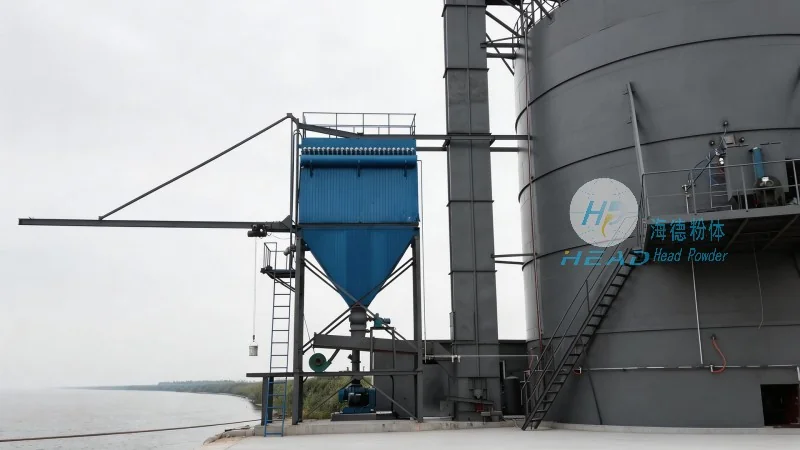
Key Design Parameters for Preventing Pipeline Blockages
Several key design parameters must be considered when designing a pneumatic conveying system for pumice sand powder to prevent pipeline blockages. The first parameter is the air velocity, which should be maintained at an appropriate level to ensure the material is fully suspended and transported without settling. The air velocity is typically determined based on the particle size, density, and flow rate of the material. A higher air velocity may be required for finer particles to prevent settling and blockages. The second parameter is the pipeline diameter, which should be sized appropriately to balance the material flow rate and air velocity. A larger diameter may be needed for higher flow rates to maintain sufficient air velocity and prevent pressure drops that could lead to blockages. The third parameter is the system pressure, which should be controlled to ensure the material is conveyed efficiently without excessive pressure that could cause material degradation or system failure. Proper pressure control helps maintain consistent material flow and prevents the formation of blockages. The fourth parameter is the use of appropriate fittings and valves, such as bends, elbows, and check valves, which can help prevent material accumulation and blockages. These components should be designed to minimize friction and pressure losses, ensuring smooth material flow. Additionally, the inclusion of cleaning mechanisms, such as air blowers or mechanical scrapers, can help remove any accumulated material and prevent blockages from recurring. The selection of these components should be based on the specific characteristics of the pumice sand powder and the operational requirements of the system.
Role of HeadPowder in Designing Effective Pneumatic Conveying Systems
Shandong HeadPowder Engineering Co., Ltd., a leading provider of pneumatic conveying solutions, specializes in designing and manufacturing systems tailored to the unique needs of pumice sand powder handling. With years of experience in the industry, HeadPowder understands the challenges associated with conveying abrasive and lightweight materials and has developed innovative solutions to prevent pipeline blockages. The company's engineers work closely with clients to assess their specific requirements, including material properties, flow rates, and operational conditions, to design a customized pneumatic conveying system. HeadPowder utilizes advanced design software and engineering expertise to optimize the system's performance, ensuring that the air velocity, pipeline diameter, and system pressure are all optimized to prevent blockages. The company also provides comprehensive support, including installation, commissioning, and maintenance services, to ensure the system operates efficiently and reliably over the long term. By leveraging their expertise and commitment to quality, HeadPowder helps clients achieve efficient and cost-effective pumice sand powder transportation, minimizing the risk of blockages and maximizing operational productivity.

Conclusion: Ensuring Reliable Pumice Sand Powder Conveying
Preventing pipeline blockages in pumice sand powder conveying is crucial for maintaining operational efficiency and reducing maintenance costs. By carefully considering key design parameters such as air velocity, pipeline diameter, system pressure, and the use of appropriate fittings and cleaning mechanisms, pneumatic conveying systems can effectively transport pumice sand powder without blockages. Companies like Shandong HeadPowder Engineering Co., Ltd. play a vital role in designing and implementing these systems, providing tailored solutions that meet the specific needs of their clients. With the right design and maintenance, pneumatic conveying systems offer a reliable and efficient method for transporting pumice sand powder, ensuring consistent material flow and minimizing the risk of blockages. By prioritizing these design parameters and working with experienced providers like HeadPowder, industrial facilities can achieve optimal performance and maximize the productivity of their pumice sand powder conveying operations.