

Preventing Pipeline Blockages in Pneumatic Conveying Systems for Soybean Grain Transport: Key Design
When it comes to transporting soybeans and other grains, pneumatic conveying systems offer an efficient and reliable solution. However, a common challenge in such operations is the risk of pipeline blockages, which can halt production and lead to costly downtime. Understanding how to prevent these blockages and the key design parameters that influence system performance is crucial for optimizing grain handling processes. This article explores effective strategies and essential design considerations for maintaining smooth operation in pneumatic conveying systems used for soybean transport.

Understanding Pipeline Blockages in Pneumatic Conveying
Pipeline blockages occur when the material being conveyed accumulates and forms a solid plug within the conveying line. This can happen due to various factors, including the physical properties of the soybeans, the system's operating pressure, and the design of the conveying components. For soybeans, which are often dry and have a certain size and shape, the risk of agglomeration or bridging can increase if the system is not properly configured. Identifying the root causes of blockages is the first step toward implementing effective prevention measures.
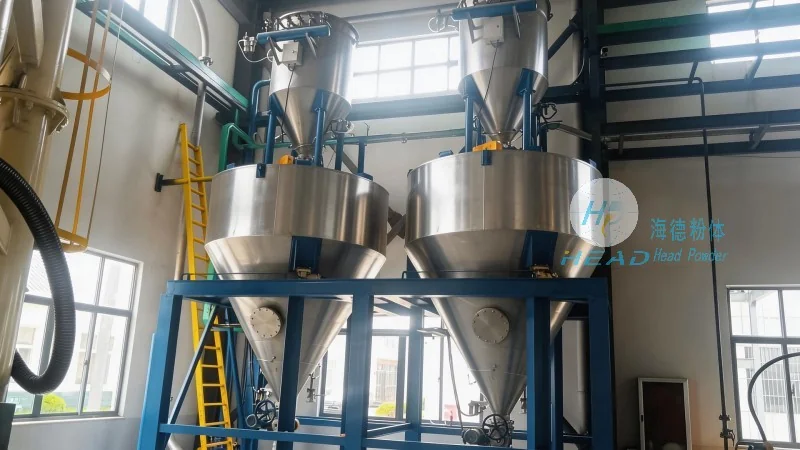
Key Design Parameters to Prevent Blockages
Several critical design parameters play a vital role in minimizing the risk of pipeline blockages in pneumatic conveying systems for soybean transport. These parameters are carefully selected and optimized to ensure the system operates within safe and efficient limits. The primary design parameters include:

- System Pressure and Airflow Rate: The pressure and volume of air used to move the soybeans are fundamental to system performance. Higher pressure can help maintain material flow, but excessive pressure may lead to increased wear on components and higher energy consumption. The airflow rate must be sufficient to keep the material in suspension and prevent it from settling.
- Pipeline Diameter and Length: The size and length of the conveying pipeline directly impact the system's ability to handle soybeans. Larger diameter pipelines reduce friction losses and the risk of blockages, as they allow more material to be conveyed with less pressure drop. However, longer pipelines may require additional pressure boosters or larger diameter sections to maintain adequate flow.
- Material Handling and Conditioning: Pre-treatment of soybeans, such as drying or adding anti-caking agents, can improve their flow characteristics and reduce the likelihood of agglomeration. Conditioning the material before it enters the conveying system can also help maintain consistent flow rates and prevent blockages caused by moisture content variations.
- Component Design and Installation: The design of components like inlets, bends, and outlets is crucial. Properly sized and positioned inlets ensure that soybeans enter the pipeline smoothly without creating turbulence or dead zones where material can accumulate. Bends and elbows should have smooth transitions to minimize friction and the risk of material buildup. Additionally, the use of inline mixers or agitators can help maintain material suspension and prevent bridging.
The Role of HeadPowder in Optimizing Pneumatic Conveying Systems
Shandong HeadPowder Engineering Co., Ltd., a leading provider of pneumatic conveying solutions, specializes in designing and manufacturing systems tailored to the unique requirements of soybean grain transport. With years of experience in the industry, HeadPowder understands the importance of preventing pipeline blockages and has developed advanced systems that incorporate the key design parameters discussed above. The company's expertise lies in customizing solutions that balance efficiency, reliability, and cost-effectiveness, ensuring that soybean handling operations run smoothly and without interruptions.

Conclusion: Ensuring Smooth Soybean Transport with Proper Design
Preventing pipeline blockages in pneumatic conveying systems for soybean grain transport is a multifaceted challenge that requires careful consideration of system design and operation. By focusing on key parameters such as pressure, airflow, pipeline dimensions, and material conditioning, operators can significantly reduce the risk of blockages and maintain consistent production. Companies like Shandong HeadPowder Engineering Co., Ltd. play a vital role in providing expert solutions that address these challenges, helping soybean producers and processors achieve optimal performance and minimize downtime. With the right design and maintenance, pneumatic conveying systems can effectively handle soybeans and other grains, ensuring efficient and reliable transport from source to destination.