

What Are the Conveying Methods for Polycarbonate?
Polycarbonate, a versatile and durable engineering plastic, is widely used in various industries due to its excellent impact resistance, transparency, and thermal stability. When it comes to transporting polycarbonate materials, selecting the right conveying method is crucial for ensuring efficiency, safety, and product integrity. This article explores the common types of polycarbonate conveying methods, highlighting their applications and key considerations.

1. Screw Conveyors for Polycarbonate Handling
Screw conveyors, also known as auger conveyors, are among the most common equipment used for moving polycarbonate materials. These systems consist of a rotating screw (auger) inside a U-shaped or cylindrical housing. The screw rotates to push the material forward, making it ideal for vertical or inclined transport. For polycarbonate, which can be lightweight and prone to dust or static, screw conveyors offer a controlled and gentle handling solution. They are particularly effective for transporting granules, pellets, or powders of polycarbonate, ensuring minimal product degradation. The smooth, non-stick surfaces of the screw and housing reduce friction, preventing scratches or damage to the material's surface. Additionally, screw conveyors can be equipped with variable speed drives to adjust the flow rate, allowing for precise control over the conveying process. This makes them suitable for both small-scale and large-scale production lines in industries such as automotive, electronics, and consumer goods.
2. Belt Conveyors for Bulk Polycarbonate Transport
Belt conveyors are another popular choice for transporting polycarbonate, especially in applications requiring the movement of larger quantities or bulk materials. These systems use a continuous belt, typically made of rubber or synthetic materials, that moves over rollers or pulleys. The belt is supported by a series of rollers, with the drive pulley at one end and a tension pulley at the other. For polycarbonate, belt conveyors are effective for transporting sheets, rods, or larger components. The design allows for smooth and continuous movement, reducing the risk of material breakage or deformation. The belt can be customized with cleats or side walls to prevent material from sliding off, which is beneficial for handling irregularly shaped polycarbonate parts. Belt conveyors are often used in manufacturing facilities for transferring finished products or raw materials between different workstations. Their ability to handle high volumes and maintain a consistent speed makes them a reliable option for continuous production processes. Additionally, the open design of belt conveyors facilitates easy inspection and maintenance, ensuring long-term operational efficiency.

3. Pneumatic Conveying Systems for Polycarbonate Transfer
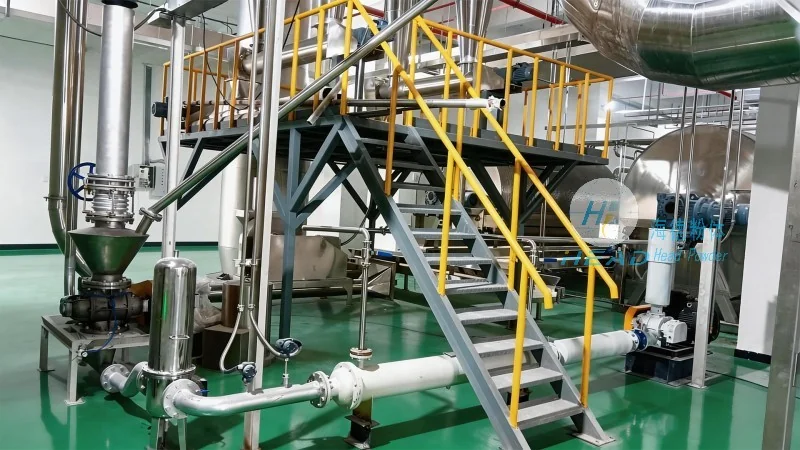
Pneumatic conveying systems use air or other gases to transport polycarbonate materials through a network of pipes. These systems are particularly useful for handling fine powders or granules, as they can move materials over long distances without the need for multiple transfer points. There are two main types of pneumatic conveying: pressure and vacuum systems. Pressure systems force air through the pipe, pushing the material forward, while vacuum systems create a negative pressure to draw the material into the pipe. For polycarbonate, which can be sensitive to moisture or contamination, pneumatic conveying offers a closed system that minimizes exposure to the environment. This helps maintain the material's quality and prevents dust or particles from escaping into the air. Pneumatic systems are also flexible, as they can be easily reconfigured to accommodate changes in production needs or layout. They are commonly used in industries such as pharmaceuticals, food processing, and plastics manufacturing, where the transport of fine powders is required. However, it's important to consider the material's density and flow characteristics, as some polycarbonate powders may require additional assistance, such as vibrators or airlocks, to ensure smooth transport.

4. Vibrating Conveyors for Polycarbonate Material Handling
Vibrating conveyors utilize vibration to move polycarbonate materials along a trough or conveyor bed. These systems consist of a conveyor trough that is mounted on springs and driven by an electric motor with a variable frequency drive. The vibration causes the material to move forward, with the speed and amplitude of the vibration adjustable to control the flow rate. Vibrating conveyors are particularly effective for handling polycarbonate powders or granules that tend to stick together or form clumps. The vibration breaks up these agglomerates, ensuring a consistent flow. This makes them ideal for applications where the material needs to be transported over moderate distances while maintaining a uniform feed rate. Vibrating conveyors are also suitable for transporting materials that are sensitive to impact or friction, as the gentle vibration minimizes damage. They are commonly used in recycling facilities or processing plants where polycarbonate waste or raw materials are handled. The design allows for easy cleaning and maintenance, as the trough can be easily accessed and cleaned to prevent material buildup. Additionally, the low power consumption of vibrating conveyors makes them an energy-efficient option for long-term operation.
5. Hydraulic Conveyors for Heavy Polycarbonate Components
Hydraulic conveyors use hydraulic power to move heavy polycarbonate components, such as sheets or large parts, from one location to another. These systems consist of a hydraulic cylinder or piston that applies force to a conveyor mechanism, such as a roller or belt system. The hydraulic power source provides the necessary force to lift or move the heavy material, making it suitable for vertical or inclined transport. For polycarbonate, which can be lightweight but may require handling of larger, heavier parts, hydraulic conveyors offer a robust solution. They are commonly used in manufacturing plants for transferring finished products or large components between different stages of production. The hydraulic system allows for precise control over the movement, ensuring that the material is handled safely and efficiently. Hydraulic conveyors are also capable of handling materials with irregular shapes or dimensions, as the system can be adjusted to accommodate different sizes. However, it's important to consider the maintenance requirements of hydraulic systems, as they require regular checks of fluid levels and component wear. Despite this, hydraulic conveyors provide a reliable and efficient method for transporting heavy polycarbonate components, especially in applications where other conveying methods may not be suitable.
6. Choosing the Right Conveying Method for Polycarbonate
When selecting a conveying method for polycarbonate, several factors need to be considered to ensure optimal performance and product quality. The first consideration is the form of the material—whether it is granules, powders, sheets, or large components. Granules and powders are typically handled with screw or pneumatic conveyors, while sheets and large parts may require belt or hydraulic systems. The distance and layout of the production facility also play a role, as some systems are better suited for long-distance transport, while others are ideal for short, localized movements. The material's properties, such as its density, flowability, and sensitivity to moisture or contamination, should also be taken into account. For example, polycarbonate powders may require a closed system like pneumatic conveying to prevent dust exposure, while sheets may benefit from the smooth surface of a belt conveyor. Additionally, the production volume and speed requirements will influence the choice of conveyor system. High-volume production may necessitate larger, more powerful systems, while low-volume applications may use smaller, more compact options. Finally, the cost and maintenance requirements of each system should be evaluated to ensure it aligns with the company's budget and operational needs. By carefully considering these factors, manufacturers can select the most appropriate conveying method for their polycarbonate handling needs, ensuring efficiency, safety, and product integrity throughout the process.