

Anhydrous Aluminum Chloride Pneumatic Conveying System Analysis
HeadPowder, a leading engineering company based in Shandong, China, specializes in the design, manufacturing, and implementation of advanced pneumatic conveying systems for industrial applications. This article provides a comprehensive analysis of the anhydrous aluminum chloride pneumatic conveying system, highlighting its key components, operational principles, and practical applications in various industrial sectors.
System Overview and Core Components
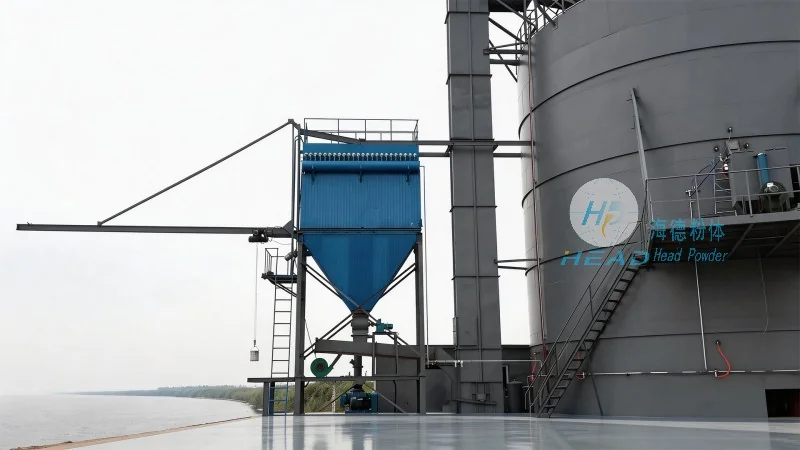
The anhydrous aluminum chloride pneumatic conveying system is engineered to efficiently transport dry, free-flowing powders like anhydrous aluminum chloride through a network of pipes using compressed air. The system typically comprises several critical components that work in tandem to ensure reliable and safe material handling. These include a hopper or silo for material storage, a rotary airlock valve to control the flow of material from the storage vessel into the conveying line, a venturi or pressure drop device to create the necessary airflow and pressure differential, and a receiver or discharge hopper at the destination point to collect the conveyed material. Additionally, the system may incorporate a dust collection system, pressure regulators, and monitoring equipment to maintain optimal operating conditions and ensure compliance with safety and environmental standards.
Operational Principles and Flow Dynamics
The pneumatic conveying process for anhydrous aluminum chloride operates on the principle of creating a high-velocity air stream within the conveying pipe, which entrains the powder particles and transports them from the source to the destination. The system can be categorized into two main types: dilute-phase and dense-phase conveying. Dilute-phase systems use lower air velocities and higher air-to-material ratios, typically suitable for short to medium distances and low to medium material loads. Dense-phase systems, on the other hand, employ higher air velocities and lower air-to-material ratios, which are ideal for longer distances, higher material loads, and more sensitive materials that require gentler handling to prevent degradation or agglomeration. The selection of the appropriate conveying type depends on factors such as the material's physical properties, the required conveying distance, and the desired system efficiency and reliability.

Key Advantages and Benefits
Implementing an anhydrous aluminum chloride pneumatic conveying system offers numerous advantages over traditional mechanical conveying methods. One of the primary benefits is the ability to handle materials that are difficult to transport using conventional equipment, such as powders with high moisture content or those prone to caking. The system's enclosed design minimizes dust emissions, enhancing workplace safety and reducing environmental impact. Additionally, pneumatic conveying systems can be easily integrated with other industrial processes, such as mixing, drying, or packaging, to create a seamless material handling workflow. The system's flexibility allows for easy reconfiguration or expansion as production needs change, providing long-term cost savings and operational efficiency. Furthermore, the use of compressed air as the conveying medium eliminates the need for mechanical components like conveyor belts or screw conveyors, reducing maintenance requirements and extending the system's service life.

Technical Specifications and Customization Options
HeadPowder's anhydrous aluminum chloride pneumatic conveying systems are designed to meet the specific requirements of each industrial application. The system's technical specifications can be tailored to accommodate various material characteristics, including particle size distribution, bulk density, and flowability. The conveying line diameter and length are optimized based on the material's properties and the required conveying capacity, ensuring efficient and reliable operation. The system may also include features such as temperature control, moisture removal, or material conditioning to further enhance performance and protect the material from degradation. For example, the system can be equipped with a pre-drying or dehumidification unit to maintain the anhydrous nature of the aluminum chloride, preventing caking or clumping during transport. Additionally, the system's control system can be integrated with a programmable logic controller (PLC) to provide real-time monitoring and automated control of the conveying process, ensuring consistent performance and minimizing downtime.

Application Examples and Industry Use Cases
The anhydrous aluminum chloride pneumatic conveying system is widely used in various industrial sectors where the efficient and safe handling of aluminum chloride is critical. In the chemical industry, the system is commonly employed in the production of aluminum chloride-based products, such as aluminum chloride hexahydrate or aluminum chloride solutions, where the material needs to be transported from storage silos to processing units or packaging lines. The system's ability to handle large volumes of material at high speeds makes it ideal for meeting the production demands of chemical manufacturers. In the metallurgical industry, the system is used in the production of aluminum and its alloys, where anhydrous aluminum chloride is used as a flux or catalyst in various processes. The system's gentle handling and enclosed design prevent contamination and ensure the material's purity, which is essential for high-quality metal production. Additionally, the system is used in the pharmaceutical and food processing industries, where the safe and hygienic handling of materials is paramount. The system's ability to minimize dust emissions and maintain a clean environment makes it suitable for applications where product quality and safety are critical.
Installation, Maintenance, and Safety Considerations
Proper installation and maintenance of the anhydrous aluminum chloride pneumatic conveying system are crucial for ensuring optimal performance and longevity. The system should be installed by qualified engineers who are experienced in pneumatic conveying systems and familiar with the material's properties. The installation process involves careful alignment of the conveying line, proper sealing of all connections to prevent air leaks, and ensuring that the system is properly grounded to prevent electrical hazards. Regular maintenance of the system is essential to prevent downtime and ensure reliable operation. This includes regular inspection of the rotary airlock valves, venturi devices, and pressure regulators to ensure they are functioning correctly. The system's filters and dust collection equipment should be cleaned or replaced regularly to maintain efficient operation and prevent clogging. Additionally, the system should be equipped with safety features such as pressure relief valves, emergency shut-off valves, and interlocks to prevent accidents and ensure the safety of personnel. HeadPowder provides comprehensive maintenance and support services to ensure that the system operates at peak efficiency and meets all safety and regulatory requirements.