

Analysis of Coke Pneumatic Conveying Systems
Coke, a critical raw material in the steel industry, requires efficient and reliable transportation methods to ensure smooth production processes. Pneumatic conveying systems have emerged as a preferred solution for handling coke due to their ability to transport bulk materials over long distances with minimal maintenance and operational costs. This article provides an in-depth analysis of coke pneumatic conveying systems, exploring their design, functionality, and applications in industrial settings.
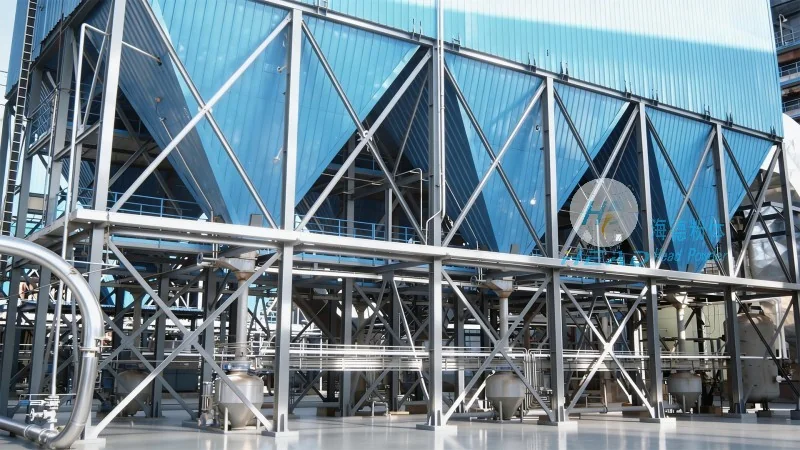
Company Profile: Shandong HeadPowder Engineering Co., Ltd.
HeadPowder, a leading engineering firm specializing in bulk material handling solutions, has extensive experience in designing and implementing coke pneumatic conveying systems. With a strong commitment to innovation and customer satisfaction, the company has become a trusted partner for steel plants and industrial facilities worldwide. HeadPowder's expertise lies in tailoring systems to meet specific operational requirements, ensuring optimal performance and durability.
Key Components of Coke Pneumatic Conveying Systems
A coke pneumatic conveying system typically consists of several key components that work in harmony to transport coke from the source to the destination. The primary components include a hopper or feeder for material storage, a conveyor line (either positive or negative pressure), a dust collector to manage airborne particles, and a control system for monitoring and regulating the process. Each component plays a crucial role in maintaining the efficiency and safety of the system.

Design Considerations for Efficient Coke Transport
The design of a coke pneumatic conveying system must consider several factors to ensure optimal performance. Material properties, such as coke's density, moisture content, and particle size distribution, are critical in determining the appropriate conveying method (e.g., dilute phase or dense phase). The system's layout, including the length of the conveyor line and the number of bends, also impacts the overall efficiency. Additionally, environmental factors, such as the need for dust control and compliance with safety regulations, are essential considerations during the design phase.
Advantages of Pneumatic Conveying for Coke Handling
Compared to traditional mechanical conveying systems, coke pneumatic conveying offers several advantages. One of the most significant benefits is the ability to transport coke over long distances without the need for intermediate storage or transfer points. This reduces the risk of material degradation and improves overall production efficiency. Pneumatic systems also provide better control over the material flow, allowing for precise dosing and batching. Furthermore, these systems are less prone to blockages and can handle a wide range of coke qualities, making them versatile for various industrial applications.

Applications in Steel Manufacturing and Beyond
Coke pneumatic conveying systems are widely used in the steel industry, particularly in blast furnaces and coke ovens. These systems ensure a continuous and steady supply of coke to the production line, which is vital for maintaining consistent output. Beyond steel manufacturing, coke is also used in other industries, such as foundries and chemical production, where pneumatic conveying systems can be adapted to handle the specific requirements of these applications. HeadPowder's systems have been successfully implemented in various industrial settings, demonstrating their adaptability and reliability.
Maintenance and Operational Tips for Longevity
To ensure the longevity and efficiency of coke pneumatic conveying systems, regular maintenance is essential. This includes cleaning the conveyor line, inspecting the dust collector and filters, and checking the performance of the control system. Proper maintenance can prevent issues such as blockages, reduced conveying capacity, and increased energy consumption. Additionally, operators should be trained to monitor the system's performance and address any issues promptly. By following these guidelines, industrial facilities can maximize the lifespan of their coke pneumatic conveying systems and minimize downtime.