

Analysis of Malt Pneumatic Conveying Systems
Efficient and reliable material handling is a critical aspect of modern industrial operations, particularly in the food and beverage sector where precision and hygiene are paramount. Among the various technologies available for transporting bulk materials, pneumatic conveying systems have emerged as a preferred solution for applications involving malt, a key ingredient in brewing and other food products. This article provides an in-depth analysis of malt pneumatic conveying systems, exploring their design, functionality, and the advantages they offer to manufacturers.

Introduction to Malt Pneumatic Conveying Systems
Malt pneumatic conveying systems utilize air or other gases to transport malt from one location to another within a processing facility. Unlike traditional mechanical conveyors, which rely on belts, chains, or screws, pneumatic systems offer a more flexible and hygienic method for moving bulk materials. The system typically consists of a hopper, a conveyor line, and a receiver, all connected by a network of pipes. The process begins with the malt being fed into the hopper, where it is then drawn into the conveyor line by a vacuum or pressure created by a fan or blower. As the malt travels through the pipe, it is propelled by the moving air, ensuring a smooth and continuous flow.
Key Components of a Malt Pneumatic Conveying System
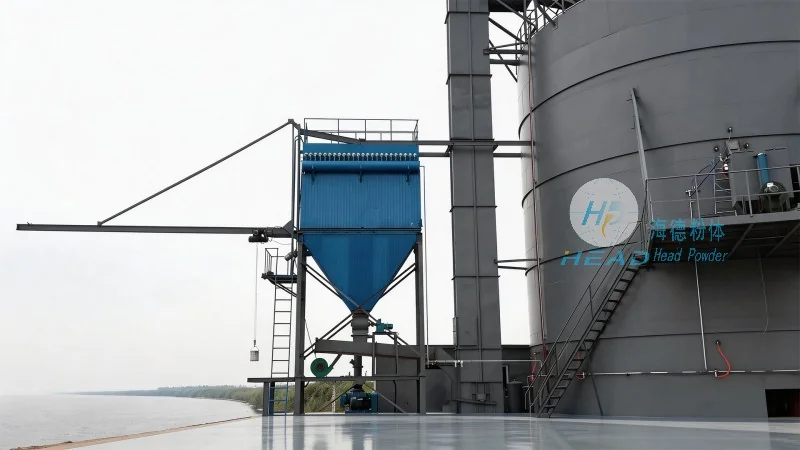
Several critical components work together to ensure the efficient operation of a malt pneumatic conveying system. The hopper serves as the storage and feeding unit, where malt is collected before being transferred. It is designed with a sloped bottom to facilitate the flow of malt into the conveyor line. The conveyor line itself is made of materials such as stainless steel or food-grade plastic, which are resistant to corrosion and easy to clean, maintaining the hygiene standards required in food processing. The fan or blower is the heart of the system, generating the necessary air pressure or vacuum to move the malt. It is typically equipped with a filter to remove any dust or particles from the air, ensuring that the malt remains clean and free from contaminants. The receiver is the final component, where the malt is deposited after traveling through the conveyor line. It is usually a large container or silo that can hold the transported malt until it is further processed.
Advantages of Malt Pneumatic Conveying Systems
There are several advantages that make malt pneumatic conveying systems an attractive choice for manufacturers. One of the primary benefits is the hygienic nature of the system. Unlike mechanical conveyors, which can trap dust and debris, pneumatic systems keep the malt enclosed within the pipes, reducing the risk of contamination. This is particularly important in the food industry, where product safety is a top priority. Additionally, pneumatic systems offer greater flexibility in terms of layout and design. They can be easily adapted to fit the specific requirements of a facility, including vertical or horizontal transport, and can be integrated with other processing equipment. Another advantage is the ability to handle a wide range of malt types and sizes. The system can accommodate different grain sizes and moisture levels, making it suitable for various applications, from small-scale breweries to large industrial facilities. Furthermore, pneumatic conveying systems are generally more energy-efficient compared to traditional mechanical conveyors, as they require less power to operate and can be optimized for minimal energy consumption.
Applications of Malt Pneumatic Conveying Systems
Malt pneumatic conveying systems are widely used in various industries, with the most common application being in the brewing industry. In breweries, these systems are used to transport malt from storage silos to the mashing tanks, where it is mixed with hot water to create wort. The system ensures that the malt is delivered in a consistent and controlled manner, which is crucial for achieving the desired flavor and texture in the final product. Apart from brewing, malt pneumatic conveying systems are also used in the production of malt extract, where the malt is conveyed from the grinding stage to the extraction tanks. In addition, they are employed in other food processing applications, such as the production of malt-based snacks and beverages, where the malt needs to be transported from storage to the production line.
Customization and Scalability
Shandong HeadPowder Engineering Co., Ltd., a leading manufacturer of pneumatic conveying systems, offers customized solutions tailored to the specific needs of each client. The company specializes in designing and manufacturing malt pneumatic conveying systems that meet the unique requirements of different industries. With years of experience in the field, HeadPowder has developed a range of systems that are both efficient and reliable. The company's products are designed to be scalable, allowing them to be adjusted to accommodate changes in production volume or facility layout. This flexibility ensures that clients can invest in a system that grows with their business, providing long-term value and return on investment.

Maintenance and Durability
Maintaining the performance and longevity of a malt pneumatic conveying system is essential for ensuring consistent operation. Regular maintenance is required to keep the system in optimal condition. This includes cleaning the hopper and conveyor line to prevent the buildup of dust and debris, checking the fan or blower for proper operation, and inspecting the pipes for any signs of wear or damage. The components used in the system, such as stainless steel and food-grade materials, are designed to be durable and resistant to corrosion, ensuring that the system can withstand the harsh conditions of industrial use. HeadPowder provides comprehensive maintenance services to help clients keep their systems running smoothly, including on-site inspections, component replacement, and technical support.
Conclusion
In conclusion, malt pneumatic conveying systems are a highly effective and efficient solution for transporting malt in industrial applications. They offer numerous advantages, including hygiene, flexibility, and energy efficiency, making them a preferred choice for manufacturers in the food and beverage industry. With the expertise and experience of companies like Shandong HeadPowder Engineering Co., Ltd., these systems can be customized to meet the specific needs of each client, ensuring optimal performance and reliability. As the demand for high-quality malt products continues to grow, the importance of efficient material handling systems will only increase, making malt pneumatic conveying systems an essential component of modern industrial operations.