

Classification and Composition of Aluminum Hydride Powder Pneumatic Conveying Systems
HeadPowder, a leading provider in the field, specializes in the design, manufacturing, and installation of advanced pneumatic conveying systems tailored for aluminum hydride powder. This article provides a detailed overview of the classification and essential components of such systems, highlighting the technical aspects and operational considerations crucial for efficient material handling.

Classification of Aluminum Hydride Powder Pneumatic Conveying Systems
Aluminum hydride powder pneumatic conveying systems can be classified based on several key factors, including the conveying principle, system pressure, and application requirements. The primary classifications include:

- Positive Pressure Systems: These systems utilize compressed air or other gases to create a positive pressure within the conveying line, effectively pushing the powder from the source to the destination. They are particularly suited for long-distance and high-capacity applications, offering reliable performance in industrial settings.
- Negative Pressure (Vacuum) Systems: In these systems, a vacuum is generated at the receiving end, drawing the aluminum hydride powder from the source. This method is ideal for applications requiring strict dust control and material transfer in enclosed environments, minimizing the risk of airborne contamination.
- Combined Systems: Some advanced systems integrate both positive and negative pressure principles to optimize performance. This hybrid approach allows for flexibility in handling varying material characteristics and operational conditions, making it suitable for complex industrial processes.
Key Components of Aluminum Hydride Powder Pneumatic Conveying Systems
The core components of an aluminum hydride powder pneumatic conveying system include:
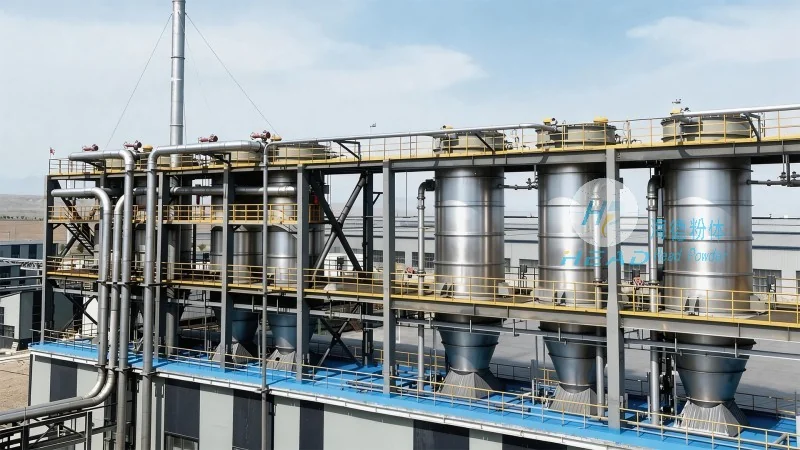
- Powder Hopper and Feeder: The hopper serves as the storage vessel for aluminum hydride powder, while the feeder (such as a rotary valve or screw feeder) regulates the flow rate. This component ensures consistent material supply to the conveying line, preventing blockages and maintaining system efficiency.
- Conveying Line and Tubing: The pipeline, typically constructed from stainless steel or other corrosion-resistant materials, transports the powder. The design of the tubing, including bends and fittings, is critical to minimize pressure drop and prevent material buildup. Proper selection of tubing diameter and material is essential to accommodate the specific properties of aluminum hydride powder.
- Air Compressor or Vacuum Pump: This component generates the necessary pressure or vacuum to move the powder. The choice of equipment depends on the system classification and the required flow rate. High-efficiency compressors or vacuum pumps are preferred to ensure stable operation and energy efficiency.
- Filter and Dust Collection System: As aluminum hydride is a fine powder, a high-efficiency filter is essential to capture particles and prevent dust emissions. This system ensures compliance with environmental regulations and maintains workplace safety standards, protecting both personnel and equipment from dust-related hazards.
- Control System and Monitoring Equipment: Modern systems incorporate advanced control panels and sensors to monitor pressure, flow rate, and material levels. Real-time data collection enables operators to make informed decisions, optimize performance, and detect potential issues before they escalate, enhancing overall operational efficiency.
Operational Considerations for Aluminum Hydride Powder Pneumatic Conveying
Efficient operation of aluminum hydride powder pneumatic conveying systems requires careful consideration of several factors, including material properties, system design, and maintenance protocols. The particle size, density, and moisture content of aluminum hydride powder significantly impact system performance. For instance, finer particles may require higher air velocities to ensure reliable transport, while larger particles may necessitate adjustments to the feeder and tubing design.
Maintenance is another critical aspect. Regular cleaning of the filter and conveyor line is essential to prevent clogging and maintain system efficiency. Additionally, monitoring for wear and tear on components such as the feeder and tubing can help identify potential issues early, reducing downtime and extending the lifespan of the system.

Conclusion
Aluminum hydride powder pneumatic conveying systems are sophisticated solutions for handling aluminum hydride powder in industrial applications. By understanding the classification and key components of these systems, as well as the operational considerations involved, industries can select and implement effective material handling solutions. HeadPowder, with its expertise in the field, provides comprehensive solutions tailored to meet the specific needs of clients, ensuring reliable and efficient operation of aluminum hydride powder conveying systems.