

Pneumatic Conveying of Aluminum Slag: How to Efficiently Transport Powder and Granular Materials wit
Efficient material handling is a critical challenge in many industrial processes, especially when dealing with bulk materials like aluminum slag. Traditional methods such as belt conveyors or bucket elevators often face limitations in terms of cost, maintenance, and the ability to handle fine or abrasive powders. This is where pneumatic conveying systems offer a superior solution. By utilizing air flow to transport powder and granular materials, these systems provide a flexible, low-maintenance, and cost-effective approach to material transport.
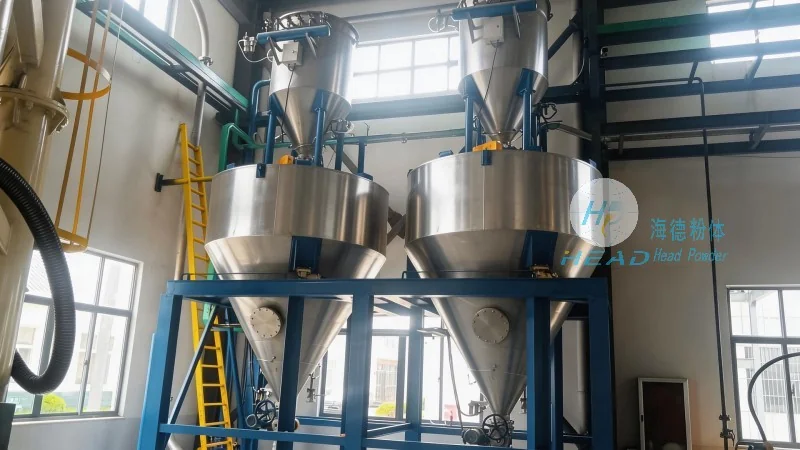
Pneumatic Conveying: The Core Technology for Aluminum Slag Handling
Pneumatic conveying, also known as air conveying, is a method that uses pressurized or suction air to move dry bulk materials through a pipeline. The technology is particularly well-suited for aluminum slag due to its characteristics—often fine in texture, abrasive, and potentially corrosive. The system typically consists of a hopper for material storage, a conveyor line (pipeline), and a control system to regulate air flow and material movement. There are two main types of pneumatic conveying: pressure and vacuum systems. Pressure systems use positive pressure to push material through the pipeline, while vacuum systems use negative pressure to pull material. For aluminum slag, a combination of these or a specialized pressure system is often recommended to ensure efficient and safe transport.
HeadPowder's Expertise in Pneumatic Conveying Solutions
Shandong HeadPowder Engineering Co., Ltd., a leading provider of material handling solutions, specializes in designing and manufacturing pneumatic conveying systems tailored to the unique needs of aluminum slag processing. With years of experience in the industry, HeadPowder has developed a deep understanding of the challenges associated with handling aluminum slag, including its abrasive nature and the need for efficient, low-downtime systems. The company's approach is centered on providing customized solutions that address specific operational requirements, such as material flow rates, pipeline length, and environmental considerations. HeadPowder's team of engineers works closely with clients to assess their material handling needs and design systems that maximize efficiency while minimizing maintenance and operational costs.

Key Advantages of Pneumatic Conveying for Aluminum Slag
Implementing a pneumatic conveying system for aluminum slag offers several key advantages. First, it provides a closed system, which helps to contain dust and prevent environmental contamination. This is crucial for aluminum slag, which can be fine and easily airborne. Second, the system is highly flexible, allowing for changes in material flow rates and pipeline layout without major modifications. Third, pneumatic conveying reduces the need for manual handling, improving workplace safety and reducing labor costs. Additionally, the system is relatively low-maintenance compared to traditional conveyor systems, as there are fewer moving parts and less wear from abrasive materials. Finally, the technology is energy-efficient, with the ability to optimize air pressure and flow to minimize energy consumption while maintaining high transport efficiency.
Application Scenarios in Aluminum Slag Processing
Pneumatic conveying systems are widely used in various stages of aluminum slag processing. For example, in the initial stages of slag handling, the system can transport raw aluminum slag from storage silos to processing equipment such as crushers or classifiers. In the secondary processing stages, the system can move fine slag particles to storage tanks or for further treatment. Additionally, pneumatic conveying is used in the recycling of aluminum, where the slag is processed to recover valuable aluminum metal. The system's ability to handle fine particles and abrasive materials makes it ideal for these applications, ensuring consistent and reliable material transport throughout the processing cycle.

Customization and Integration with Existing Systems
HeadPowder understands that each aluminum slag processing facility has unique requirements. Therefore, the company offers customized pneumatic conveying solutions that can be integrated with existing equipment and infrastructure. This includes designing systems that fit within the available space, using compatible materials to prevent corrosion, and ensuring that the system operates in harmony with other processing equipment. HeadPowder's engineers work with clients to create a comprehensive material handling plan that includes the pneumatic conveying system, as well as any necessary auxiliary equipment such as hoppers, filters, and control panels. The goal is to create a seamless and efficient material flow from raw material to final product, minimizing bottlenecks and maximizing productivity.
Conclusion: Enhancing Efficiency with Pneumatic Conveying
For industrial facilities dealing with aluminum slag, pneumatic conveying offers a reliable and efficient solution to material transport challenges. By leveraging the power of air flow, these systems provide a flexible, low-maintenance, and cost-effective approach to handling fine and abrasive materials. With the expertise of companies like Shandong HeadPowder Engineering Co., Ltd., facilities can implement customized pneumatic conveying systems that meet their specific operational needs, improving productivity, reducing costs, and enhancing workplace safety. As the demand for efficient material handling continues to grow, pneumatic conveying remains a key technology in the aluminum industry, offering a sustainable and effective solution for the future of aluminum slag processing.