

[Detailed Explanation of Sand Particle Pneumatic Conveying Systems]
HeadPowder, a leading engineering firm based in Shandong, China, specializes in the design and implementation of advanced pneumatic conveying systems for sand particles. This article provides a comprehensive overview of such systems, detailing their components, operational principles, and practical applications.

Introduction to Sand Particle Pneumatic Conveying Systems
Pneumatic conveying systems are essential in industries dealing with bulk materials like sand, offering a reliable method for transporting particles through pipelines using air or gas as the conveying medium. These systems are widely adopted due to their efficiency, flexibility, and ability to handle various particle sizes and moisture levels. HeadPowder's expertise in this field ensures that clients receive tailored solutions that meet specific operational requirements.
Key Components of a Pneumatic Conveying System for Sand
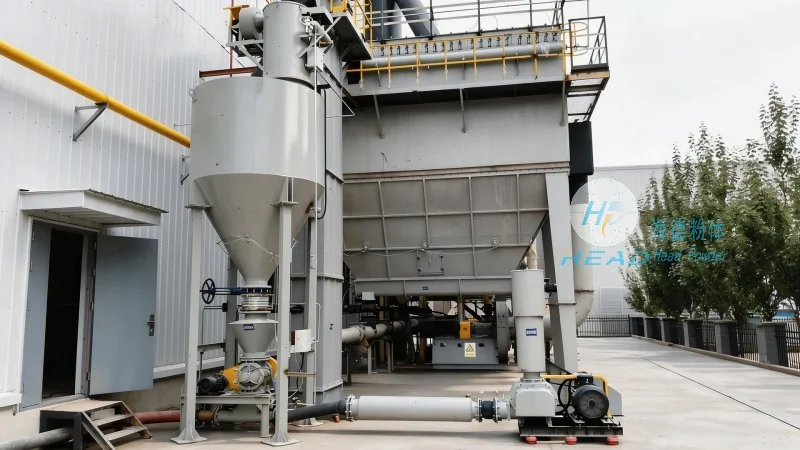
A typical sand particle pneumatic conveying system comprises several critical components, each playing a vital role in the material transport process. The main elements include the material feed hopper, which stores and feeds the sand into the system; the air compressor or blower, which generates the necessary airflow to move the particles; the conveying pipeline, which transports the sand from the source to the destination; and the control valves and regulators, which manage the air pressure and flow rate. Additionally, the system may include a dust collector or filter to maintain air quality and prevent particle loss, as well as a discharge hopper or silo for receiving the conveyed sand.

How Pneumatic Conveying Works for Sand Particles
The operation of a sand particle pneumatic conveying system involves a sequence of steps that ensure efficient material transport. Initially, the sand is fed from the hopper into the pipeline, where it is mixed with the air stream generated by the compressor. The air flow, typically at high velocity, entrains the sand particles, creating a suspension that travels through the pipeline. As the mixture moves, the air pressure and velocity are carefully controlled to maintain the particle suspension and prevent clogging or degradation of the material. At the receiving end, the air is separated from the sand, often through a cyclone separator or filter, and the sand is deposited into the discharge hopper. The air is then either recirculated or vented, depending on the system design.
Advantages of Using Pneumatic Conveying for Sand
Implementing a pneumatic conveying system for sand offers numerous advantages over traditional methods such as belt conveyors or bucket elevators. One of the primary benefits is the ability to transport sand in a closed system, which minimizes dust emissions and environmental contamination. This is particularly important in industries where air quality regulations are stringent. Additionally, pneumatic systems are highly flexible, allowing for changes in the conveying route or destination without major modifications to the infrastructure. They also provide a gentle handling of the sand particles, reducing the risk of breakage or degradation, which is crucial for maintaining the quality of the material. Furthermore, these systems can handle a wide range of particle sizes and moisture contents, making them suitable for various applications in construction, foundries, and other industries.
Applications and Industries Benefiting from Sand Pneumatic Conveying
Sand particle pneumatic conveying systems are widely used across multiple industries due to their adaptability and efficiency. In the construction sector, these systems are employed to transport sand from storage silos to mixing plants or construction sites, ensuring a continuous and dust-free supply of material. In foundries, pneumatic conveying is used to move sand for molding processes, where the quality and consistency of the sand are critical to the final product. Additionally, in the glass manufacturing industry, sand is conveyed to furnaces for glass production, where precise control over the material flow is essential. Other applications include the transport of sand in mining operations, where it may be used as a backfill or for processing purposes. HeadPowder's systems are designed to meet the specific needs of these industries, ensuring optimal performance and reliability.
Customization and Design Considerations for Sand Pneumatic Conveying
HeadPowder understands that each sand handling operation has unique requirements, and thus, offers customized pneumatic conveying solutions. The design of a system involves careful consideration of several factors, including the particle size distribution of the sand, the required conveying distance, the desired flow rate, and the environmental regulations in the operating area. Engineers at HeadPowder conduct thorough analyses of the material properties and operational conditions to select the appropriate type of conveying system—such as dilute-phase or dense-phase transport—based on the specific application. For example, dilute-phase systems are suitable for short to medium distances and low to medium flow rates, while dense-phase systems are preferred for longer distances or when higher material density is required. The selection of the air compressor type, pipeline diameter, and material of construction (e.g., stainless steel or carbon steel) also depends on the sand's characteristics and the system's operating environment. HeadPowder's team of experts works closely with clients to develop tailored solutions that maximize efficiency, minimize maintenance, and ensure compliance with industry standards.

Maintenance and Operational Tips for Sand Pneumatic Conveying Systems
To ensure the longevity and optimal performance of a sand particle pneumatic conveying system, regular maintenance and proper operational practices are essential. HeadPowder recommends several key maintenance activities to prevent system failures and maintain efficiency. First, regular inspection of the air compressor and blower is crucial to ensure they operate within the specified parameters. This includes checking for air leaks, monitoring pressure and temperature, and replacing worn-out parts such as filters and seals. The conveying pipeline should also be inspected periodically for signs of wear, corrosion, or blockages, which can affect the system's performance. Additionally, the dust collector or filter system must be maintained to prevent clogging and ensure proper air filtration. Cleaning the filter elements and checking for blockages are routine tasks that should be performed according to the manufacturer's guidelines. Operational tips include maintaining consistent air pressure and flow rates, as fluctuations can lead to material clogging or degradation. It is also important to monitor the sand feed rate and adjust it as needed to avoid overloading the system. By following these maintenance and operational guidelines, clients can extend the lifespan of their pneumatic conveying systems and minimize downtime.
Conclusion: The Role of HeadPowder in Sand Pneumatic Conveying
In conclusion, pneumatic conveying systems for sand particles are a highly effective and efficient method for transporting bulk materials. HeadPowder, with its expertise and commitment to quality, provides comprehensive solutions that cater to the diverse needs of industries dealing with sand. By understanding the unique requirements of each application and offering customized designs, HeadPowder ensures that clients achieve reliable, cost-effective, and environmentally friendly material transport. Whether for construction, foundry, or other industries, HeadPowder's pneumatic conveying systems are designed to deliver superior performance and contribute to the success of their clients' operations. With a focus on innovation and customer satisfaction, HeadPowder remains a trusted partner in the field of sand particle pneumatic conveying.