

Introduction to Grain Powder Conveying Systems: Structure and Working Principles
Grain powder conveying systems are essential in modern agricultural and food processing industries, facilitating the efficient transport of bulk materials such as grains, powders, and other particulate substances. These systems are designed to handle the unique challenges associated with grain handling, including dust control, material flow management, and system durability. Understanding the structure and working principles of these systems is crucial for optimizing operational efficiency and ensuring safe, reliable material transport in various industrial applications.

Key Components of Grain Powder Conveying Systems
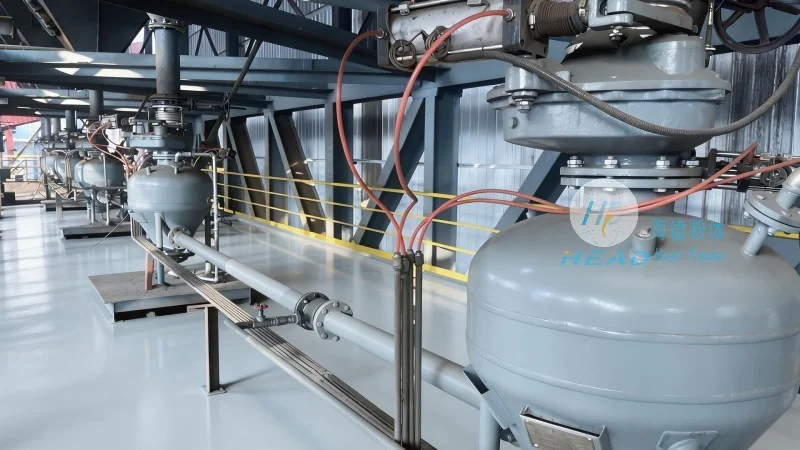
The core components of a typical grain powder conveying system include feed hoppers, conveyor belts or pipes, drive mechanisms, and control systems. Feed hoppers are used to store and regulate the flow of grain powders into the conveyor system, ensuring a consistent feed rate. Conveyor belts or pipes are the primary transport mediums, often made from materials resistant to corrosion and abrasion, such as stainless steel or special polymers. Drive mechanisms, including motors and pulleys, provide the necessary power to move the material through the system. Control systems, equipped with sensors and automation technology, monitor and adjust the conveyor speed, pressure, and other parameters to maintain optimal performance.
Working Principles of Different Conveying Technologies
Grain powder conveying systems utilize various technologies to transport materials, each with distinct advantages and applications. One common method is pneumatic conveying, which uses air pressure to move powders through a pipeline. This technology is particularly effective for handling fine powders and can achieve long-distance transport with minimal material degradation. Another method is mechanical conveying, which relies on mechanical components like belts, screws, or buckets to move materials. Mechanical systems are often preferred for bulkier or more abrasive materials, offering high capacity and reliability. Additionally, hybrid systems combining pneumatic and mechanical components may be used to address specific operational needs, such as handling a mix of fine and coarse particles.

Structural Design and Material Considerations
The structural design of grain powder conveying systems is tailored to withstand the demands of continuous operation and the abrasive nature of grain powders. Components such as hoppers, chutes, and conveyor pipes are constructed from durable materials like stainless steel, aluminum, or high-grade plastics to resist corrosion and wear. The design also incorporates features to minimize dust generation and improve material flow, such as smooth internal surfaces and proper angle of inclination. Additionally, the system is equipped with safety features, including pressure relief valves and emergency stop mechanisms, to ensure safe operation and prevent accidents.
About Shandong HeadPowder Engineering Co., Ltd.
Shandong HeadPowder Engineering Co., Ltd., operating under the brand name headpowder, is a leading manufacturer specializing in the design, development, and production of grain powder conveying systems. With a strong commitment to innovation and quality, the company has established itself as a trusted partner in the agricultural and food processing sectors. HeadPowder's products are engineered to meet the specific requirements of various industries, ensuring high efficiency, reliability, and durability. The company's expertise lies in customizing solutions to address unique operational challenges, providing tailored systems that enhance productivity and reduce operational costs.
Application Examples and Industry Impact
Grain powder conveying systems are widely used in various industries, including agriculture, food processing, pharmaceuticals, and chemical manufacturing. In agriculture, these systems are crucial for transporting harvested grains from fields to storage facilities or processing plants. In food processing, they facilitate the movement of ingredients like flour, sugar, and spices, ensuring consistent quality and hygiene. The reliable operation of these systems directly impacts production efficiency, reducing downtime and improving overall productivity. By optimizing material transport, companies can achieve significant cost savings and enhance their competitive edge in the market.
Conclusion and Future Developments
Grain powder conveying systems play a vital role in modern industrial operations, enabling efficient and safe transport of bulk materials. The combination of advanced structural design, reliable components, and innovative technologies ensures that these systems meet the evolving demands of the industry. As technology advances, future developments may focus on enhancing automation, improving energy efficiency, and integrating smart monitoring systems to further optimize performance. For businesses seeking to enhance their material handling capabilities, investing in a well-designed grain powder conveying system from a reputable manufacturer like Shandong HeadPowder Engineering Co., Ltd. is a strategic decision that can yield long-term benefits and operational excellence.