

Introduction to the Structure and Working Principle of the Coke Powder Pneumatic Conveying System
The coke powder pneumatic conveying system is a specialized equipment designed for the efficient and safe transportation of coke powder from the production site to the processing or storage areas. As a key component in the coke processing industry, this system ensures reliable material handling while maintaining operational safety and efficiency. Developed by Shandong HeadPowder Engineering Co., Ltd. (headpowder), this system is tailored to meet the specific needs of coke processing facilities, providing a robust and reliable solution for material transport.

Key Structural Components
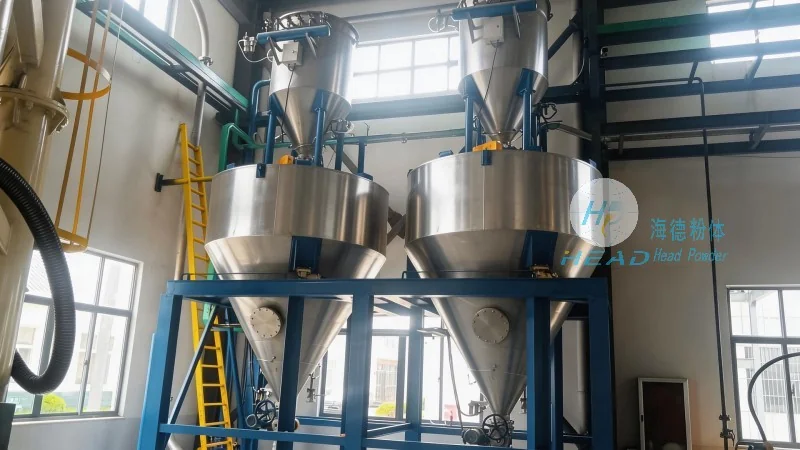
The coke powder pneumatic conveying system comprises several essential parts that work in tandem to achieve effective material transport. The primary components include the material feeding unit, the conveying pipeline, the air supply system, the separation and cleaning devices, and the control system. Each component plays a critical role in the overall operation of the system.
1. Material Feeding Unit: This component is responsible for feeding coke powder into the conveying pipeline. It typically consists of a hopper, a feeder (such as a screw feeder or a rotary valve), and a dust collection system to prevent material loss and maintain air quality. The feeder ensures a consistent and controlled flow of coke powder, which is crucial for stable conveying performance.
2. Conveying Pipeline: The pipeline is the main channel through which coke powder is transported. It is usually made of stainless steel or other corrosion-resistant materials to withstand the abrasive nature of coke powder and prevent material buildup. The pipeline may include bends, elbows, and expansion joints to accommodate changes in direction and pressure, ensuring smooth material flow.
3. Air Supply System: This system provides the necessary air pressure and volume to move the coke powder through the pipeline. It consists of a blower or a fan, a filter to remove impurities from the air, and a pressure regulator to maintain consistent air pressure. The air supply system is designed to generate sufficient airflow to overcome the resistance of the pipeline and the material being conveyed.
4. Separation and Cleaning Devices: These components are used to separate coke powder from the air at the end of the conveying process and to clean the system to prevent clogging and maintain efficiency. The separation unit typically includes a cyclone separator or a bag filter, which captures the coke powder and returns it to the system or to the storage area. The cleaning system may include a pulse jet filter or a manual cleaning mechanism to remove accumulated material from the filters.
5. Control System: The control system monitors and regulates the operation of the entire conveying system. It includes sensors to measure pressure, flow rate, and material level, as well as a control panel to adjust the settings of the feeder, blower, and other components. The control system ensures that the system operates within safe and efficient parameters, preventing overloading, underloading, or other operational issues.

Working Principle of the Pneumatic Conveying System
The operation of the coke powder pneumatic conveying system is based on the principle of pneumatic transport, where the material is suspended and carried by a stream of air within the pipeline. The process involves several steps that ensure the efficient movement of coke powder from the source to the destination.
1. Material Feeding: The coke powder is fed into the hopper of the material feeding unit. The feeder then controls the flow rate of the material into the pipeline, ensuring a consistent supply. The dust collection system attached to the feeder prevents dust from escaping into the environment and maintains the air quality in the system.
2. Air Injection: The air supply system generates a high-pressure air stream, which is introduced into the pipeline at the feeding point. The air flow creates a low-pressure zone in the pipeline, which draws the coke powder into the air stream.
3. Material Suspension and Transport: As the air stream moves through the pipeline, it suspends the coke powder particles, carrying them along with the air. The velocity of the air is maintained at a level sufficient to keep the particles suspended and prevent them from settling or clogging the pipeline.
4. Material Separation: At the end of the conveying pipeline, the air and coke powder mixture enters the separation unit. The cyclone separator or bag filter uses centrifugal force or filtration to separate the coke powder from the air. The separated coke powder is collected in a hopper or storage container, while the cleaned air is discharged back into the environment or recirculated through the system.
5. System Cleaning and Maintenance: The separation and cleaning devices are designed to prevent clogging and maintain the efficiency of the system. Regular cleaning of the filters and other components is necessary to ensure that the system operates smoothly and without interruptions. The control system monitors the performance of the system and alerts operators to any issues that may require maintenance or adjustment.
Advantages of the Coke Powder Pneumatic Conveying System
The coke powder pneumatic conveying system offers several advantages over traditional material handling methods, such as belt conveyors or bucket elevators. These advantages include:
1. High Efficiency: The system can transport coke powder over long distances with minimal loss and high throughput, making it suitable for large-scale operations.
2. Low Maintenance: The system has fewer moving parts compared to traditional conveyors, reducing the need for frequent maintenance and increasing the system's reliability.
3. Safe and Clean Operation: The system operates in a closed pipeline, preventing dust emissions and ensuring a safe working environment. The dust collection system also helps to maintain air quality and comply with environmental regulations.
4. Flexibility: The system can be easily adjusted to accommodate changes in material flow rate or pipeline length, making it adaptable to different production requirements.
5. Energy Efficiency: The system uses compressed air as the primary energy source, which can be more energy-efficient than other methods, especially when the system is designed to recirculate the air.