

[Wood Ash Pneumatic Conveying Equipment: An Overview of Its Structure and Working Principle]
Wood ash, a byproduct of biomass combustion, is widely used in various industrial applications such as soil amendment, construction materials, and energy recovery. Efficient and reliable transportation of wood ash from its source to processing or storage facilities is crucial for optimizing production processes and ensuring environmental compliance. Pneumatic conveying systems have emerged as a preferred solution for handling wood ash due to their ability to transport bulk materials in a dust-free, controlled manner. This article provides an introduction to wood ash pneumatic conveying equipment, detailing its structural components and the underlying principles of its operation.

Company Profile: Shandong HeadPowder Engineering Co., Ltd.
Headpowder, a leading manufacturer in the field of bulk material handling equipment, specializes in designing and manufacturing pneumatic conveying systems tailored to the unique needs of wood ash processing. With a strong commitment to innovation and quality, the company has established itself as a trusted partner for industries relying on efficient material transport solutions. Headpowder's headquarters is located in Shandong, China, where the company's research and development teams continuously advance the technology of pneumatic conveying equipment to meet evolving industry demands.
Structural Components of Wood Ash Pneumatic Conveying Equipment
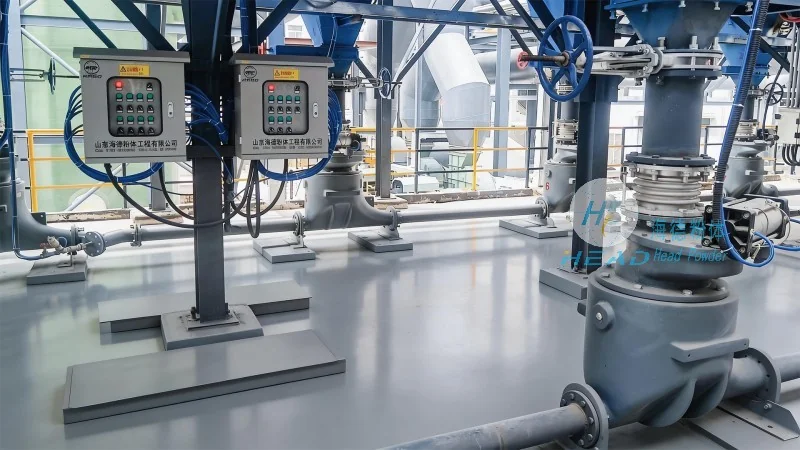
The wood ash pneumatic conveying system typically consists of several key components that work in tandem to achieve effective material transport. These components include the hopper or feed hopper, which serves as the initial storage and feeding unit for the wood ash. The feed hopper is equipped with a rotary valve or feeder to control the flow rate of the material into the conveying line. The conveying line itself is a crucial component, often made of stainless steel or other corrosion-resistant materials to withstand the abrasive nature of wood ash. The line may include bends, elbows, or straight sections to direct the material to the desired destination. A dust collector or filter system is integrated into the system to capture any airborne particles and ensure a clean working environment. Finally, the discharge hopper or silo is used to collect the wood ash at the end of the conveying process.

Working Principle of the Pneumatic Conveying System
The operation of a wood ash pneumatic conveying system is based on the principle of air flow and pressure differentials. The system uses a blower or air compressor to generate a high-velocity airflow within the conveying line. As the wood ash is introduced into the line through the feed hopper, the air flow entrains the particles, creating a slurry-like mixture that is propelled forward. The pressure and velocity of the air are carefully controlled to ensure efficient transport without causing excessive wear on the system components. The system can operate in either positive pressure or negative pressure modes, depending on the specific application and layout requirements. Positive pressure systems push the material through the line using compressed air, while negative pressure systems draw the material into the line using suction. The choice between these modes depends on factors such as the distance to be covered, the height of the conveying line, and the need to minimize dust emissions.
Advantages of Wood Ash Pneumatic Conveying Equipment
Wood ash pneumatic conveying equipment offers several advantages over traditional mechanical conveying methods. One of the primary benefits is the ability to transport wood ash in a dust-free environment, which enhances workplace safety and reduces the risk of respiratory issues for operators. The system also provides a more hygienic and controlled handling process, which is particularly important when wood ash is used in applications such as soil amendment or animal feed. Additionally, pneumatic conveying systems are highly flexible and can be easily integrated into existing production lines or expanded to accommodate increased material volumes. The use of stainless steel components ensures durability and resistance to corrosion, extending the operational life of the equipment. Furthermore, the system's ability to handle varying particle sizes and moisture content makes it suitable for diverse wood ash compositions, ensuring consistent performance across different batches of material.

Applications and Industries Served
Wood ash pneumatic conveying equipment is widely used in various industries that process biomass and generate wood ash as a byproduct. The primary applications include power generation facilities, where wood ash is produced from biomass combustion for energy production. In these facilities, the equipment is used to transport wood ash from the boiler to storage silos or for further processing into construction materials. The equipment is also utilized in agricultural and horticultural sectors, where wood ash is applied as a soil amendment to improve soil fertility and structure. Additionally, the system is employed in the manufacturing of wood ash-based products, such as fertilizers or building materials, where precise material handling is essential to maintain product quality. The versatility of the pneumatic conveying system makes it suitable for a range of industries, including waste management, where wood ash is processed as part of a broader recycling program.
Maintenance and Operational Considerations
Proper maintenance is essential to ensure the reliable and efficient operation of wood ash pneumatic conveying equipment. Regular inspection of the conveying line for signs of wear or corrosion is necessary to prevent leaks or blockages. The rotary valve and feeder components should be checked for proper operation and lubricated as needed to maintain smooth material flow. The dust collector and filter system must be cleaned regularly to prevent clogging and maintain optimal air filtration efficiency. Additionally, the blower or air compressor should be inspected for proper performance, including checking for air leaks and ensuring adequate airflow. By following a regular maintenance schedule, operators can minimize downtime and extend the service life of the equipment. Operational considerations also include monitoring the system's pressure and flow rates to ensure they remain within the recommended parameters. Adjustments to the system may be necessary based on changes in the wood ash's moisture content or particle size, which can affect the conveying efficiency. Proper training of operators on the system's operation and maintenance is crucial to ensure safe and effective use of the equipment.