

Introduction to Dust-Free Automatic Pneumatic Conveying: Structure and Principle Explanation
Shandong HeadPowder Engineering Co., Ltd., commonly referred to as headpowder, is a leading enterprise in the field of dust-free automatic pneumatic conveying technology. Based in Shandong, China, the company specializes in the research, development, and manufacturing of advanced pneumatic conveying systems designed to handle bulk materials efficiently while maintaining a dust-free environment. This article provides an overview of the structure and operational principles of these systems, highlighting their key components and how they contribute to effective material transport in various industrial applications.
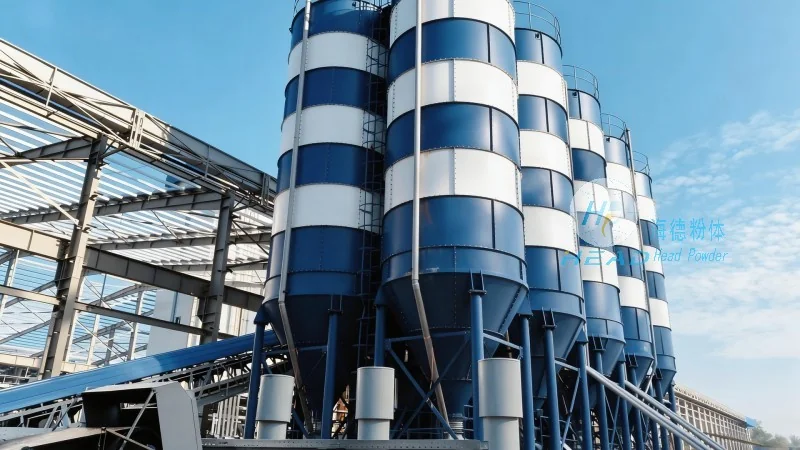
Understanding Dust-Free Automatic Pneumatic Conveying
Pneumatic conveying, also known as air conveying, is a method of transporting bulk materials through a pipeline using a gas stream, typically air. In the context of dust-free systems, the primary goal is to eliminate or minimize dust emissions during material handling, which is crucial for maintaining workplace safety and compliance with environmental regulations. The headpowder company's solutions are engineered to achieve this by integrating advanced filtration and sealing technologies into the conveying process.
Core Components of the Pneumatic Conveying System
The structure of a dust-free automatic pneumatic conveying system consists of several interconnected components that work in tandem to ensure efficient material transport. The main elements include the material feed hopper, the conveying pipeline, the air supply system (including a blower or compressor), and the separation and discharge equipment. Each component plays a critical role in the overall functionality of the system.
1. **Material Feed Hopper**: This is the initial component where bulk materials are loaded. The hopper is designed to feed the material into the conveying pipeline at a controlled rate, preventing blockages and ensuring a steady flow. It often includes a feeder mechanism, such as a rotary valve or a screw feeder, to regulate the material discharge.
2. **Conveying Pipeline**: The pipeline is the main pathway through which the material is transported. It is typically made of stainless steel or other corrosion-resistant materials to withstand the abrasive nature of the materials being conveyed. The pipeline is equipped with appropriate fittings, such as elbows, tees, and reducers, to direct the material flow and maintain system efficiency.

3. **Air Supply System**: This component generates the necessary air pressure to move the material through the pipeline. The system includes a blower or compressor that provides the required airflow and pressure. The air is often filtered to remove contaminants and may be heated or cooled depending on the material characteristics and environmental conditions.
4. **Separation and Discharge Equipment**: At the end of the conveying line, the material is separated from the air stream. This is typically achieved using a cyclone separator or a bag filter. The separated material is then discharged into a collection bin or storage container. The air, now clean, is either vented to the atmosphere or recirculated back into the system.
Operational Principles of the System
The working principle of a dust-free automatic pneumatic conveying system is based on the interaction between the material particles and the air stream. There are two main types of pneumatic conveying systems: positive pressure and negative pressure systems. The choice of system depends on the material properties, the distance to be conveyed, and the required flow rate.
1. **Positive Pressure System**: In this system, the air is supplied under pressure at the material inlet. The high-pressure air entrains the material particles and carries them through the pipeline. The air and material mixture exits the discharge point under pressure, and the material is then separated from the air in a separator. This system is suitable for short to medium distances and for materials that are not too abrasive.

2. **Negative Pressure System**: Also known as a vacuum system, this method uses a vacuum pump to create a low-pressure environment at the material discharge point. The material is drawn into the pipeline by the vacuum, and the air is then drawn through the system to the inlet, where it is pressurized and recirculated. This system is ideal for long-distance conveying and for materials that are sensitive to pressure or for applications where dust containment is critical.
The headpowder company's systems often incorporate a combination of these principles, using advanced control technology to optimize the conveying process. The control system monitors parameters such as pressure, flow rate, and material level, adjusting the air supply and feeder speed as needed to maintain consistent performance.
Advantages of Dust-Free Automatic Pneumatic Conveying
The adoption of dust-free automatic pneumatic conveying systems offers several advantages over traditional material handling methods. These include improved workplace safety by reducing dust exposure, enhanced environmental compliance through minimized emissions, and increased operational efficiency through automated control. The systems are also designed to handle a wide range of materials, from fine powders to granules, and can be customized to meet specific industrial requirements.
By integrating advanced engineering and manufacturing techniques, Shandong HeadPowder Engineering Co., Ltd. provides reliable and efficient dust-free pneumatic conveying solutions that help industries maintain productivity while adhering to safety and environmental standards. The company's commitment to innovation and quality ensures that their systems are at the forefront of material handling technology.