

Operation Process and Working Principle of Small Material Pneumatic Conveying Lines
HeadPowder, a leading provider of material handling solutions, specializes in the design, manufacturing, and installation of pneumatic conveying systems tailored for small particle materials. This article delves into the operation process and working principle of small material pneumatic conveying lines, highlighting the technical aspects and practical applications that make these systems efficient and reliable in various industrial settings.
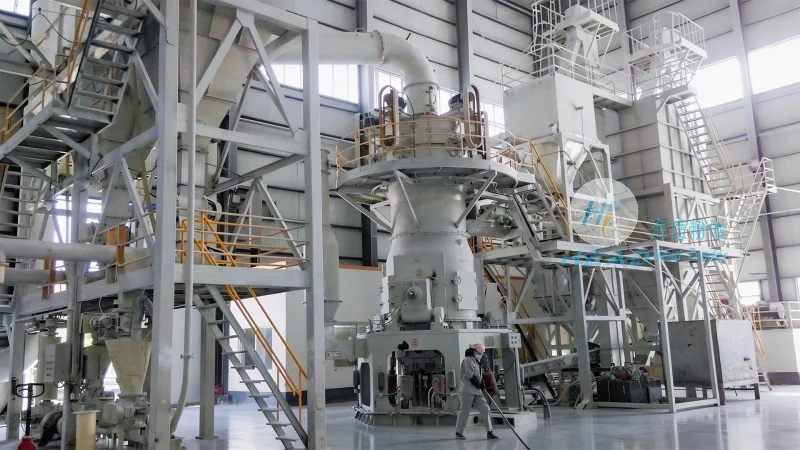
Overview of Small Material Pneumatic Conveying Lines
A small material pneumatic conveying line is a closed system designed to transport dry, free-flowing powders or granules through an air stream. Unlike traditional mechanical conveyors, which rely on mechanical components like belts or screws, pneumatic systems use compressed air or gas to move materials. This method is particularly suitable for handling small particles, as it minimizes product degradation, contamination, and dust exposure, making it ideal for pharmaceutical, food, chemical, and other sensitive industries.
The Working Principle of Pneumatic Conveying
The core of a pneumatic conveying system is the transfer of material using an air flow. The process typically involves several key components: a hopper or feeder to store and feed the material, a compressor to generate the air pressure, a pipeline network to transport the material-air mixture, and a receiver or discharge point to collect the material. The working principle can be categorized into two main types: pressure and vacuum systems.
In a pressure system, compressed air is introduced at the discharge end of the pipeline, pushing the material forward as it moves through the line. The air velocity is maintained above the material's terminal velocity to ensure continuous flow. This method is effective for short to medium-distance conveying and is commonly used in applications where the material needs to be discharged under pressure.
In a vacuum system, a vacuum is created at the discharge end, drawing the material from the hopper and pulling it through the pipeline. The air flow is directed against the material flow, creating a suction effect that pulls the particles along. Vacuum systems are often preferred for longer distances or when the material needs to be transported from multiple sources to a single destination.

Operation Process of Small Material Pneumatic Conveying Lines
The operation process of a small material pneumatic conveying line involves several sequential steps, each critical to ensuring efficient and safe material transport. The process begins with material feeding, where the small particles are loaded into the hopper. A feeder, such as a rotary valve or a star feeder, controls the flow rate of the material into the system, preventing overloading and maintaining a consistent feed.
Next, the compressed air or vacuum is activated, initiating the conveying process. The air flow is regulated by a control valve or a pressure regulator to maintain the appropriate velocity for the material. As the material enters the pipeline, it is suspended by the air stream and transported to the discharge point. The pipeline design, including bends and fittings, is optimized to minimize pressure loss and maintain the air velocity above the material's critical velocity to prevent settling.
Upon reaching the receiver, the material-air mixture is separated. This is typically achieved through a cyclone separator or a filter, where the air is discharged while the material is collected in a container. The system may include a dust collection system to ensure compliance with environmental regulations and to maintain a clean working environment.
Key Components and Their Roles
Several key components work together to ensure the smooth operation of a small material pneumatic conveying line. The hopper or storage bin is the initial point where the material is stored, and its design, including the discharge outlet and internal baffles, is crucial for preventing material bridging and ensuring uniform feeding.
The feeder is responsible for controlling the material flow rate. Rotary valves, star feeders, or screw feeders are commonly used, depending on the material characteristics and required flow rate. These components ensure that the material is fed at a consistent rate, preventing surges or blockages in the pipeline.
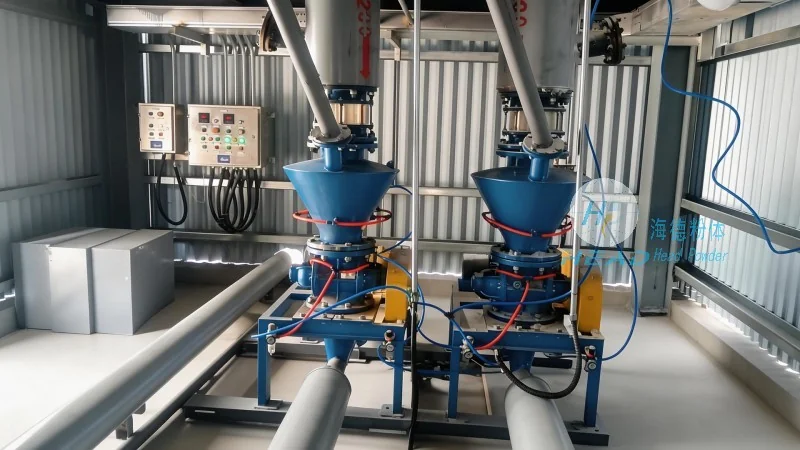
The compressor or vacuum pump generates the necessary air pressure or vacuum. The choice of compressor depends on the system's requirements, including the distance, material type, and flow rate. High-pressure compressors are used for pressure systems, while vacuum pumps are used for vacuum systems. The compressor is equipped with a filter and a moisture separator to maintain air quality and prevent damage to the system.
The pipeline network is a critical component, as it must be designed to withstand the pressure and temperature of the conveying process. The material of the pipeline, such as stainless steel or plastic, is selected based on the material being conveyed and the operating conditions. The pipeline includes bends, elbows, and fittings that are designed to minimize pressure loss and maintain the air velocity. The pipeline is also equipped with pressure gauges and flow meters to monitor the system's performance.
The receiver or discharge point is where the material is collected after the conveying process. The receiver is typically a hopper or a container, and its design is optimized to prevent material buildup and ensure easy access for maintenance. The receiver may include a discharge valve or a rotary valve to control the material flow out of the system.
Advantages and Applications
Small material pneumatic conveying lines offer several advantages over traditional mechanical conveyors. These include reduced product contamination, as the system is enclosed and sealed, preventing exposure to dust and other contaminants. The enclosed design also minimizes dust emissions, making it environmentally friendly and compliant with regulations. Additionally, pneumatic systems are more flexible, as they can be easily reconfigured or expanded to accommodate changes in production needs.
These systems are widely used in various industries, including pharmaceuticals, food processing, chemicals, and plastics. In the pharmaceutical industry, pneumatic conveying is used to transport active pharmaceutical ingredients (APIs) and excipients, ensuring that the materials are handled in a sterile and controlled environment. In the food industry, the system is used to transport powders like flour, sugar, and spices, maintaining the quality and safety of the products. In the chemical industry, pneumatic conveying is used to transport chemicals and additives, minimizing the risk of chemical reactions and ensuring safe handling.

Maintenance and Safety Considerations
Maintaining a small material pneumatic conveying line is essential to ensure its long-term performance and reliability. Regular maintenance includes checking the air compressor for proper operation, inspecting the pipeline for leaks or damage, and cleaning the filters and cyclone separators to prevent clogging. The system should also be inspected for wear and tear, and components should be replaced as needed to prevent breakdowns.
Safety is a critical consideration in pneumatic conveying systems. The system should be equipped with safety valves and pressure relief devices to prevent overpressure. The pipeline should be properly grounded to prevent static electricity buildup, which can cause sparks and fires. Additionally, the system should be designed to prevent material blockages, which can lead to pressure buildup and system failure.
Conclusion
Small material pneumatic conveying lines are efficient and reliable systems for transporting dry, free-flowing powders and granules. The operation process involves feeding the material, activating the air flow, transporting the material through the pipeline, and separating the material from the air at the receiver. The working principle relies on the suspension of material particles in an air stream, which can be achieved through pressure or vacuum systems. Key components, including the hopper, feeder, compressor, pipeline, and receiver, work together to ensure the smooth operation of the system.
HeadPowder, with its expertise in material handling solutions, provides high-quality pneumatic conveying systems tailored to the specific needs of small material applications. The company's commitment to quality and customer satisfaction ensures that its systems are reliable, efficient, and compliant with industry standards. Whether for pharmaceutical, food, chemical, or other industries, HeadPowder's small material pneumatic conveying lines offer a cost-effective and sustainable solution for material transport.