

Operation Process and Working Principle of Foam Powder Material Pneumatic Conveying Equipment
For industries dealing with foam powder materials, efficient and reliable material handling is crucial. The pneumatic conveying equipment designed by Shandong HeadPowder Engineering Co., Ltd. offers a sophisticated solution that ensures seamless operation and optimal performance. This equipment is engineered to handle foam powders with precision, addressing the unique challenges associated with such materials in industrial applications.

Key Components and Structure of the Pneumatic Conveying System
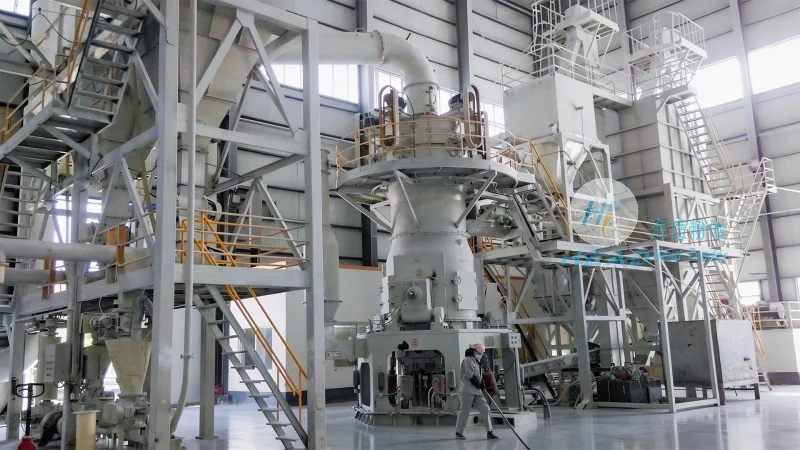
The pneumatic conveying system for foam powders consists of several critical components that work in tandem to facilitate material transport. The main parts include the hopper, which serves as the material storage and feeding unit; the air compressor, responsible for generating the necessary air pressure; the conveying line, which transports the powder through the system; and the receiver, where the material is deposited. Each component is meticulously designed to ensure durability and efficiency, with the hopper featuring a special design to prevent material bridging and the air compressor equipped with advanced control systems to maintain consistent pressure levels.
Working Principle of the Pneumatic Conveying Process
The operation of the foam powder pneumatic conveying equipment is based on the principle of air flow and particle suspension. When the air compressor is activated, it generates a high-pressure air stream that enters the hopper. The foam powder is then drawn into the conveying line by the air flow, and the particles are suspended in the air stream as it moves through the system. The conveying line is typically made of durable materials such as stainless steel or plastic, which are resistant to corrosion and wear from the foam powder. The receiver at the end of the line collects the material, and the air is then filtered and returned to the system, completing the cycle. This process allows for continuous and unobstructed material transport without the need for mechanical parts that could cause blockages or maintenance issues.

Operation Process: Step-by-Step Guide
The operation of the pneumatic conveying equipment for foam powders involves several steps that ensure smooth and efficient material handling. First, the hopper is filled with the foam powder material. Then, the air compressor is started, and the air pressure is adjusted to the appropriate level for the specific material being conveyed. The material is then released from the hopper into the conveying line as the air flow pulls it through. The conveying line transports the powder to the receiver, where it is collected. The air is filtered and recycled back to the system, maintaining a closed-loop operation. The system is equipped with sensors and control panels that monitor the pressure, flow rate, and material level, allowing for real-time adjustments to optimize performance. This step-by-step process ensures that the equipment operates efficiently and safely, minimizing downtime and maximizing productivity.
Advantages of Using Pneumatic Conveying Equipment for Foam Powders
Implementing pneumatic conveying equipment for foam powder materials offers several advantages over traditional mechanical conveying methods. One of the primary benefits is the prevention of material contamination, as the system is enclosed and sealed, preventing exposure to external elements. Additionally, the equipment reduces the risk of dust emissions and improves workplace safety by containing the material within the system. The continuous operation of the pneumatic system also increases productivity, as it can handle large volumes of material without the need for frequent stops or maintenance. Furthermore, the system is easy to clean and maintain, with components that can be easily disassembled and cleaned to prevent material buildup. These advantages make the pneumatic conveying equipment an ideal solution for industries that require efficient and safe handling of foam powders.

Application Scenarios and Industry Use Cases
The pneumatic conveying equipment developed by Shandong HeadPowder Engineering Co., Ltd. is widely used in various industries that handle foam powders. These include the food and beverage industry, where foam powders are used as ingredients or additives; the pharmaceutical industry, where foam powders are used in drug formulations; and the chemical industry, where foam powders are used as raw materials or additives. In the food industry, the equipment is used to transport foam powders such as protein powders or flavorings, ensuring that the material is handled hygienically and efficiently. In the pharmaceutical industry, the equipment is used to transport foam powders used in drug manufacturing, maintaining the purity and quality of the material. In the chemical industry, the equipment is used to transport foam powders used in chemical processes, ensuring that the material is handled safely and effectively. These applications demonstrate the versatility and effectiveness of the pneumatic conveying equipment in various industrial settings.
Maintenance and Operational Tips for Optimal Performance
To ensure the long-term performance and reliability of the pneumatic conveying equipment for foam powders, regular maintenance and proper operation are essential. The system should be inspected regularly for any signs of wear or damage, such as leaks in the conveying line or blockages in the hopper. The air compressor should be checked for proper operation, including the pressure levels and the condition of the air filter. The hopper should be cleaned regularly to prevent material buildup, which can affect the flow rate and efficiency of the system. The sensors and control panels should be checked to ensure they are functioning correctly and providing accurate readings. Additionally, the system should be operated according to the manufacturer's guidelines, including the proper adjustment of air pressure and flow rate for the specific material being conveyed. Following these maintenance and operational tips will help to maximize the lifespan of the equipment and ensure optimal performance.