

Operation Process and Working Principle of Ceramic Material Pneumatic Conveying Equipment
HeadPowder, a leading manufacturer based in Shandong, China, specializes in the design, development, and production of advanced pneumatic conveying systems tailored for handling ceramic materials. The company's expertise lies in creating efficient and reliable equipment that ensures smooth material transport while maintaining product quality. This article delves into the operation process and working principles of ceramic material pneumatic conveying equipment, highlighting the key components, operational steps, and technical aspects that make these systems effective for industrial applications.

Understanding Pneumatic Conveying Systems for Ceramic Materials
Pneumatic conveying is a method of transporting bulk materials, such as ceramic powders and granules, through a pipeline using air or other gases. Unlike traditional mechanical conveying systems, which rely on belts, screws, or buckets, pneumatic systems utilize the force of moving air to move materials. This approach offers several advantages, including low maintenance costs, the ability to handle fine or abrasive materials without damage, and the flexibility to transport materials over long distances. For ceramic industries, where material integrity is critical, pneumatic conveying is often the preferred method due to its gentle handling and ability to maintain product purity.
Key Components of Ceramic Material Pneumatic Conveying Equipment
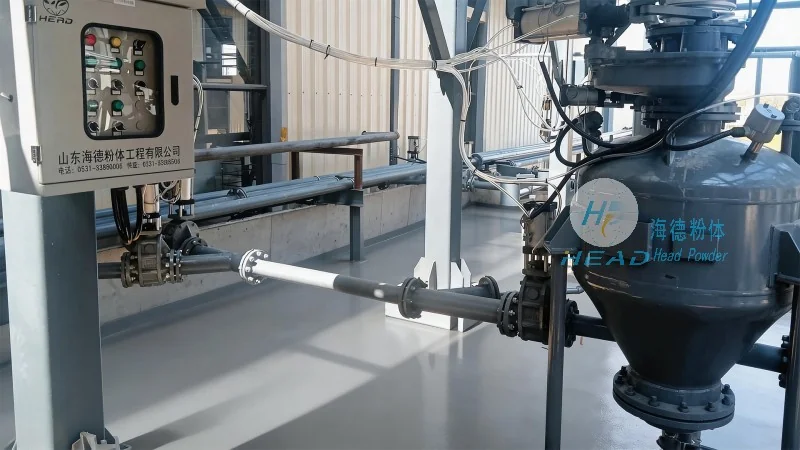
The core components of a pneumatic conveying system for ceramic materials typically include a material hopper, a feeder, a conveying line, a receiver, and a control system. Each component plays a vital role in the overall operation. The material hopper stores the ceramic material and provides a consistent feed to the system. The feeder, often a rotary valve or a screw feeder, regulates the flow of material into the conveying line. The conveying line, usually made of stainless steel or other corrosion-resistant materials, transports the material through the system. The receiver collects the material at the destination and may include a dust collection system to ensure environmental compliance. The control system monitors and adjusts the air pressure, flow rate, and material feed to maintain optimal operation.
Operation Process of Ceramic Material Pneumatic Conveying
The operation process of ceramic material pneumatic conveying involves several sequential steps. First, the ceramic material is loaded into the hopper. The feeder then starts, and the material is introduced into the conveying line. Simultaneously, the air compressor or blower generates the necessary air pressure, which propels the material through the pipeline. As the material travels, it is suspended in the air stream, moving efficiently to the receiver. The control system continuously monitors the pressure and flow to ensure the material reaches the destination without blockages or loss of material. Once the material is received, the system may undergo a cleaning cycle to remove any residual material from the pipeline. This process is repeated as needed to transport ceramic materials between different locations within a facility or to external storage areas.
Working Principles of Pneumatic Conveying for Ceramics
The working principle of pneumatic conveying for ceramic materials is based on the principle of fluidization and suspension. When air is introduced into the conveying line at a sufficient velocity, it creates a turbulent flow that lifts and transports the ceramic particles. The key to effective conveying is achieving the correct air velocity and pressure to maintain the material in a suspended state without causing excessive wear on the equipment. The system operates under either positive pressure (where air is forced into the line) or negative pressure (where air is drawn out of the line). Positive pressure systems are commonly used for long-distance or high-capacity conveying, as they can handle larger volumes and maintain consistent flow. Negative pressure systems are often used for short-distance conveying or when the material needs to be transported from a higher to a lower elevation.

Advantages of Ceramic Material Pneumatic Conveying Equipment
Using pneumatic conveying equipment for ceramic materials offers numerous benefits that enhance operational efficiency and product quality. One of the primary advantages is the gentle handling of materials, which prevents damage to delicate ceramic particles, ensuring that the final product maintains its desired properties. The system also reduces the risk of contamination, as the enclosed pipeline prevents exposure to external elements. Additionally, pneumatic conveying systems are highly flexible, allowing for easy integration into existing production lines and the ability to transport materials to multiple destinations. The low maintenance requirements and the ability to handle abrasive materials without frequent replacements of components further contribute to cost savings. For ceramic manufacturers, these benefits translate into improved product consistency, reduced downtime, and increased overall productivity.

Applications in the Ceramic Industry
Ceramic material pneumatic conveying equipment is widely used in various applications within the ceramic industry. These systems are essential for transporting raw materials, such as clay, feldspar, and quartz, from storage silos to production lines. They are also used to move finished ceramic products, such as tiles, sanitaryware, and porcelain, from the manufacturing floor to packaging and shipping areas. In addition, pneumatic conveying is utilized in the processing of ceramic powders, where fine particles need to be transported between grinding and mixing stages without agglomeration. The versatility of these systems makes them suitable for both batch and continuous production processes, catering to the diverse needs of ceramic manufacturers.
Maintenance and Operational Considerations
Proper maintenance is crucial to ensure the longevity and efficiency of ceramic material pneumatic conveying equipment. Regular inspection of components, such as the hopper, feeder, and conveying line, is necessary to detect any signs of wear or damage. The air compressor or blower should be checked for proper performance, as insufficient air pressure can lead to material blockages or reduced conveying efficiency. Cleaning the system, especially after handling abrasive materials, is essential to prevent clogging and maintain optimal airflow. Additionally, the control system should be calibrated regularly to ensure accurate monitoring and adjustment of operational parameters. By following these maintenance practices, ceramic manufacturers can minimize downtime and maximize the lifespan of their pneumatic conveying equipment.