

Operation Process and Working Principle of Mobile Material Pneumatic Conveying Systems
Mobile material pneumatic conveying systems represent a sophisticated and efficient solution for transporting bulk materials over varying distances and within diverse industrial settings. These systems are designed to handle a wide range of materials, from powders and granules to fine particles, ensuring reliable and continuous material flow without the need for mechanical components like belts or buckets. The operation and working principles of such systems are critical to understanding their effectiveness and suitability for specific applications.

Overview of Mobile Pneumatic Conveying Systems
At the core of mobile pneumatic conveying systems is the ability to transport materials using a combination of air pressure and vacuum. The system typically consists of a hopper for material storage, a conveyor line, and a control unit that regulates the air flow. The design allows for flexibility in layout, making it suitable for both new installations and retrofitting into existing facilities. The systems are often equipped with features such as variable speed drives, pressure sensors, and material flow indicators to enhance operational control and safety.
Working Principle of Pneumatic Conveying
The fundamental principle behind pneumatic conveying is the use of air to move material particles through a pipeline. In a typical system, material is fed from a hopper into a venturi or a pressure vessel, where it is mixed with air. The air then propels the material through the pipeline to the destination point. The system can operate under either positive pressure (where air is forced through the line) or negative pressure (where air is drawn out, creating a vacuum). The choice between these modes depends on the material characteristics, distance, and environmental factors. For example, positive pressure systems are often used for short to medium distances and for materials that are prone to dust or contamination, while negative pressure systems are preferred for longer distances and for materials that require a dust-free environment.

Key Components and Their Functions
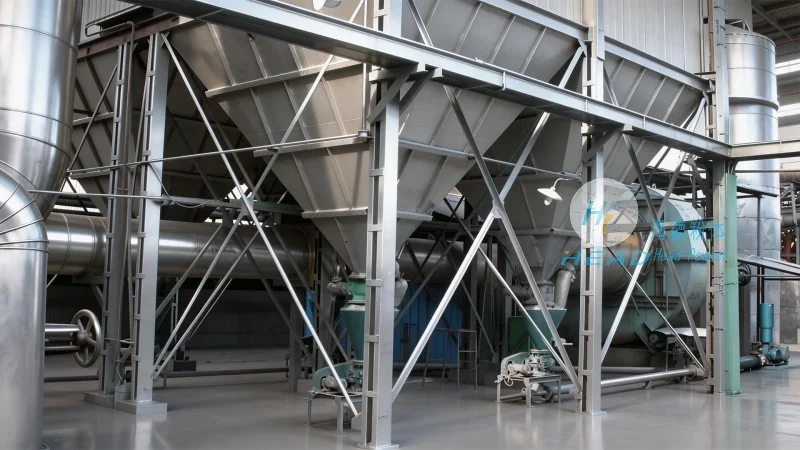
Several key components work in tandem to ensure the smooth operation of a mobile pneumatic conveying system. The material hopper serves as the storage and feeding unit, where bulk material is loaded and then transferred to the conveying line. The feeder, often a rotary valve or a screw feeder, controls the flow rate of material into the system, preventing overloading and ensuring consistent material delivery. The conveying line, usually made of stainless steel or other corrosion-resistant materials, is designed to withstand the pressure and temperature conditions of the material being transported. The air compressor or vacuum pump provides the necessary air pressure or vacuum to move the material. The control unit, equipped with sensors and a user interface, monitors system performance, adjusts air flow, and alerts operators to any issues such as blockages or pressure drops.
Operation Process: From Loading to Delivery
The operation process of a mobile pneumatic conveying system begins with the loading of material into the hopper. The material is then fed into the conveying line at a controlled rate by the feeder. The air compressor generates the required pressure, which pushes the material through the pipeline. As the material travels, it may encounter bends, expansions, or filters that help maintain the flow and prevent blockages. At the destination point, the material is discharged into a storage bin or processing equipment. The system's control unit continuously monitors parameters such as pressure, flow rate, and temperature, ensuring that the operation remains within safe and efficient limits. In case of a blockage or pressure drop, the system can automatically shut down or adjust its operation to prevent damage to components or material spillage.

Advantages and Applications
Mobile pneumatic conveying systems offer several advantages over traditional mechanical conveying methods. They are highly flexible, allowing for changes in layout and material flow without major modifications. The systems are also capable of handling a wide variety of materials, including those that are abrasive, corrosive, or sensitive to moisture. Additionally, they can operate in environments where dust control is critical, as the material is contained within the pipeline. These systems are widely used in industries such as food processing, pharmaceuticals, chemicals, and mining, where the transport of bulk materials requires precision, efficiency, and safety.
Maintenance and Safety Considerations
Maintaining a mobile pneumatic conveying system is essential to ensure its longevity and performance. Regular maintenance includes cleaning the hopper and conveying line to prevent material buildup, checking the condition of the air compressor and filters, and inspecting the control unit for any signs of wear or malfunction. Safety is a top priority in the operation of these systems. Proper training for operators is crucial to understand the system's controls and emergency procedures. The system should be equipped with safety features such as pressure relief valves, emergency stop buttons, and alarms to alert operators to any potential hazards. Additionally, regular inspections and maintenance can help prevent accidents and ensure compliance with safety regulations.
About Shandong HeadPowder Engineering Co., Ltd.
Shandong HeadPowder Engineering Co., Ltd., commonly known as headpowder, is a leading manufacturer and supplier of pneumatic conveying systems and related equipment. With a strong focus on innovation and quality, the company has established itself as a trusted partner in the industry, providing customized solutions to meet the unique needs of its clients. Headpowder's products are designed to meet international standards and are backed by a team of experienced engineers and technicians who provide comprehensive support from design and installation to maintenance and after-sales service. The company's headquarters is located in Shandong, China, where it continues to develop and refine its technology to deliver efficient and reliable material handling solutions.