

Operation Process and Working Principle of Steel Sand Powder Pneumatic Conveying Equipment
Shandong HeadPowder Engineering Co., Ltd. is a professional manufacturer specializing in the design, development, and production of advanced pneumatic conveying equipment. The company is headquartered in Shandong, China, and has established a strong reputation for delivering high-quality solutions tailored to the needs of various industrial sectors.

Operation Process of the Steel Sand Powder Pneumatic Conveying Equipment
The operation of the steel sand powder pneumatic conveying equipment involves a systematic sequence of steps that ensure efficient and reliable material transport. The process begins with the loading of the steel sand powder into the hopper. Once the hopper is filled, the material is drawn into the conveying line by the vacuum or pressure generated by the air compressor. The air flow, controlled by the system's pressure regulator, moves the powder through the pipeline, preventing blockages and maintaining consistent flow rates. At the destination point, the powder is discharged into the receiving container under controlled conditions, ensuring minimal loss and contamination.

Working Principle of the Pneumatic Conveying System
The working principle of the steel sand powder pneumatic conveying equipment is based on the fundamental physics of fluid dynamics and particle transport. The system utilizes either positive pressure or negative pressure (vacuum) to create a flow of air that carries the steel sand powder particles. In positive pressure systems, an air compressor supplies compressed air to the conveying line, pushing the material forward. In negative pressure systems, a vacuum pump creates a low-pressure environment that draws the material into the pipeline. The design of the equipment, including the hopper, pipeline, and control valves, is optimized to handle the specific characteristics of steel sand powder, such as particle size, density, and flowability. The system's control panel allows operators to adjust parameters like air pressure, flow rate, and discharge speed, ensuring precise control over the conveying process.

Key Components and Their Roles in the Equipment
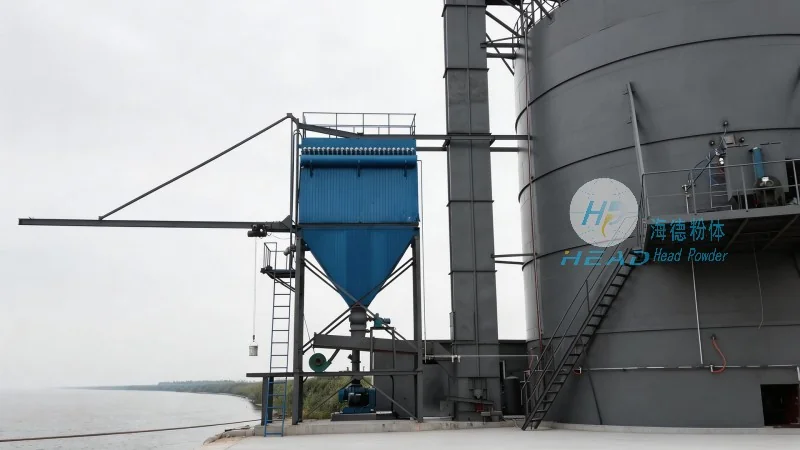
The steel sand powder pneumatic conveying equipment consists of several critical components that work in harmony to achieve efficient material transport. The primary components include the hopper, which serves as the material storage and feeding unit; the air compressor or vacuum pump, which generates the necessary air pressure or vacuum; the conveying pipeline, which transports the material from the source to the destination; and the control valves and regulators, which manage the flow of air and material. The hopper is designed with a conical or rectangular shape to facilitate uniform material flow and prevent bridging or caking. The air compressor is typically equipped with a filter and moisture separator to ensure clean air, which is essential for preventing particle degradation and equipment wear. The conveying pipeline is made of durable materials, such as stainless steel or PVC, to withstand the abrasive nature of steel sand powder and resist corrosion. The control valves, including check valves and flow control valves, regulate the air flow and prevent backflow, ensuring smooth and continuous operation.
Step-by-Step Operation Procedure
The operation of the steel sand powder pneumatic conveying equipment follows a structured procedure to ensure safety and efficiency. First, the system is checked for any blockages or leaks in the pipeline and components. Then, the hopper is filled with the steel sand powder, and the material level is monitored to prevent overfilling. Next, the air compressor is started, and the pressure is adjusted to the appropriate level based on the conveying distance and material characteristics. The system is then activated, and the material is drawn into the pipeline by the air flow. During operation, the pressure and flow rates are continuously monitored to ensure optimal performance. If any issues arise, such as a blockage or pressure drop, the system's alarm system triggers an alert, allowing operators to take corrective action. Finally, when the conveying is complete, the system is shut down in a controlled manner, and the pipeline is purged to remove any remaining powder before maintenance or cleaning.