

Operation Process and Working Principle of Coal Ash Granular Material Conveying Equipment
Coal ash granular material conveying equipment is a specialized system designed for the efficient transport of coal ash particles, a byproduct commonly generated in thermal power plants and industrial combustion processes. This equipment plays a crucial role in managing the handling and transportation of these materials, ensuring safe and reliable operation in various industrial settings. The design and functionality of such systems are tailored to meet the specific demands of coal ash handling, offering solutions that enhance operational efficiency and environmental compliance.

HeadPowder, a leading manufacturer in the field, specializes in the development and production of advanced conveying equipment for coal ash and other granular materials. With a strong presence in Shandong, China, the company has established itself as a trusted provider of high-quality industrial solutions. Their products are engineered to deliver durability, reliability, and optimal performance, catering to the diverse needs of clients in the power generation and industrial sectors.
Operation Process of Coal Ash Granular Material Conveying Equipment
The operation process of coal ash granular material conveying equipment typically involves several key steps that ensure the smooth and continuous transport of materials. The process begins with the loading of coal ash from the source, such as ash hoppers or storage silos, into the conveying system. This is often facilitated by feeders or hoppers that regulate the flow of material into the conveyor. The equipment then uses mechanisms like screw conveyors, belt conveyors, or pneumatic systems to move the coal ash through the system. Each component, from the inlet to the discharge point, is designed to handle the specific characteristics of coal ash, including its particle size, moisture content, and bulk density. The system is equipped with controls that monitor and adjust the flow rate, ensuring consistent performance and preventing blockages or overloading. The discharge end of the conveyor delivers the coal ash to the designated storage or processing area, completing the transport cycle.
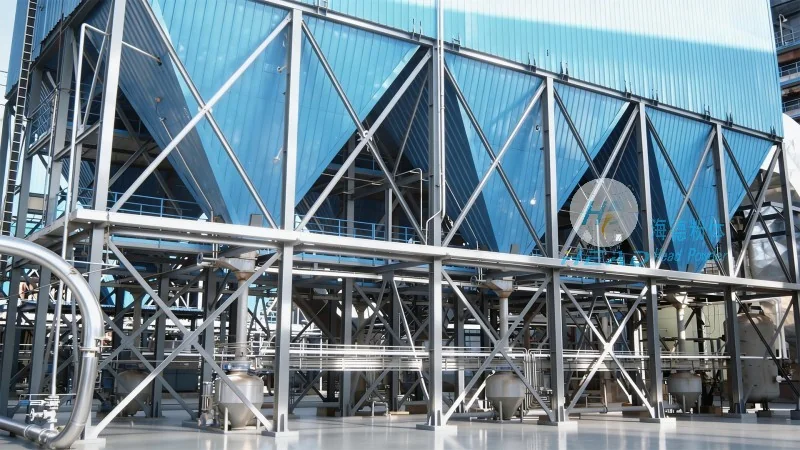
Working Principle of Coal Ash Granular Material Conveying Equipment
The working principle of coal ash granular material conveying equipment is based on mechanical or pneumatic forces that move the material from the inlet to the outlet. For mechanical systems, such as screw conveyors or belt conveyors, the equipment relies on rotating components or moving belts to push or pull the coal ash along the conveyor path. The screw conveyor, for instance, uses a rotating screw to push the material forward, while the belt conveyor utilizes a moving belt that carries the material. These mechanical systems are effective for handling dry or slightly moist coal ash, providing a reliable and low-maintenance solution. Pneumatic conveying systems, on the other hand, use compressed air to transport the coal ash particles through a pipeline. The air flow creates a pressure differential that propels the material, allowing for long-distance transport and flexibility in system layout. The choice of system depends on factors like the material's properties, the required transport distance, and the operational environment. In all cases, the equipment is designed to ensure efficient material transfer while minimizing energy consumption and wear on components.
Advantages of HeadPowder's Coal Ash Conveying Solutions
HeadPowder's coal ash granular material conveying equipment offers several advantages that make it a preferred choice for industrial applications. The equipment is engineered for durability, with robust construction that can withstand the harsh conditions associated with coal ash handling, including high temperatures and abrasive particles. This ensures long service life and minimal downtime, reducing maintenance costs for clients. The systems are also designed for high efficiency, with optimized flow rates and minimal energy consumption, contributing to lower operational costs. Additionally, the equipment is easy to maintain, with accessible components and straightforward maintenance procedures. HeadPowder's commitment to quality and customer satisfaction is reflected in the comprehensive support provided, including technical assistance and after-sales service. The company's products are compliant with industry standards, ensuring safety and reliability in operation.

Applications of Coal Ash Granular Material Conveying Equipment
Coal ash granular material conveying equipment is widely used in various industrial applications, particularly in the power generation sector. In thermal power plants, the equipment is essential for transporting coal ash from the boiler to storage facilities or for further processing. It is also used in industrial plants that generate coal ash as a byproduct, such as cement plants and steel mills. The equipment helps in managing the handling of these materials, ensuring that they are transported safely and efficiently. The systems are adaptable to different production scales, from small-scale operations to large industrial facilities. They can be integrated into existing systems or used as standalone solutions, providing flexibility in system design. The equipment is also suitable for handling other granular materials, such as fly ash and bottom ash, making it a versatile solution for various industrial needs.
Conclusion
Coal ash granular material conveying equipment is a critical component in the management of coal ash handling processes. The operation process and working principle of such equipment are designed to ensure efficient and reliable transport of materials, contributing to the overall productivity and safety of industrial operations. HeadPowder, with its expertise and commitment to quality, provides advanced solutions that meet the specific needs of clients. By understanding the operation process and working principle of these systems, industries can make informed decisions about their material handling strategies, ensuring optimal performance and compliance with environmental regulations. The equipment's durability, efficiency, and adaptability make it a valuable asset in modern industrial applications, supporting the sustainable management of coal ash and other granular materials.