

Operation Process and Working Principle of Grain Material Conveying Systems
Grain material conveying systems are essential in modern agricultural and food processing industries, designed to efficiently transport bulk grain and other similar materials from one location to another. These systems play a crucial role in ensuring smooth operations in grain storage, processing, and distribution facilities. The following content will detail the operation process and working principle of such systems, highlighting key components and their functions.

Key Components of Grain Material Conveying Systems
At the core of any grain material conveying system are several critical components that work in tandem to achieve efficient material handling. The primary components include feeders, conveyors, elevators, and control systems. Feeders are responsible for evenly distributing the grain into the conveyor system, ensuring consistent flow. Conveyors, such as belt conveyors or screw conveyors, transport the grain horizontally or vertically. Elevators, often vertical screw or bucket elevators, lift the grain to higher levels for storage or processing. Control systems, equipped with sensors and automation technology, monitor and regulate the entire process to maintain optimal performance and prevent issues like blockages or overloading.
Operation Process of Grain Material Conveying Systems
The operation process of a grain material conveying system typically begins with the intake of raw grain from a storage silo or hopper. The feeder then dispenses the grain into the conveyor belt or screw mechanism. As the conveyor moves, the grain is transported to the desired location, such as a processing unit or a storage bin. If vertical movement is required, an elevator lifts the grain to the next level. Throughout the process, sensors continuously monitor the flow rate, pressure, and other parameters to ensure the system operates within safe and efficient limits. Any deviations are immediately detected and corrected by the control system, preventing downtime and maintaining consistent output.
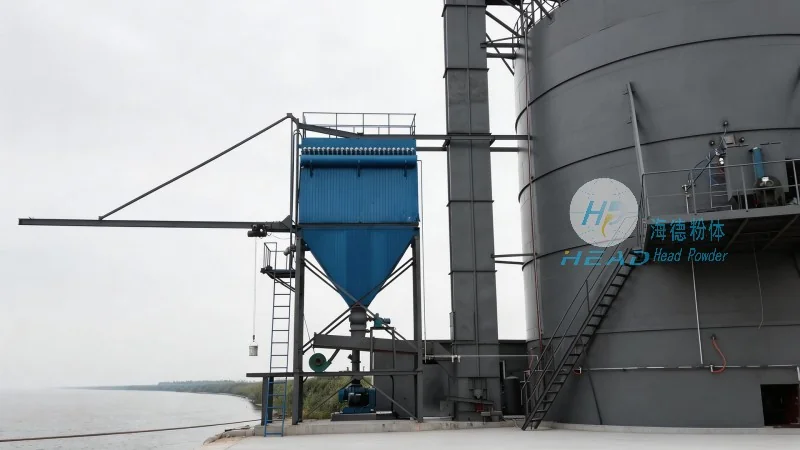
Working Principle of Grain Material Conveying Systems
The working principle of grain material conveying systems is based on mechanical energy transfer and material handling technology. The system utilizes gravity, friction, and mechanical force to move the grain from the source to the destination. For horizontal transport, belt conveyors use a motor-driven pulley system that pulls the belt, moving the grain along the path. Screw conveyors, on the other hand, employ a rotating screw to push the grain forward. Vertical elevators use a series of buckets or screws to lift the grain upward, leveraging the rotational force to overcome gravity. The control system integrates sensors to measure the grain's density, temperature, and flow rate, adjusting the conveyor speed or feeder output as needed to maintain a stable and efficient operation. This integrated approach ensures that the system can handle various types of grain, from wheat and corn to soybeans and rice, with minimal maintenance and high reliability.

Applications and Benefits of Grain Material Conveying Systems
Grain material conveying systems are widely used in various industries, including agriculture, food processing, and feed manufacturing. They are essential for efficient grain handling, reducing manual labor and improving safety in the workplace. The systems are designed to handle large volumes of grain, with some capable of processing thousands of tons per hour. The benefits of these systems include increased productivity, reduced labor costs, and improved product quality by minimizing grain damage during transport. Additionally, the automation and control features enhance operational efficiency, allowing for real-time monitoring and adjustments to adapt to changing production demands.
About Shandong HeadPowder Engineering Co., Ltd.
Shandong HeadPowder Engineering Co., Ltd., operating under the brand name headpowder, is a leading manufacturer of grain material conveying systems. With a focus on innovation and quality, the company provides comprehensive solutions tailored to the specific needs of its clients. HeadPowder's systems are designed to meet international standards and are equipped with advanced technology to ensure reliability and efficiency. The company's headquarters is located in Shandong, China, where it has established a strong presence in the industry. By combining expertise in mechanical engineering and customer-centric service, HeadPowder delivers high-performance conveying systems that enhance operational efficiency and reduce costs for its clients.