

The Operation Process and Working Principle of Colored Sand Material Conveying
Colored sand material conveying systems are essential in various industrial applications, particularly in the production and processing of colored sand products. These systems are designed to efficiently transport colored sand from storage areas to processing units, ensuring smooth workflow and consistent material handling. The operation process and working principle of such systems involve several key components and steps that work in tandem to achieve optimal performance.

Key Components of Colored Sand Conveying Systems
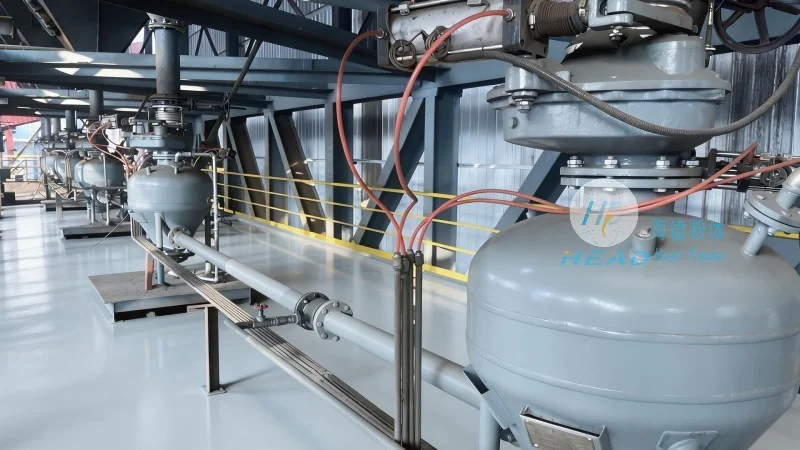
The core components of a colored sand material conveying system typically include hoppers, feeders, conveyor belts or screw conveyors, control panels, and dust collection systems. Each component plays a crucial role in the overall operation. The hopper serves as the storage container, holding the colored sand until it is ready to be conveyed. The feeder, often a rotary or vibratory type, regulates the flow of sand from the hopper to the conveyor, preventing overloading and ensuring a steady feed rate. The conveyor mechanism, which can be a belt conveyor or a screw conveyor, is responsible for transporting the sand horizontally or vertically, depending on the layout of the facility. The control panel allows operators to monitor and adjust the system parameters, such as speed and feed rate, to maintain optimal performance. Finally, the dust collection system is integrated to manage airborne particles, ensuring a clean and safe working environment.

The Working Principle of Material Conveying
The working principle of colored sand material conveying systems is based on mechanical energy to move the material from one location to another. In a typical setup, the colored sand is first loaded into the hopper. The feeder then starts to rotate or vibrate, causing the sand to flow into the conveyor. For belt conveyors, the sand is placed on the moving belt, which transports it to the desired destination. For screw conveyors, the rotating screw pushes the sand forward through a tube. The speed of the conveyor is controlled by the motor, which can be adjusted to match the production requirements. The system operates continuously, with the feed rate and conveyor speed synchronized to maintain a consistent flow of material. This ensures that the colored sand is transported efficiently without any bottlenecks or delays.

Operation Process of Colored Sand Material Conveying
The operation process of a colored sand material conveying system involves several sequential steps that ensure the smooth and safe handling of the material. First, the colored sand is stored in the hopper, which is usually made of durable materials like stainless steel or high-density polyethylene to resist wear and corrosion from the sand particles. Next, the feeder is activated, and the sand begins to flow from the hopper into the conveyor. The conveyor then transports the sand to the processing unit, such as a mixing or screening machine. During this process, the control panel monitors the system's performance, adjusting the feed rate or conveyor speed as needed to maintain a steady flow. The dust collection system is also active, capturing any airborne particles and directing them to a filter or collection bin. Once the sand reaches the processing unit, it is further processed according to the production requirements. The entire process is automated to a large extent, with minimal manual intervention required, ensuring high efficiency and consistency.
Efficiency and Maintenance Considerations
Efficiency is a critical factor in the operation of colored sand material conveying systems. Proper maintenance is essential to ensure that the system operates at optimal performance levels. Regular inspection of the conveyor belts or screws for wear and tear is necessary to prevent breakdowns. The feeder and hopper should be cleaned regularly to prevent clogging and ensure consistent flow. The control panel should be checked for proper functioning, and any software updates or adjustments should be made as needed. Additionally, the dust collection system should be maintained to ensure it is effective in capturing particles and preventing dust accumulation in the facility. By following a regular maintenance schedule, the system can operate for extended periods with minimal downtime, reducing production costs and ensuring consistent quality of the colored sand products.