

Operation Process and Working Principle of Continuous Material Feeding and Conveying Systems
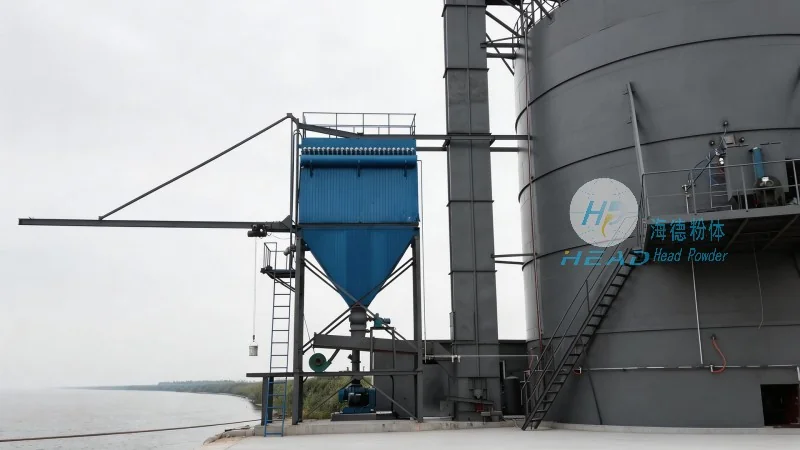
Continuous material feeding and conveying systems are fundamental to modern industrial operations, providing efficient and reliable transport of bulk materials. These systems are widely used across various sectors, including pharmaceuticals, food processing, and chemical manufacturing, where consistent material flow is essential for maintaining production efficiency and product quality. The operation process and working principle of such systems involve integrated mechanisms designed to handle materials with minimal interruption, ensuring smooth and continuous movement from the source to the destination.

Company Profile: HeadPowder Engineering Co., Ltd.
HeadPowder, a prominent manufacturer based in Shandong, China, specializes in the design, development, and implementation of advanced material handling solutions. As a leading provider in the industry, HeadPowder Engineering Co., Ltd. has established a strong reputation for delivering high-quality, customized conveyor systems tailored to meet the specific requirements of clients. The company's expertise lies in integrating innovative technologies with robust engineering to create systems that are both efficient and durable, catering to diverse industrial applications.
Core Components and Their Roles
The operation of a continuous material feeding and conveying system relies on several key components, each contributing to the overall functionality. The feed hopper is the initial component, responsible for storing and regulating the flow of bulk materials. Equipped with level sensors and control mechanisms, the hopper maintains a consistent material level, preventing overfilling or underfilling. The feeding mechanism, typically a screw or vibratory feeder, then transfers the material from the hopper into the main conveyor. This component ensures a controlled and steady flow, which is critical for preventing blockages and maintaining system efficiency.

The Conveying Mechanism: Transporting Materials
Once the material is fed into the conveyor, it is transported along a designated path using various conveyor types. The choice of conveyor depends on the material characteristics, such as size, shape, and moisture content. Belt conveyors are commonly used for lighter materials, while chain and flight conveyors are preferred for heavier or bulkier items. The conveyor system is powered by an electric motor, which drives the drive pulley or sprocket, causing the conveyor belt to move at a predetermined speed. This speed is adjustable to accommodate different material handling needs, ensuring the system can handle varying loads without compromising performance.
Control Systems and Automation
Modern continuous material feeding and conveying systems incorporate sophisticated control systems to enhance operational efficiency and safety. These systems often include programmable logic controllers (PLCs), which monitor and regulate the entire process. Sensors are strategically placed along the conveyor to detect material levels, blockages, or jams, triggering automatic responses such as stopping the conveyor or activating alarms. This automation improves reliability, reduces human error, and increases productivity, leading to lower downtime and higher operational efficiency.

Maintenance and Operational Best Practices
Proper maintenance is crucial for ensuring the longevity and optimal performance of continuous material feeding and conveying systems. Regular inspections of key components, including the conveyor belt, feed mechanisms, and control systems, are necessary to identify and address potential issues before they escalate. HeadPowder emphasizes preventive maintenance, which involves cleaning, lubrication, and component replacement as needed. Additionally, monitoring operational parameters like conveyor speed and feed rate ensures alignment with production demands. By following these practices, users can maximize system lifespan and minimize operational costs.
Applications and Industry Impact
Continuous material feeding and conveying systems find extensive applications in industries where bulk material handling is critical. In the pharmaceutical industry, these systems are used to transport raw materials and finished products, adhering to stringent quality and safety standards. In food processing, they help maintain hygiene and prevent contamination by providing enclosed and controlled environments. Similarly, in chemical manufacturing, they facilitate the safe and efficient handling of hazardous materials, reducing accident risks and environmental impact. The versatility and reliability of these systems make them indispensable in modern industrial operations, driving productivity and operational excellence.