

Operation Process and Working Principle of a Gas-Pneumatic Conveyor for Anhydrous Sodium Sulfate
Gas-pneumatic conveyors are essential equipment in the chemical processing industry, particularly for handling bulk materials like anhydrous sodium sulfate. The operation of such a system involves a series of coordinated steps that ensure efficient material transport from the source to the destination. This article provides a detailed overview of the operational process and the underlying working principles of a gas-pneumatic conveyor designed for anhydrous sodium sulfate, highlighting key components and their functions.
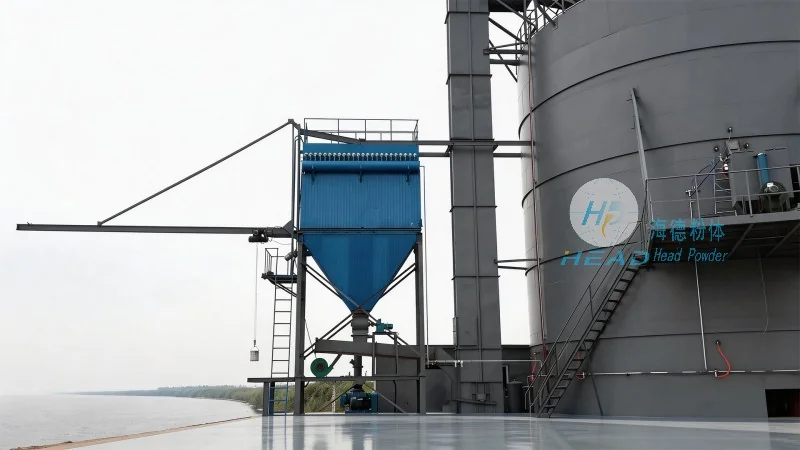
Key Components of the Gas-Pneumatic Conveyor System
The gas-pneumatic conveyor for anhydrous sodium sulfate consists of several critical components that work in tandem to achieve reliable material transport. The primary components include the hopper, which serves as the material storage and feeding unit; the airlock or feeder, responsible for controlling the flow of material into the conveyor line; the conveying pipe, where the material is propelled by compressed air; and the discharge unit, which delivers the material to the final destination. Each component plays a vital role in maintaining the efficiency and safety of the system.
Working Principle of the Gas-Pneumatic Conveyor
The working principle of a gas-pneumatic conveyor for anhydrous sodium sulfate is based on the use of compressed air to create a pneumatic flow that transports the material particles. When the system is activated, compressed air is introduced into the conveying pipe. The air flows through the pipe, creating a low-pressure zone that draws the anhydrous sodium sulfate particles into the pipe. The material is then carried along the pipe by the moving air stream. The speed and pressure of the air can be adjusted to control the flow rate and ensure that the material is transported smoothly without excessive wear or degradation.

Operation Process of the Gas-Pneumatic Conveyor
The operation process of the gas-pneumatic conveyor for anhydrous sodium sulfate begins with the loading of the material into the hopper. The material is then fed into the airlock or feeder, which regulates the flow rate to match the conveying capacity. As the material enters the conveying pipe, the compressed air is activated, and the material is carried through the pipe to the discharge unit. The discharge unit may include a rotary valve or a hopper that collects the material and delivers it to the next processing stage. The system operates continuously as long as the material supply is maintained and the air pressure is sufficient to ensure proper transport.
Advantages of Using a Gas-Pneumatic Conveyor for Anhydrous Sodium Sulfate
Gas-pneumatic conveyors offer several advantages when used for transporting anhydrous sodium sulfate. These include the ability to handle abrasive materials without causing excessive wear on the equipment, the flexibility to transport materials over long distances, and the reduced risk of material contamination compared to other conveying methods. Additionally, the system is relatively simple to install and maintain, making it a cost-effective solution for many industrial applications.

Applications of the Gas-Pneumatic Conveyor in the Chemical Industry
The gas-pneumatic conveyor for anhydrous sodium sulfate is widely used in various chemical processing applications. It is commonly employed in the production of detergents, where anhydrous sodium sulfate is used as a filler or bulking agent. The conveyor is also used in the manufacturing of other chemical products, such as glass and paper, where the material needs to be transported from storage to processing equipment. The system's ability to handle bulk materials efficiently makes it an essential component in many chemical plants.
Maintenance and Safety Considerations
Maintaining the gas-pneumatic conveyor for anhydrous sodium sulfate is crucial to ensure its long-term performance and safety. Regular maintenance tasks include checking the air pressure and flow rate, inspecting the conveying pipe for blockages or wear, and cleaning the hopper and feeder to prevent material buildup. Safety considerations include ensuring that the system is properly grounded and that all electrical components are protected from moisture. Additionally, operators should be trained on the proper operation and maintenance of the equipment to prevent accidents and ensure optimal performance.