

Operation Process and Working Principle of Positive Pressure Dense Phase Pneumatic Conveying Systems
At Shandong HeadPowder Engineering Co., Ltd., we specialize in advanced pneumatic conveying solutions, with a focus on positive pressure dense phase systems. Our company, based in Shandong, China, has established itself as a leader in providing efficient and reliable equipment for material handling. This article delves into the operation process and working principles of these systems, highlighting their benefits and practical applications.
Company Overview
HeadPowder is a prominent manufacturer and supplier of industrial equipment, with a strong presence in the material handling sector. Our headquarters is located in Shandong, China, where we develop and produce high-quality pneumatic conveying systems. We are committed to delivering innovative solutions that meet the diverse needs of our clients, ensuring optimal performance and durability in various industrial applications.
Operation Process of Positive Pressure Dense Phase Pneumatic Conveying Systems
The operation of a positive pressure dense phase pneumatic conveying system involves several key steps. Initially, the material to be conveyed is fed into the system, typically through a hopper or feeder. The system then uses a positive pressure air stream to transport the material through a pipeline. The dense phase mode ensures that the material moves in a slurry-like state, minimizing particle separation and degradation. This method is particularly effective for handling abrasive or fragile materials, as it reduces wear and tear on the equipment.

During the conveying process, the air pressure is carefully controlled to maintain the material in a dense phase. The pipeline design, including the use of bends and valves, is optimized to ensure smooth flow and prevent blockages. The system typically includes a receiver or discharge hopper at the end of the pipeline, where the material is collected. The air used in the system is often filtered and recycled to maintain efficiency and reduce operational costs.
Working Principle of Positive Pressure Dense Phase Pneumatic Conveying Systems
The core principle of positive pressure dense phase pneumatic conveying is the use of compressed air to create a high-pressure environment that propels the material through the pipeline. Unlike negative pressure systems, which draw material into the system, positive pressure systems push the material forward, providing better control over the flow rate and pressure. The dense phase operation is achieved by maintaining a high solids-to-air ratio, which results in a stable, non-turbulent flow. This mode of operation is crucial for preventing material degradation and ensuring consistent performance.
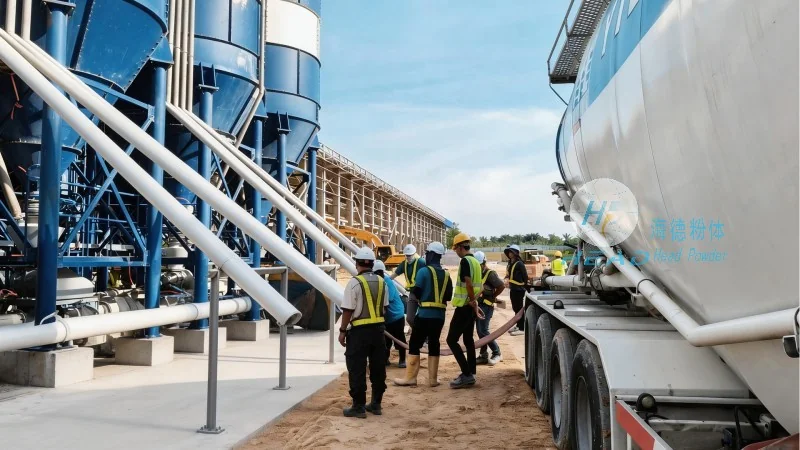
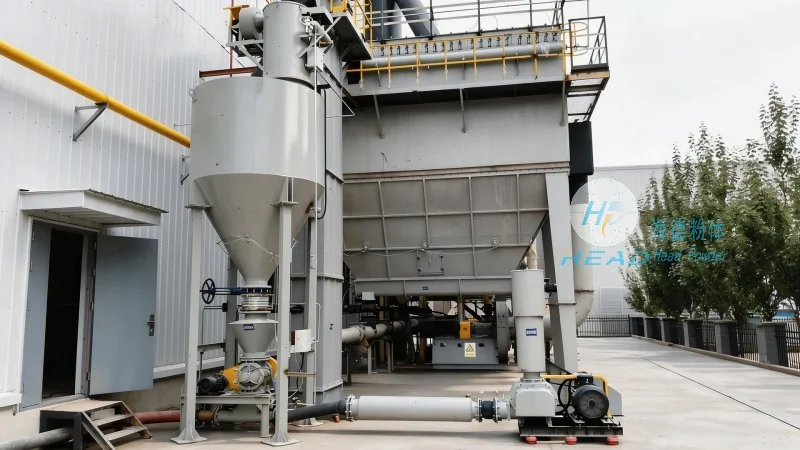
The system components include a blower or compressor, which supplies the compressed air, a feeder to control the material feed rate, a pipeline network, and a receiver. The blower is responsible for generating the necessary pressure, while the feeder regulates the amount of material entering the system. The pipeline is designed with appropriate diameters and slopes to facilitate smooth material movement. The receiver at the end of the pipeline collects the conveyed material and may include a discharge valve or hopper for further processing.
Benefits and Applications of Positive Pressure Dense Phase Pneumatic Conveying Systems
Positive pressure dense phase pneumatic conveying systems offer several advantages over traditional methods. They are highly efficient in transporting bulk materials over long distances, with minimal energy consumption. The dense phase mode reduces material degradation, making it suitable for fragile or sensitive products. Additionally, these systems are compact and can be integrated into existing industrial setups, reducing installation costs and space requirements. They are widely used in industries such as food processing, pharmaceuticals, chemicals, and minerals, where material handling requires precision and reliability.

One of the key benefits is the ability to handle a wide range of materials, from fine powders to bulk solids. The system's flexibility allows for customization based on the specific requirements of the application. For example, in the food industry, these systems are used to transport ingredients like flour, sugar, and spices, ensuring hygienic and efficient processing. In the chemical industry, they are employed to convey powders and granules, maintaining product integrity and preventing contamination.
Conclusion
Shandong HeadPowder Engineering Co., Ltd. provides comprehensive solutions for positive pressure dense phase pneumatic conveying systems, combining advanced technology with practical application. Our systems are designed to meet the highest standards of efficiency, reliability, and durability, ensuring optimal performance in various industrial settings. By understanding the operation process and working principles, users can make informed decisions about implementing these systems in their operations, leading to improved productivity and cost savings.