

Principle and Working Scene Characteristics of Pneumatic Conveying Systems for Solid Powder Material
HeadPowder, a leading engineering firm based in Shandong, China, specializes in the design and implementation of advanced pneumatic conveying systems for solid powder materials. These systems are crucial in various industrial applications, offering efficient and reliable material transport solutions. This article delves into the fundamental principles of pneumatic conveying and highlights the key characteristics of different working scenarios where such systems are deployed.
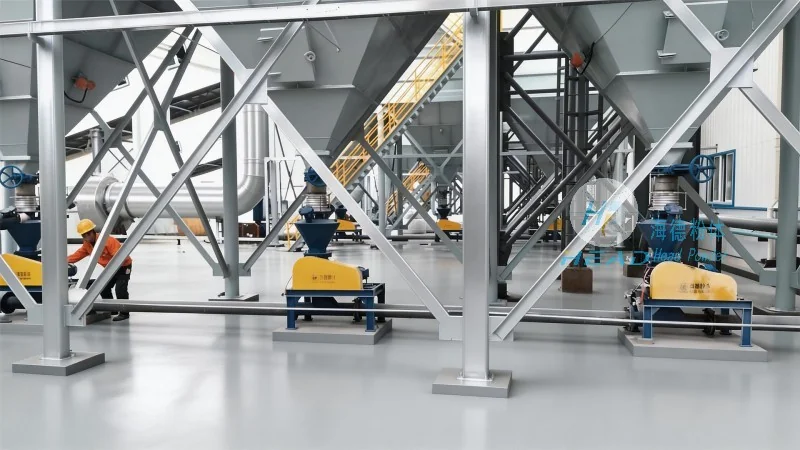
Understanding the Core Principle of Pneumatic Conveying Systems
Pneumatic conveying systems operate on the principle of transporting solid particles using a moving gas stream, typically air or a combination of air and other gases. The process involves creating a pressure differential or utilizing suction to draw the powder material into a pipeline. As the gas flows through the system, it lifts and propels the solid particles, enabling them to travel from the source to the destination. This method is distinct from mechanical conveying systems, as it eliminates the need for moving parts in contact with the material, reducing wear and maintenance requirements. The efficiency of the system depends on several factors, including the type of material being conveyed, the air velocity, and the system configuration. For instance, dense or abrasive powders may require higher air velocities and specialized equipment to ensure smooth transport. The principle also involves controlling the flow rate and pressure to maintain consistent material movement and prevent blockages or segregation.

Key Working Scene Characteristics of Pneumatic Conveying Systems
The application of pneumatic conveying systems varies significantly across different industrial sectors, each with unique characteristics that influence system design and performance. In the chemical industry, for example, these systems are used to transport fine powders such as pigments, catalysts, and pharmaceuticals. The working scene in this sector demands high precision and cleanliness, as contamination can affect product quality. Therefore, systems often incorporate dust collection and filtration components to maintain a sterile environment. The design may also include explosion-proof features to address the risk of flammable materials. In the food and beverage industry, the focus is on hygiene and safety, with systems constructed from stainless steel and equipped with sanitary fittings. The working scene here may involve conveying ingredients like flour, sugar, or spices, where maintaining product integrity and preventing cross-contamination is critical. The systems are typically designed for low-temperature operation and easy cleaning to meet regulatory standards.
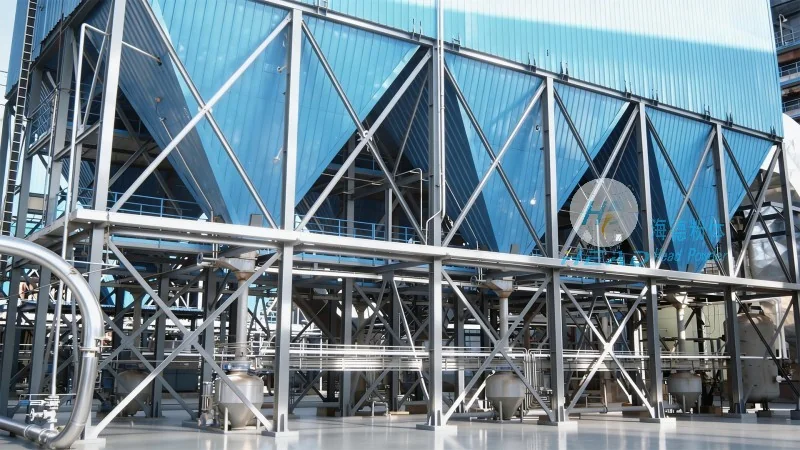
In the mining and mineral processing sector, pneumatic conveying systems handle bulk materials like coal, ore, and minerals. The working scene in this industry is characterized by high material throughput and the need for durability. Systems are built to withstand harsh conditions, including abrasive particles and varying moisture levels. The design may include larger diameter pipelines and robust valves to handle the high volume and density of the material. Additionally, the systems often integrate with other processing equipment, such as crushers and screens, to form a continuous material handling line. The working scene may also involve long-distance transport, requiring efficient energy use and minimal downtime for maintenance.
Advantages and Considerations in Different Working Scenarios
Across various working scenarios, pneumatic conveying systems offer several advantages, including flexibility in layout, ability to transport materials over long distances, and reduced labor costs compared to manual handling. However, each scenario presents unique considerations that must be addressed during system design. For example, in high-temperature applications, such as conveying hot cement or metal powders, the system must be equipped with heat-resistant components to prevent damage and ensure safety. The working scene may also involve corrosive materials, requiring the use of corrosion-resistant materials like stainless steel or special coatings for the pipelines and equipment. Another consideration is the potential for material segregation, where different particle sizes or densities separate during transport. To mitigate this, systems may include mixing sections or use air classifiers to maintain a uniform material flow. The working scene may also require integration with automation systems to monitor and control the conveying process, ensuring optimal performance and minimal human intervention.

In conclusion, pneumatic conveying systems for solid powder materials are versatile and efficient solutions tailored to diverse industrial needs. By understanding the core principles and adapting to the specific characteristics of each working scene, these systems can provide reliable material transport while meeting industry standards for safety, quality, and efficiency. HeadPowder, with its expertise in engineering and manufacturing, continues to develop advanced solutions that enhance the performance and longevity of pneumatic conveying systems across various applications.