

Principle and Working Scene Characteristics of Limestone Material Pneumatic Conveying Lines
HeadPowder, a leading engineering company based in Shandong, China, specializes in the design, manufacturing, and installation of advanced pneumatic conveying systems for various industrial applications. This article explores the fundamental principles of limestone material pneumatic conveying lines and highlights key working scene characteristics that make them efficient and reliable for material handling in industrial settings.

Understanding the Core Principles of Limestone Material Pneumatic Conveying
Limestone material pneumatic conveying lines operate on the principle of transporting bulk materials, such as limestone, through a pipeline using a combination of air pressure and vacuum. The system typically consists of a material feed hopper, a conveyor pipeline, a control system, and a discharge point. The process begins when limestone is fed into the hopper, where it is then drawn into the pipeline by a fan or blower. The air flow, generated by the fan, creates a negative pressure in the pipeline, pulling the limestone particles along with it. This method eliminates the need for mechanical components like belts or buckets, reducing maintenance costs and increasing operational efficiency.

Key Working Scene Characteristics of Limestone Material Pneumatic Conveying Lines
The effectiveness of limestone material pneumatic conveying lines is influenced by several working scene characteristics that must be considered during system design and operation. These include:
- Material Properties: Limestone, with its relatively low moisture content and moderate particle size, is well-suited for pneumatic conveying. The system must be designed to handle the specific density, flowability, and abrasiveness of limestone to ensure smooth operation and prevent pipeline wear.
- System Pressure and Flow Rate: The pressure and flow rate of the air system are critical factors. Higher pressure can handle longer distances and larger particle sizes, while maintaining an optimal flow rate is essential to prevent material buildup or blockages in the pipeline.
- Pipeline Layout and Length: The layout of the conveying pipeline, including vertical and horizontal sections, affects the system's performance. Longer or more complex layouts may require additional fans or booster units to maintain sufficient air pressure throughout the entire line.
- Environmental and Safety Considerations: Pneumatic conveying systems must comply with environmental regulations and safety standards. Proper ventilation and dust control measures are essential to minimize dust emissions and ensure a safe working environment for personnel.
Applications and Benefits in Industrial Settings
Limestone material pneumatic conveying lines are widely used in various industrial sectors, including cement production, mining, and chemical processing. The primary benefits of these systems include:
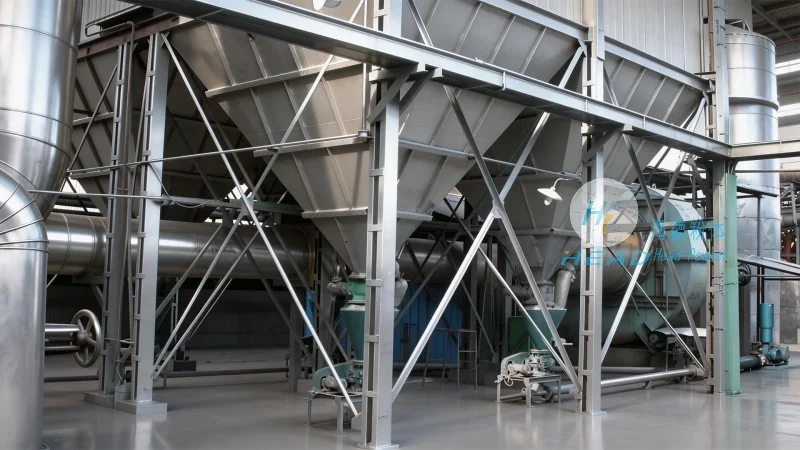
- Efficient Material Transport: They enable the rapid and continuous transport of limestone over long distances, improving production throughput and reducing labor costs.
- Reduced Maintenance: By eliminating mechanical components, the system experiences lower wear and tear, leading to reduced maintenance requirements and longer service life.
- Space Efficiency: Pneumatic conveying systems can be installed in confined spaces, making them ideal for facilities with limited floor space.
- Flexibility in Layout: The system can be easily reconfigured or expanded to accommodate changes in production needs or facility layout.
Conclusion
HeadPowder's expertise in designing and implementing limestone material pneumatic conveying lines ensures that industrial facilities can achieve efficient, reliable, and cost-effective material handling solutions. By understanding the core principles and working scene characteristics, companies can optimize their pneumatic conveying systems to meet specific operational requirements and enhance overall productivity.