

Principle and Working Scene Characteristics of High-Temperature Fly Ash Material Pneumatic Conveying
High-temperature fly ash, a byproduct of coal combustion in thermal power plants, presents unique challenges for material handling due to its temperature, particle size, and chemical properties. Traditional conveying methods often struggle with the thermal and abrasive nature of this material. The high-temperature fly ash pneumatic conveying system, developed by Shandong HeadPowder Engineering Co., Ltd., addresses these challenges through advanced engineering solutions tailored to the specific demands of fly ash transport. This equipment is designed to efficiently and safely convey hot fly ash from sources like boilers and cyclone separators to storage or processing facilities, ensuring minimal material loss and operational reliability.

Principle of Operation
The core principle of the high-temperature fly ash pneumatic conveying system is the use of compressed air or gas to create a flow that transports the material through a pipeline. In this system, the fly ash is introduced into a hopper or feeder, where it is then drawn into the conveying line by the pressure differential created by the air flow. The system typically operates under positive pressure, meaning the conveying air pushes the material forward, reducing the risk of material degradation and ensuring consistent flow rates. The design incorporates specialized components such as high-temperature-resistant ducts, rotary valves, and air locks to withstand the extreme temperatures and abrasive properties of the fly ash. The control system monitors pressure, flow rate, and temperature, adjusting the air supply to maintain optimal conveying conditions. This principle ensures that the material is transported efficiently while minimizing wear on the equipment and preventing the buildup of material in the system.

Key Components and Their Functions
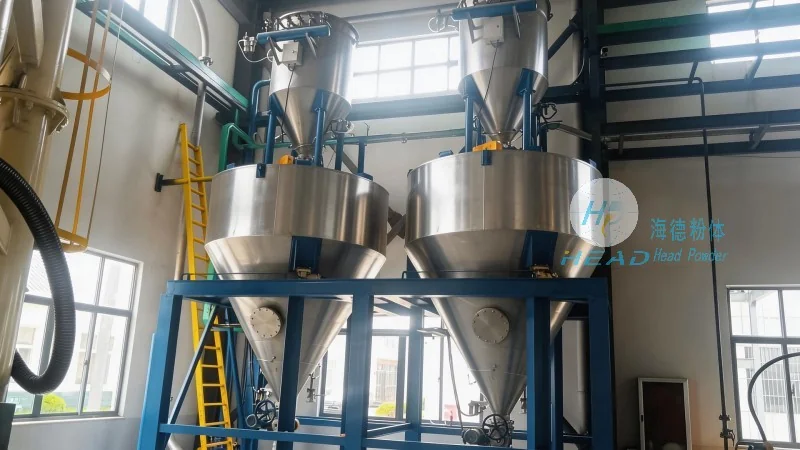
The high-temperature fly ash pneumatic conveying equipment consists of several critical components, each playing a vital role in the overall operation. The hopper or silo serves as the storage and feeding unit, where the fly ash is collected and prepared for transport. The rotary valve, often equipped with a high-temperature seal, controls the flow of material from the hopper into the conveying line, ensuring a consistent feed rate. The conveying pipeline, made from materials resistant to high temperatures and abrasion (such as stainless steel or specialized alloys), transmits the material under pressure. The air compressor or blower generates the necessary airflow, while the air filter and dryer maintain air quality and prevent moisture-related issues. The receiver or storage silo at the destination end collects the conveyed fly ash, and the system may include a dust collection unit to control emissions and ensure compliance with environmental regulations. Each component is designed to work in harmony, providing a reliable and efficient conveying solution for high-temperature fly ash.

Working Scene Characteristics
The application of high-temperature fly ash pneumatic conveying equipment is characterized by specific operational environments and requirements. These systems are commonly used in thermal power plants, where the fly ash is generated as a byproduct of coal combustion. The equipment is installed in areas where the fly ash is produced, such as near the boiler or cyclone separator, and transported to a central storage facility or to a cement plant for use as a supplementary cementitious material. The working scene typically involves high ambient temperatures, with the fly ash itself reaching temperatures of up to 200°C or higher. The equipment must therefore be designed to withstand these temperatures without degradation or failure. The conveying distance can vary from short distances within the plant to longer distances to off-site storage facilities, requiring the system to be scalable and adaptable. The operational environment may also include dust and particulate matter, necessitating robust filtration and sealing systems to maintain air quality and prevent contamination. The working scene characteristics highlight the need for a system that is not only efficient but also safe, reliable, and environmentally compliant, ensuring that the fly ash is handled in a manner that minimizes environmental impact and maximizes operational efficiency.
Advantages and Benefits
Implementing a high-temperature fly ash pneumatic conveying system offers several advantages over traditional conveying methods. First, it provides a continuous and automated conveying process, reducing the need for manual handling and minimizing material loss. The system operates with minimal maintenance, as the components are designed to withstand the harsh conditions of fly ash transport. The use of positive pressure conveying reduces the risk of material degradation, ensuring that the quality of the fly ash is maintained throughout the transport process. Additionally, the system is compact and can be integrated into existing plant infrastructure, saving space and reducing installation costs. The environmental benefits are significant, as the system reduces dust emissions and minimizes the risk of fly ash contamination. The high-temperature resistance of the equipment ensures long-term reliability, with components designed to last under extreme conditions. Overall, the high-temperature fly ash pneumatic conveying system provides a cost-effective and efficient solution for handling hot fly ash, enhancing operational performance and environmental compliance.