

Principle and Working Scene Characteristics of Pneumatic Conveying System for Aluminum Hydride Powde
HeadPowder, a leading engineering firm based in Shandong, China, specializes in the design and implementation of advanced pneumatic conveying systems tailored for aluminum hydride powder material. This article provides an in-depth exploration of the fundamental principles behind such systems, alongside an analysis of their operational characteristics and typical application environments.
Principle of Pneumatic Conveying Technology
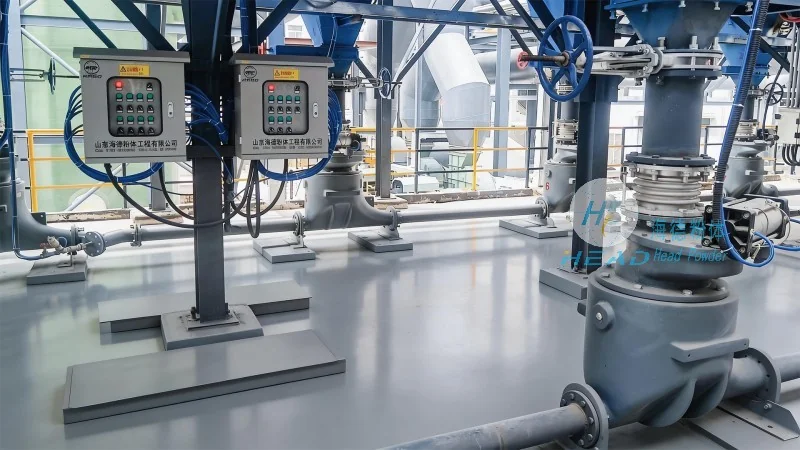
The core principle of pneumatic conveying for aluminum hydride powder involves the use of air or other gas streams to transport particulate materials through a pipeline network. This method relies on the generation of sufficient air velocity to overcome the gravitational and frictional forces acting on the powder particles, enabling them to be suspended and moved efficiently. The system typically comprises a series of components, including a material feed hopper, a rotary valve for controlled discharge, a conveying line with appropriate diameter and length, and a receiver for material deposition. The air flow is generated by a blower or fan, which provides the necessary pressure and velocity to ensure reliable material transport. The design of the conveying line, including bends, elbows, and expansion joints, is critical to minimize pressure drop and prevent particle deposition or blockage, which are common issues in handling fine or abrasive powders like aluminum hydride.
Working Scene Characteristics and Application Scenarios
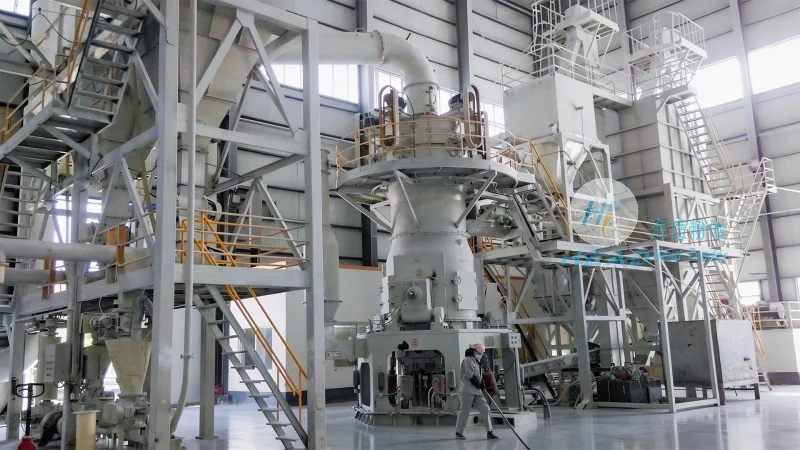
Aluminum hydride powder, due to its chemical properties and physical characteristics, requires specialized handling to ensure safety and efficiency. Pneumatic conveying systems are particularly well-suited for applications where the material needs to be transported over long distances or between multiple processing points without the need for mechanical components that could cause contamination or wear. Typical working scene characteristics include high-purity requirements, as aluminum hydride is often used in chemical synthesis or as a reducing agent, necessitating a closed system to prevent exposure to moisture or air. The systems are also designed to handle varying particle sizes and flow rates, making them adaptable to different production scales. In industrial settings, these systems are commonly employed in the production of aluminum compounds, hydrogen generation processes, or as part of larger chemical manufacturing lines where aluminum hydride is a key intermediate. The working environment may involve high temperatures or corrosive conditions, which the system’s materials of construction (such as stainless steel or specialized alloys) are engineered to withstand, ensuring long-term reliability and safety.
Technical Advantages and Practical Applications
Compared to traditional mechanical conveying methods (e.g., screw conveyors or belt conveyors), pneumatic conveying offers several distinct advantages for aluminum hydride powder. One of the primary benefits is the ability to handle fine, abrasive, or hygroscopic powders without the risk of product degradation or equipment wear. The closed system design minimizes dust emissions, enhancing workplace safety and compliance with environmental regulations. Additionally, pneumatic systems can be integrated with automated control systems, allowing for precise control over material flow rates, pressure, and temperature, which is crucial for maintaining product quality and process consistency. In practical applications, these systems are used in batch and continuous production processes, where the material needs to be transferred from storage silos to processing reactors or from reactors to storage tanks. The flexibility of pneumatic conveying also allows for easy reconfiguration of the system layout to accommodate changes in production requirements or facility expansions. Furthermore, the low maintenance requirements of well-designed pneumatic systems contribute to operational cost savings over time, as there are fewer moving parts and less risk of mechanical failure compared to traditional conveyors.

Company Profile and Service Scope
Shandong HeadPowder Engineering Co., Ltd., operating under the brand name HeadPowder, is a professional engineering company dedicated to providing comprehensive solutions for material handling and processing. With a strong focus on innovation and customer-centric design, HeadPowder has developed expertise in the design, manufacturing, and installation of pneumatic conveying systems for a wide range of industrial applications. The company’s team of experienced engineers and technicians utilizes advanced simulation tools and field testing to ensure that each system is optimized for the specific material properties and operational conditions of the client. HeadPowder’s service scope includes system design and engineering, equipment procurement, installation and commissioning, as well as ongoing maintenance and technical support. The company’s commitment to quality and safety is reflected in its adherence to international standards and certifications, ensuring that all systems meet the highest industry benchmarks. Based in Shandong, China, HeadPowder serves clients both domestically and internationally, delivering reliable and efficient material handling solutions that enhance productivity and reduce operational risks.