

Principles and Application Scenarios of Ammonium Nitrate Material Pneumatic Conveying
Pneumatic conveying technology has become a critical solution for the efficient handling and transportation of bulk materials, particularly in industries dealing with hazardous or sensitive substances like ammonium nitrate. This article explores the core principles behind pneumatic conveying systems and highlights the distinct characteristics of their application scenarios, with a focus on the expertise of Shandong HeadPowder Engineering Co., Ltd., a leading provider in this field.
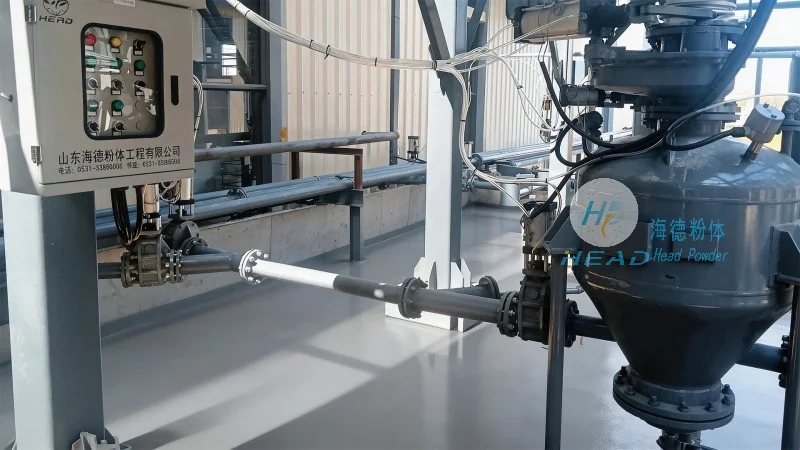
Company Overview: Shandong HeadPowder Engineering Co., Ltd.
HeadPowder, headquartered in Shandong, China, specializes in the design, manufacturing, and implementation of advanced material handling solutions. With a strong commitment to safety, efficiency, and innovation, the company has established itself as a trusted partner for industries requiring reliable pneumatic conveying systems for ammonium nitrate and other bulk materials. Their expertise spans from system design and engineering to on-site installation and commissioning, ensuring that each project meets the highest standards of performance and compliance.
The Fundamental Principles of Pneumatic Conveying for Ammonium Nitrate
At its core, pneumatic conveying uses a combination of air flow and pressure to transport solid materials through a pipeline. For ammonium nitrate, which is a highly sensitive and potentially hazardous material, the system design must adhere to strict safety protocols and material compatibility standards. The primary principles include:
1. **Air-Driven Transport**: The system generates a flow of air within the pipeline, either by creating a vacuum (negative pressure) or by using a positive pressure blower. This airflow lifts and propels the ammonium nitrate particles through the system.
2. **Material Suspension**: The velocity of the air must be sufficient to keep the ammonium nitrate particles suspended, preventing blockages and ensuring smooth transport. This requires precise control of air pressure and flow rate.
3. **System Segmentation**: Pneumatic conveying systems are often divided into sections, such as feed, transport, and discharge zones, each optimized for specific material handling tasks. For ammonium nitrate, this segmentation helps manage the material's flow characteristics and minimize the risk of agglomeration or caking.

4. **Safety and Control**: Given the explosive and reactive nature of ammonium nitrate, the system incorporates advanced safety features, including pressure relief valves, explosion-proof components, and real-time monitoring of air pressure and material flow. These controls ensure that the system operates within safe parameters and can quickly respond to any anomalies.
Key Working Scenarios and Characteristics of Ammonium Nitrate Pneumatic Conveying Systems
The application scenarios for ammonium nitrate pneumatic conveying systems vary based on the specific industrial requirements, such as production scale, material handling capacity, and operational environment. The following scenarios illustrate the typical characteristics and benefits of these systems:
1. **Inter-Plant Material Transfer**: In large-scale fertilizer production facilities, pneumatic conveying is used to transfer ammonium nitrate from storage silos to processing units or to other production sites. This method eliminates the need for manual handling and reduces the risk of material contamination or spillage. The system's ability to transport materials over long distances with minimal loss makes it ideal for inter-plant logistics.
2. **In-Plant Material Handling**: Within a single production facility, pneumatic conveying systems are employed to move ammonium nitrate between different processing stages, such as from grinding to mixing, or from mixing to packaging. The flexibility of pneumatic systems allows for seamless integration with existing production lines, improving overall operational efficiency and reducing downtime.

3. **Bulk Material Storage and Distribution**: For facilities that store large quantities of ammonium nitrate, pneumatic conveying systems are used to transfer material from storage silos to loading equipment or to distribution points. This ensures a continuous and controlled flow of material, preventing stockouts and maintaining consistent production rates. The system's ability to handle high volumes of material efficiently supports the smooth operation of storage and distribution operations.
4. **Specialized Application Scenarios**: In some cases, pneumatic conveying is used for specialized tasks, such as transporting ammonium nitrate in a controlled environment to minimize dust exposure or to comply with environmental regulations. The system's ability to operate in enclosed or semi-enclosed spaces makes it suitable for applications where dust control is critical, such as in indoor processing facilities or in areas with strict air quality standards.
Technical Advantages and Practical Applications in Industrial Settings
The adoption of pneumatic conveying systems for ammonium nitrate offers several technical advantages that enhance operational performance and safety. These advantages include:
- **High Efficiency and Throughput**: Pneumatic systems can transport large volumes of ammonium nitrate at high speeds, significantly reducing handling time and increasing production capacity compared to traditional methods like belt conveyors or manual handling.
- **Reduced Labor and Manual Handling**: By automating the material transport process, pneumatic systems minimize the need for manual labor, thereby reducing the risk of human error and workplace injuries. This also improves worker safety by eliminating the need to handle bulk materials manually.