

Principle and Working Scene Characteristics of Ferrous Sulfate Powder Pneumatic Conveying Equipment
Ferrous sulfate, commonly known as iron(II) sulfate, is a widely used chemical compound in various industrial applications, including water treatment, chemical manufacturing, and pharmaceutical production. The efficient and reliable transport of ferrous sulfate powder is crucial for maintaining production efficiency and ensuring product quality. Pneumatic conveying equipment has emerged as a key solution for handling such powders, offering advantages over traditional methods like belt conveyors or bucket elevators. This article explores the principle of ferrous sulfate powder pneumatic conveying equipment and highlights the key characteristics of its working scenes, providing insights into its practical applications.

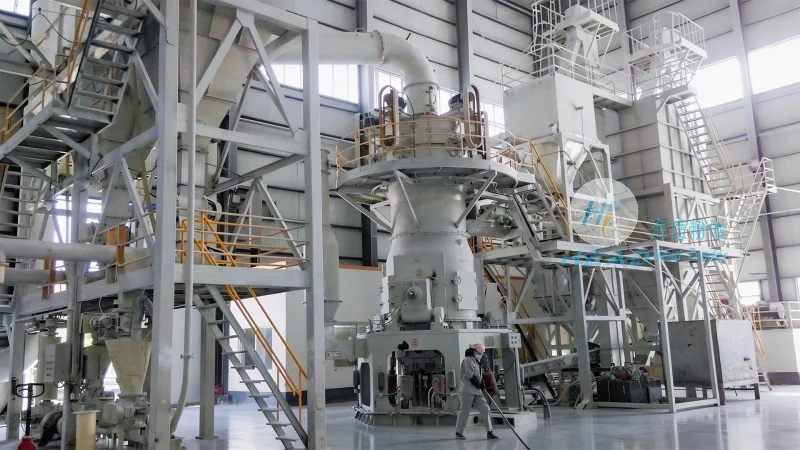
Principle of Ferrous Sulfate Powder Pneumatic Conveying Equipment
Pneumatic conveying systems utilize the force of compressed air or vacuum to transport bulk materials through a pipeline network. For ferrous sulfate powder, the equipment typically operates on one of two fundamental principles: positive pressure (pressure) or negative pressure (vacuum) systems. In a positive pressure system, compressed air is introduced into the material feed point, creating a pressure differential that propels the powder forward through the pipeline. This method is often preferred for long-distance or high-capacity conveying, as it can handle a wide range of particle sizes and moisture contents. The positive pressure system typically includes components such as a blower, a material feeder, a pipeline, and a receiver. The blower generates the necessary air pressure, while the feeder controls the flow rate of the ferrous sulfate powder into the system. The pipeline transports the mixture of powder and air to the destination, where a receiver separates the powder from the air, often using a cyclone or a filter. On the other hand, a negative pressure system operates by creating a vacuum in the pipeline, drawing the powder and air mixture into the system. This approach is suitable for applications where dust control is critical, as the sealed pipeline prevents dust from escaping into the environment. The negative pressure system may include a vacuum pump, a material hopper, and a filter to capture any fines. Both systems rely on the principle of fluidization, where the air flow causes the powder particles to become suspended and move through the pipeline. The design of the conveying system must consider factors such as the particle size distribution, bulk density, and flowability of the ferrous sulfate powder, as these properties directly impact the system's efficiency and performance. For instance, fine particles may require higher air velocities to prevent clogging, while larger particles might need a different feeder design to ensure consistent feeding. The choice between positive and negative pressure systems also depends on the specific application requirements, including the distance to be covered, the required conveying capacity, and the environmental regulations in the operating location.

Working Scene Characteristics of Ferrous Sulfate Powder Pneumatic Conveying Equipment
The working scenes of ferrous sulfate powder pneumatic conveying equipment vary widely across different industrial sectors, each presenting unique challenges and requirements. In water treatment facilities, for example, the equipment is used to transport ferrous sulfate as a coagulant, which helps in the removal of suspended solids and turbidity from water. The working environment in such facilities is often characterized by high humidity and the presence of other chemicals, necessitating equipment that is resistant to corrosion and easy to clean. The pneumatic conveying system must be able to handle the varying feed rates required by the treatment process, ensuring a consistent supply of ferrous sulfate to the reaction tanks. In chemical manufacturing plants, ferrous sulfate is used as an intermediate in the production of other chemicals, such as ferric chloride or organic compounds. The conveying equipment in these plants must be capable of handling larger quantities of powder and may need to integrate with other processing equipment, such as reactors or mixers. The working scene may involve multiple stages of conveying, where the powder is transferred from storage silos to processing units, and then to packaging areas. The equipment must be designed to minimize product loss and contamination, as even small amounts of impurities can affect the quality of the final product. In pharmaceutical and food processing industries, the use of ferrous sulfate is limited due to regulatory requirements, but in some cases, it is used as a supplement or in the production of certain medications. The working scene in these industries demands strict adherence to hygiene standards, with the pneumatic conveying system being made of stainless steel and equipped with filters to prevent cross-contamination. The equipment must also be easy to disassemble and clean to meet the stringent regulations of these sectors. Additionally, the working scene may involve the need for dust collection systems, as the handling of ferrous sulfate powder can generate significant dust, which poses health and safety risks. The design of the conveying system must include features such as dust traps and filters to ensure that the air released into the environment is clean and safe. The characteristics of the working scene also influence the choice of the conveying system's components. For example, in outdoor applications or in areas with high ambient temperatures, the equipment may need to be equipped with cooling systems to prevent overheating of the blower or other components. In contrast, indoor applications may require noise reduction measures to minimize the impact on the surrounding environment. The flexibility of the pneumatic conveying system is another key characteristic of its working scenes. Many industrial processes require the ability to change the direction of the conveying line or to switch between different destinations, which can be achieved through the use of valves and diverters. This flexibility allows the system to adapt to changing production needs and to optimize the flow of materials within the plant. The reliability of the equipment is also a critical factor in the working scene, as downtime can lead to significant losses in production. Therefore, the pneumatic conveying system is often designed with redundant components and regular maintenance schedules to ensure continuous operation. In summary, the working scene characteristics of ferrous sulfate powder pneumatic conveying equipment are diverse and depend on the specific industrial application. The equipment must be tailored to meet the unique requirements of each working scene, including factors such as material properties, environmental conditions, and regulatory standards. By understanding these characteristics, industries can select the most appropriate pneumatic conveying system to ensure efficient and safe transport of ferrous sulfate powder.

Company Information and Application Support
Shandong HeadPowder Engineering Co., Ltd., a leading manufacturer of pneumatic conveying equipment, specializes in providing customized solutions for the transport of various bulk materials, including ferrous sulfate. With a focus on innovation and quality, the company has developed advanced systems that meet the demanding requirements of modern industrial applications. HeadPowder's equipment is designed to handle a wide range of particle sizes and flow rates, ensuring reliable and efficient operation. The company's team of engineers and technicians works closely with clients to understand their specific needs and to design systems that optimize performance and reduce costs. HeadPowder's facilities are located in Shandong, China, where the company has established a strong presence in the industry. The company's commitment to customer satisfaction and product excellence has earned it a reputation as a trusted partner for businesses in various sectors. Whether for water treatment, chemical manufacturing, or other applications, HeadPowder provides comprehensive support, including installation, maintenance, and technical assistance. By choosing HeadPowder's pneumatic conveying equipment, industries can benefit from the reliability and efficiency of the system, ensuring smooth and continuous operation of their processes. The company's expertise in the field of bulk material handling makes it an ideal partner for businesses seeking to improve their material transport systems and enhance overall productivity.