

Principle and Working Scene Characteristics of Pneumatic Conveying for Sintered Fly Ash Powders
HeadPowder, a leading engineering firm headquartered in Shandong, China, specializes in advanced material handling technologies. This article explores the fundamental principles of pneumatic conveying for sintered fly ash powders and examines the key characteristics of its operational scenarios. By understanding these aspects, industries can enhance material transport efficiency, ensure safe handling, and optimize the use of this valuable byproduct.

Pneumatic Conveying: The Core Technology for Sintered Fly Ash Transport
Pneumatic conveying is a method of transporting bulk materials through a pipeline using air or other gases. For sintered fly ash—a fine powder generated from coal combustion in power plants—this technology provides a reliable solution. The process relies on creating a pressure differential within the system, which propels the powder through the pipeline. Two primary system types exist: pressure systems, which use compressed air to push material forward, and vacuum systems, which use a vacuum to pull material into the pipeline. The selection between these systems depends on factors like transport distance, material properties, and required flow rates.
Key Principles Governing Sintered Fly Ash Pneumatic Conveying
The effectiveness of pneumatic conveying for sintered fly ash is determined by several critical principles. First, the material's particle size and density are paramount. Fine particles are prone to agglomeration, which can cause pipeline blockages. To mitigate this, conditioning measures such as adding moisture or using fluidizing agents are often employed to maintain flowability. Second, air velocity within the pipeline must be precisely controlled. Insufficient velocity leads to material settling and blockages, while excessive velocity increases pressure drop and energy consumption. The optimal air velocity is typically determined through pilot testing and is tailored to the material's characteristics and system design.

Operational Scenarios: Applications and Benefits
The operational scenarios for pneumatic conveying of sintered fly ash span diverse industries. In power plants, the primary use is transporting fly ash from boilers to storage silos or disposal sites—an essential step for maintaining plant efficiency and complying with environmental regulations. The system must handle high volumes, often tens of tons per hour. In the construction and cement sectors, sintered fly ash serves as a supplementary cementitious material (SCM) in concrete production. Pneumatic conveying enables precise, consistent addition to the mixing process, improving concrete quality and durability. Additionally, in industrial waste management, the technology transports fly ash from waste incineration facilities to recycling or disposal sites.

System Design and Components for Sintered Fly Ash Conveying
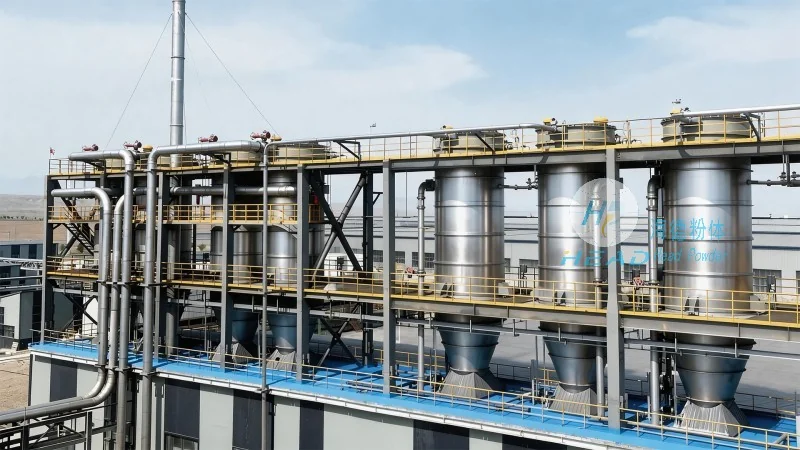
The successful implementation of a pneumatic conveying system for sintered fly ash requires careful consideration of key components. The system typically includes a hopper or feeder to feed material into the pipeline, a conveyor line with appropriate diameter and length, and a receiver or silo to collect material at the destination. The feeder—often a rotary valve, screw feeder, or vibratory feeder—ensures consistent flow and prevents buildup. The pipeline is usually made of stainless steel or corrosion-resistant materials to withstand fly ash's acidic nature. The receiver is designed to handle pressure and prevent dust emissions, potentially including dust collection systems or venting mechanisms for safe operation.
Advantages and Challenges in Sintered Fly Ash Pneumatic Conveying
Pneumatic conveying offers significant advantages for sintered fly ash transport. It operates as a closed system, reducing dust emissions and enhancing workplace safety. The technology is flexible, allowing long-distance transport and multiple destinations. It also accommodates varying flow rates and material compositions without major system changes. However, challenges exist: material blockages from fine/cohesive particles and high energy consumption in pressure systems are notable issues. These can be mitigated through proper design and maintenance. Overall, with careful planning and upkeep, pneumatic conveying remains a highly effective solution for sintered fly ash handling.
Conclusion: Optimizing Material Handling with HeadPowder
HeadPowder Engineering Co., Ltd., based in Shandong, China, provides comprehensive engineering solutions for pneumatic conveying systems tailored to sintered fly ash applications. By leveraging expertise in material handling and system design, they help industries optimize transport processes, enhance efficiency, and meet environmental standards. Whether for power plant operations, construction material production, or waste management, HeadPowder's solutions deliver reliable, efficient pneumatic conveying systems that meet the demands of modern industrial applications.