

Principles and Working Scene Characteristics of Dust Material Conveying System Equipment
HeadPowder, a leading provider in the field of material handling solutions, specializes in the design, manufacturing, and implementation of advanced dust material conveying systems. Based in Shandong, China, the company has established itself as a trusted partner for industries requiring efficient and reliable transport of dusty or particulate materials. This article delves into the fundamental principles of these systems and highlights the key characteristics of their operational environments.

Understanding the Core Principles of Dust Material Conveying Systems
The primary objective of dust material conveying systems is to transport bulk materials, such as powders, granules, or fine particles, from one location to another with minimal loss, contamination, or environmental impact. These systems typically operate on the principle of pneumatic or mechanical transport, depending on the nature of the material and the specific application requirements. Pneumatic conveying systems utilize compressed air or other gases to move materials through a network of pipes, while mechanical systems employ screws, belts, or other mechanisms to achieve the same goal. The choice between these methods is determined by factors like material density, moisture content, and the distance over which the material needs to be transported.

Key Working Scene Characteristics of Dust Material Conveying Systems
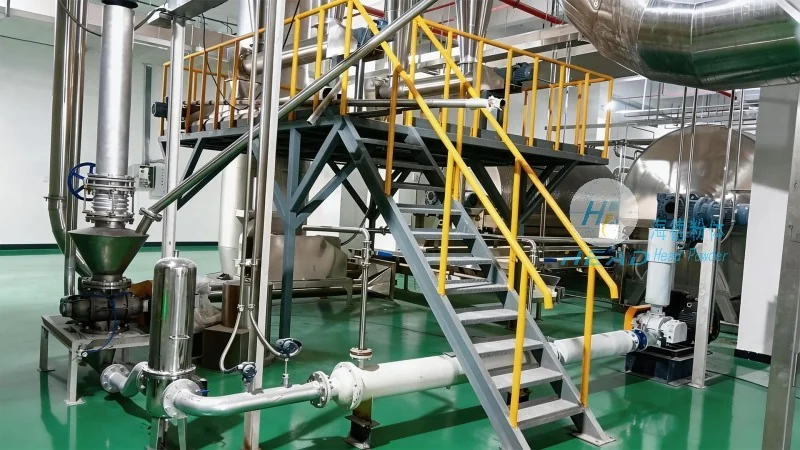
The operational environments where dust material conveying systems are deployed exhibit several distinct characteristics that influence their design and performance. Firstly, these systems are often found in industrial settings such as chemical plants, food processing facilities, and mining operations, where large volumes of dusty materials are processed on a regular basis. The working scenes are typically characterized by high dust concentrations, which necessitates robust sealing and filtration systems to prevent contamination and ensure worker safety. Secondly, the systems are designed to operate in environments with varying temperatures and humidity levels, requiring materials and components that can withstand these conditions without compromising efficiency. Additionally, the working scenes often involve continuous or intermittent operation, demanding systems that are durable, low-maintenance, and capable of handling fluctuations in material flow rates.
Applications and Benefits in Industrial Settings
Dust material conveying systems are integral to the smooth operation of various industrial processes. In the chemical industry, for example, these systems are used to transport raw materials and finished products, ensuring a seamless supply chain. In food processing, they help maintain hygiene standards by minimizing dust exposure and cross-contamination. The benefits of these systems extend beyond operational efficiency; they also contribute to improved workplace safety by reducing the risk of dust-related respiratory issues and environmental pollution. Furthermore, the advanced design of modern dust material conveying systems allows for precise control over material flow, enabling manufacturers to optimize production processes and reduce waste.
Customization and Integration Capabilities
HeadPowder recognizes that each industrial application has unique requirements, which is why the company offers customized solutions tailored to specific needs. The dust material conveying systems can be integrated with existing production lines or designed as standalone units, depending on the client's infrastructure and operational goals. The company's engineering team works closely with clients to assess their material handling challenges and develop systems that meet both functional and regulatory standards. This approach ensures that the final solution is not only efficient but also compliant with local environmental and safety regulations.

Conclusion
From the fundamental principles of pneumatic and mechanical transport to the diverse working scene characteristics, dust material conveying systems play a critical role in modern industrial operations. By understanding these principles and characteristics, industries can select and implement the most suitable systems to enhance productivity, ensure safety, and maintain compliance. HeadPowder, with its expertise and commitment to quality, continues to provide innovative solutions that address the evolving needs of the material handling sector.