

Principle and Working Scene Characteristics of Bulk Bag Unloading Station Material Conveying System
HeadPowder, a leading engineering company based in Shandong, China, specializes in the design and implementation of efficient material handling solutions. This article delves into the core principles and operational characteristics of bulk bag unloading station material conveying systems, providing insights into how these systems enhance industrial efficiency and material flow management.
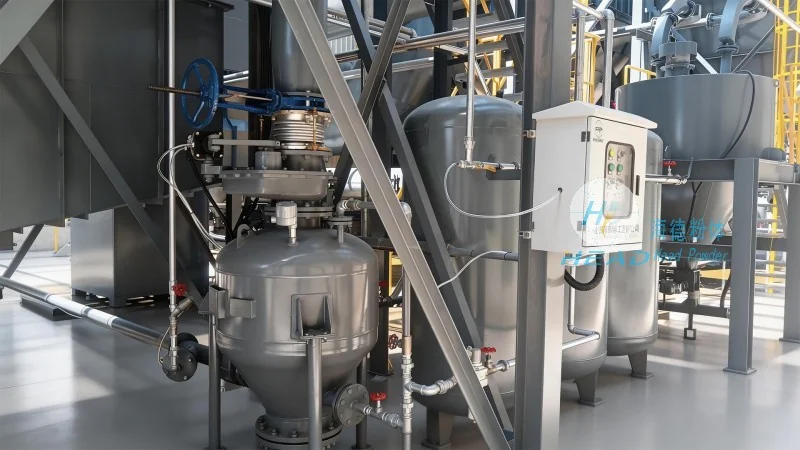
Understanding the Core Principle of Bulk Bag Unloading Station Material Conveying Systems
The fundamental principle of bulk bag unloading station material conveying systems revolves around the seamless transfer of bulk materials from flexible containers, such as super sacks or FIBCs, into processing or storage facilities. These systems are engineered to automate the unloading process, reducing manual labor, minimizing material loss, and ensuring consistent material flow. The system typically integrates components like bulk bag lifting mechanisms, discharge chutes, and conveyor belts or pneumatic transport lines, working in concert to facilitate the smooth movement of bulk materials from the bag to the next stage of production or storage.

Key Working Scene Characteristics and Applications
Bulk bag unloading station material conveying systems are deployed across diverse industrial sectors, including chemical, food processing, pharmaceuticals, and mining. Their adaptability to various material types—ranging from powders and granules to liquids and slurries—makes them indispensable in environments where material handling efficiency and safety are paramount. The working scene characteristics of these systems include:
- High Throughput and Continuous Operation: Designed to handle large volumes of material at a steady pace, these systems support continuous production lines, ensuring uninterrupted workflow and maximizing operational efficiency.
- Space Optimization and Integration: Compact and modular designs allow for integration into existing facilities, making them suitable for both new installations and retrofitting in existing industrial setups. This adaptability minimizes the need for extensive site modifications.
- Material Safety and Contamination Prevention: Advanced sealing and discharge mechanisms prevent material spillage and cross-contamination, maintaining product integrity and adhering to stringent industry standards, particularly in sectors like food and pharmaceuticals.
- Automation and Reduced Labor Intensity: By automating the unloading and conveying process, these systems reduce the reliance on manual labor, lowering operational costs and minimizing the risk of human error or injury associated with handling heavy or hazardous bulk bags.
HeadPowder's Expertise in Designing and Implementing These Systems
As a reputable engineering firm based in Shandong, China, HeadPowder brings extensive experience to the design, manufacturing, and installation of bulk bag unloading station material conveying systems. The company's team of engineers and technicians collaborates closely with clients to understand their specific operational needs, material characteristics, and facility constraints. This client-centric approach ensures that the final system is tailored to meet exact requirements, optimizing performance and longevity.

HeadPowder employs state-of-the-art technology and robust materials in the construction of these systems, ensuring durability and reliability under demanding industrial conditions. The company adheres to international quality standards and safety protocols, providing comprehensive after-sales support, including maintenance, spare parts supply, and technical assistance, to guarantee the long-term effectiveness of the installed systems.