

Principles and Working Scene Characteristics of Compound Fertilizer Material Conveying
Shandong HeadPowder Engineering Co., Ltd., commonly known as headpowder, is a professional enterprise based in China, Shandong. The company specializes in the design, manufacturing, and installation of conveying systems tailored for the compound fertilizer industry. With a strong focus on technological innovation and customer-centric solutions, headpowder has established itself as a reliable partner in the field of material handling for agricultural fertilizers.


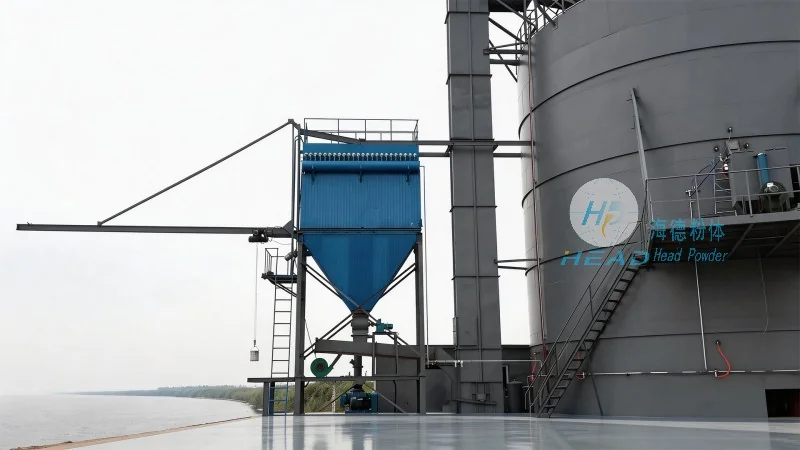

The Principles of Compound Fertilizer Material Conveying
Conveying systems for compound fertilizers are engineered to handle bulk materials efficiently, ensuring smooth and continuous operation from raw material intake to final product discharge. The core principle involves the use of specialized equipment such as screw conveyors, belt conveyors, and pneumatic conveyors, each designed to address specific material characteristics and processing requirements. For instance, screw conveyors are ideal for handling granular or powdery fertilizers due to their ability to maintain a consistent flow and minimize material degradation. Belt conveyors, on the other hand, are suitable for larger particle sizes and higher throughput, providing robust and reliable transport over longer distances. Pneumatic conveyors offer flexibility in vertical and horizontal transport, particularly useful in complex processing lines where space constraints are a factor. The selection of the appropriate conveying method depends on factors like material density, moisture content, and the desired processing speed, all of which are critical to optimizing production efficiency.
Working Scene Characteristics of Compound Fertilizer Material Conveying
The working scene characteristics of compound fertilizer material conveying systems are shaped by the unique demands of the fertilizer production process. These systems operate in environments that require high durability and resistance to corrosion, as fertilizers often contain acidic or alkaline components that can affect equipment longevity. Additionally, the systems must be designed to handle varying material compositions, such as blends of nitrogen, phosphorus, and potassium (NPK) with other additives like micronutrients or soil conditioners. This variability necessitates flexible and adaptable conveying solutions that can accommodate different particle sizes and flow rates. Another key characteristic is the need for integration with other production equipment, such as mixers, granulators, and packaging machines. The conveying system must ensure seamless material transfer without interruptions, maintaining a consistent supply to downstream processes. Furthermore, safety and operational efficiency are paramount, as fertilizer plants handle large volumes of material and require systems that minimize downtime and maximize productivity. The working scene also involves considerations of space optimization, as fertilizer production facilities often have limited floor space, demanding compact and efficient conveying solutions that can be integrated into existing layouts without compromising performance.