

Principles and Working Scene Characteristics of Polypropylene Powder Conveying Lines
HeadPowder, a leading engineering company based in Shandong, China, specializes in the design and implementation of efficient polypropylene powder conveying systems. These systems are engineered to handle the unique challenges associated with transporting polypropylene powder, a material widely used in various industrial applications. Understanding the principles behind these conveying lines and the specific working scene characteristics is crucial for optimizing material handling processes in manufacturing environments.
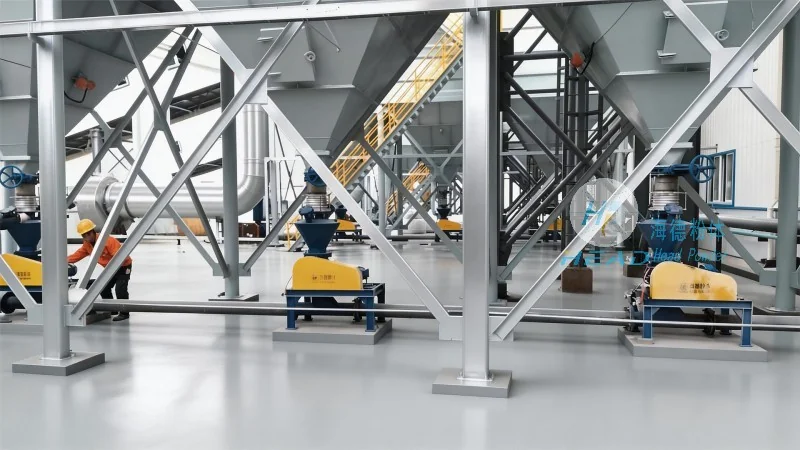
Polypropylene powder, known for its lightweight and granular structure, requires specialized equipment to ensure safe and efficient transport. The core principle of polypropylene powder conveying lines involves the use of positive displacement or pneumatic systems to move the material from one location to another. Positive displacement pumps, such as rotary lobe or screw pumps, are commonly employed to provide consistent pressure and flow rates, preventing material degradation and ensuring minimal product loss. Pneumatic conveying systems, on the other hand, utilize compressed air to transport the powder through pipelines, offering flexibility in system design and reduced maintenance requirements.

The working scene characteristics of polypropylene powder conveying lines are tailored to the specific needs of industrial settings. In manufacturing facilities, these systems are often integrated into production lines to facilitate the seamless transfer of raw materials to processing units. The design of the conveying line must consider factors such as the material's flowability, dust control, and the need for containment to meet safety and environmental regulations. For example, in polymer processing plants, the conveying line may connect storage silos to extrusion machines, ensuring a continuous supply of polypropylene powder without interruptions. The system's ability to handle varying powder loads and maintain consistent pressure is essential for maintaining production efficiency and product quality.

Another key aspect of polypropylene powder conveying lines is the integration of control systems that monitor and regulate the flow of material. Advanced sensors and control panels allow operators to adjust the conveying rate in real-time, responding to changes in production demand or material availability. This level of automation enhances operational flexibility and reduces the risk of material buildup or system failures. Additionally, the use of corrosion-resistant materials in the construction of the conveying line ensures durability and longevity, especially when handling polypropylene powder that may contain additives or moisture.
HeadPowder's expertise in engineering these systems is evident in the tailored solutions they provide to clients. By considering the specific characteristics of polypropylene powder, such as its particle size distribution and moisture content, the company designs conveying lines that optimize material transport while minimizing energy consumption. The working scene characteristics of these systems are adapted to the client's production environment, whether it involves high-volume continuous production or intermittent batch processing. This adaptability makes polypropylene powder conveying lines versatile and suitable for a wide range of industrial applications, from plastic manufacturing to chemical processing.

In conclusion, the principles and working scene characteristics of polypropylene powder conveying lines are critical to the efficient operation of industrial facilities. By leveraging advanced engineering and material handling technologies, companies like HeadPowder ensure that polypropylene powder is transported safely, efficiently, and with minimal environmental impact. The integration of positive displacement and pneumatic systems, combined with sophisticated control mechanisms, results in a reliable solution that meets the demands of modern manufacturing processes. As a result, businesses can enhance their production capabilities and maintain a competitive edge in the market by investing in high-quality polypropylene powder conveying systems.