

Principle and Working Scene Characteristics of Red Mud Powder Conveying Lines
Red mud, a byproduct of bauxite processing in the aluminum industry, poses significant challenges in handling and transportation due to its high moisture content, abrasive nature, and variable particle size. The red mud powder conveying line is a specialized system designed to address these challenges efficiently, ensuring safe and reliable transport of red mud from processing facilities to disposal or further treatment sites. This article explores the fundamental principles behind such systems and highlights key working scene characteristics that define their application in industrial settings.

Principle of Red Mud Powder Conveying Lines
The core principle of red mud powder conveying lines revolves around the selection and integration of appropriate conveying technologies tailored to the unique properties of red mud. Common methods include pneumatic conveying (both positive and negative pressure systems) and mechanical conveying (such as screw conveyors, belt conveyors, and bucket elevators). Pneumatic systems are particularly effective for handling fine, dry powders like red mud, as they can transport materials over long distances with minimal maintenance. The choice of system depends on factors like the moisture level, particle size distribution, and the required conveying distance. For example, positive pressure systems use compressed air to push the material through a pipeline, while negative pressure systems use suction to draw the material in. Mechanical conveyors, on the other hand, rely on mechanical motion to move the material, often being more suitable for bulkier or wetter materials where air flow might be insufficient.
Working Scene Characteristics of Red Mud Powder Conveying Lines
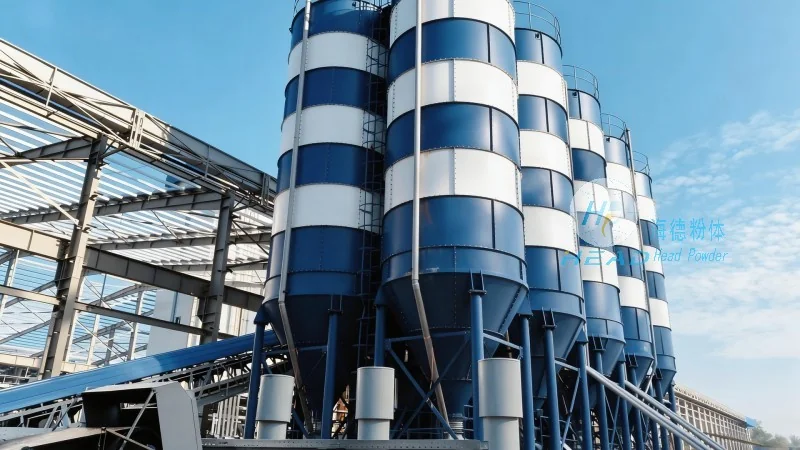
The working scene characteristics of red mud powder conveying lines are shaped by the diverse industrial environments where they are deployed. These systems are typically found in aluminum smelting plants, where red mud is generated as a byproduct of the Bayer process. The primary working scene involves the continuous removal of red mud from the digestion and filtration stages, transporting it to storage or disposal areas. The line must be designed to handle high volumes of material, often in large-scale operations, and withstand the abrasive effects of red mud on equipment components. Another key working scene is in the chemical and mineral processing industries, where red mud may be used as a raw material or processed further. In such cases, the conveying line may need to integrate with other processing equipment, such as crushers or classifiers, to ensure a consistent flow of material. Environmental considerations also play a role in the working scene, as red mud is often considered a hazardous waste, requiring containment and controlled transport to prevent environmental contamination. The design of the conveying line must therefore incorporate features like dust suppression and leak-proofing to minimize the risk of dust emissions and material spillage.

Application Examples and Performance Metrics
Real-world applications of red mud powder conveying lines demonstrate their effectiveness in various industrial scenarios. For instance, in a large aluminum plant in Shandong, China, a pneumatic conveying system was implemented to transport red mud from the filtration area to a storage silo. The system was designed to handle up to 500 tons of red mud per hour, with a conveying distance of 1.2 kilometers. Performance metrics, such as material flow rate, pressure drop, and system efficiency, were closely monitored to ensure optimal operation. The system achieved a consistent flow rate with minimal downtime, reducing the risk of material buildup and associated safety hazards. Another example is in a chemical processing facility where red mud is used as a filler in cement production. The conveying line integrated with a crusher and classifier to process the red mud into a finer powder, which was then transported to the cement mixing plant. The system's ability to handle varying particle sizes and moisture levels made it suitable for this application, ensuring a stable supply of material for the production process.
Key Features and Advantages of Red Mud Powder Conveying Lines
Red mud powder conveying lines offer several key features and advantages that make them ideal for handling this challenging material. One of the primary advantages is their ability to transport red mud over long distances without the need for intermediate storage or transfer points, which reduces operational costs and improves efficiency. The systems are also designed to be robust and durable, with components made from materials resistant to corrosion and abrasion, such as stainless steel or high-grade alloys, to withstand the harsh conditions of red mud handling. Additionally, modern conveying lines incorporate advanced control systems that allow for real-time monitoring and adjustment of parameters like pressure, flow rate, and temperature, ensuring optimal performance and minimizing the risk of system failures. The use of automated controls also enhances safety by reducing the need for manual intervention in hazardous environments. Furthermore, the systems are designed to minimize environmental impact by incorporating dust suppression and containment measures, which comply with environmental regulations and reduce the risk of pollution.

Conclusion and Company Information
In conclusion, red mud powder conveying lines are essential components in the aluminum and related industries, providing efficient and reliable transport of this challenging byproduct. The principles behind these systems, combined with their working scene characteristics, ensure that they can handle the unique properties of red mud while meeting the demands of industrial operations. As a leading provider of engineering solutions for powder handling, Shandong HeadPowder Engineering Co., Ltd. specializes in designing and manufacturing customized red mud powder conveying lines tailored to the specific needs of clients. With a focus on durability, efficiency, and environmental compliance, the company's systems are designed to deliver long-term performance and reliability. HeadPowder, as the company is commonly known, has extensive experience in the field and serves clients across China, including major aluminum plants and chemical processing facilities. The company's headquarters is located in Shandong, China, where it continues to innovate and develop advanced solutions for powder handling challenges. By leveraging its expertise and commitment to quality, HeadPowder provides effective solutions for red mud transportation, contributing to the sustainable management of this industrial byproduct.