

Principle and Working Scene Characteristics of Sponge Sand Pneumatic Conveying Systems
HeadPowder, a leading provider in the field, specializes in advanced pneumatic conveying solutions tailored for the efficient handling of sponge sand. This article delves into the core principles of sponge sand pneumatic conveying systems and highlights the key working scene characteristics that make them indispensable in various industrial applications.

Understanding the Core Principle of Sponge Sand Pneumatic Conveying
The fundamental principle of sponge sand pneumatic conveying systems revolves around the use of compressed air to transport granular materials like sponge sand through a pipeline. Unlike traditional mechanical conveyors, this method eliminates the need for moving parts such as belts or buckets, reducing maintenance requirements and operational costs. The system operates by creating a pressure differential between the inlet and outlet of the pipeline, where the compressed air propels the sand particles forward. This process is often categorized into two main types: dilute phase and dense phase conveying, each offering distinct advantages based on the material properties and required transport distances.
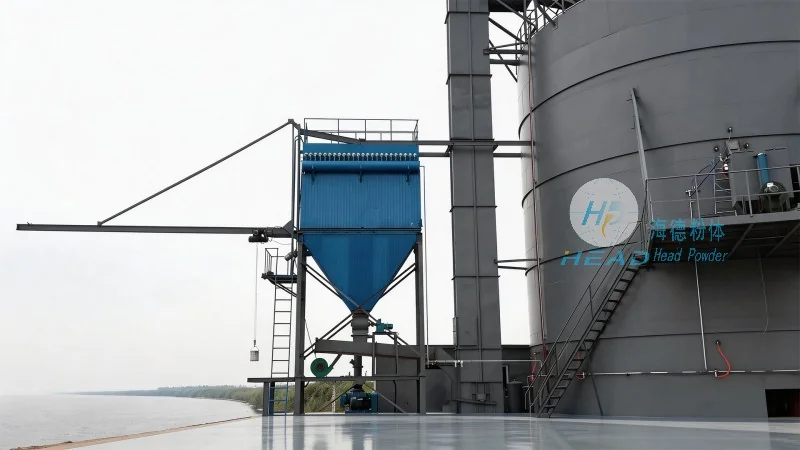
Key Working Scene Characteristics of Sponge Sand Pneumatic Conveying Systems
Several critical characteristics define the operational effectiveness of sponge sand pneumatic conveying systems across different industrial settings. Firstly, the system's ability to handle abrasive materials without significant wear and tear on components is a major advantage. Sponge sand, being a fine-grained material, can be abrasive, but the design of the conveying pipeline and air distribution system minimizes this impact. Secondly, the flexibility in layout and integration with existing industrial infrastructure is a standout feature. Unlike rigid mechanical conveyors, pneumatic systems can be easily reconfigured or expanded to accommodate changes in production processes or facility expansions. Thirdly, the system's capacity to maintain consistent material flow rates and pressure levels ensures reliable and continuous operation, which is crucial for maintaining production efficiency in manufacturing environments.

Application Scenarios and Industry Integration
Sponge sand pneumatic conveying systems are widely adopted in industries where the handling of fine, dry materials is essential. In the construction sector, these systems are used for transporting sand from storage silos to mixing plants, ensuring a steady supply of raw materials for concrete production. The automotive industry also benefits from these systems, as they efficiently convey sand used in surface finishing and polishing processes. Additionally, in the chemical and pharmaceutical industries, the systems are employed to transport sand-based filtration media or abrasive powders used in manufacturing processes. The adaptability of the system to different operational pressures and flow rates makes it suitable for a broad range of applications, from small-scale laboratory setups to large-scale industrial production lines.
Advantages and Operational Considerations
Implementing sponge sand pneumatic conveying systems offers several advantages over traditional conveying methods. The primary benefit is the reduction in labor costs and maintenance expenses, as there are no moving parts that require regular servicing. Furthermore, the system's ability to operate in a dust-free environment enhances workplace safety and compliance with environmental regulations. However, operational considerations must be taken into account, such as the need for proper air filtration to prevent dust accumulation and the importance of regular system checks to maintain optimal performance. The system's efficiency also depends on the quality of the compressed air, as contaminants can affect the conveying process and reduce the lifespan of components.

Conclusion and Company Overview
HeadPowder Engineering Co., Ltd., based in Shandong, China, is at the forefront of developing and manufacturing advanced pneumatic conveying systems for the sponge sand industry. With a focus on innovation and customer-centric solutions, the company ensures that its products meet the highest standards of efficiency, reliability, and durability. By understanding the unique characteristics of sponge sand and the specific requirements of different working scenes, HeadPowder provides tailored solutions that enhance operational performance and reduce costs for its clients. The company's commitment to quality and customer satisfaction has established it as a trusted partner in the global market for pneumatic conveying technologies.