

Principle and Working Scenario Characteristics of Oil Tea Seed Pneumatic Conveying
Oil tea seed pneumatic conveying systems represent a sophisticated method for transporting oil tea seeds efficiently and reliably. This technology is integral to modern processing facilities, offering advantages such as reduced labor costs, minimized contamination risks, and enhanced operational flexibility. The following sections delve into the fundamental principles of pneumatic conveying, alongside an exploration of key working scenario characteristics that define its application in oil tea seed handling.

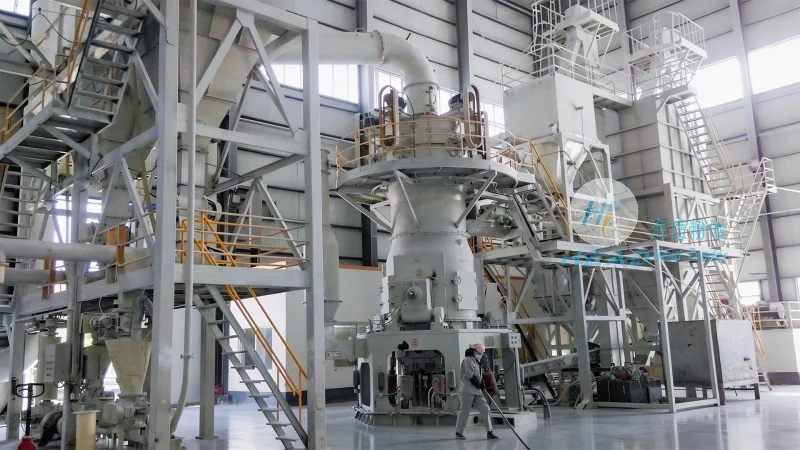
Company Introduction and Background
Shandong HeadPowder Engineering Co., Ltd., based in Shandong, China, specializes in the design, manufacturing, and implementation of advanced material handling solutions. With a focus on precision engineering and customer-centric service, the company has established itself as a trusted partner in the agricultural processing industry. HeadPowder's expertise in pneumatic conveying systems is particularly relevant for applications involving oil tea seeds, which require specialized equipment to ensure optimal processing outcomes.

The Principle of Oil Tea Seed Pneumatic Conveying
Pneumatic conveying operates on the principle of using air to transport solid materials through a pipeline system. In the context of oil tea seeds, this process involves generating a flow of air within a sealed tube, which then draws the seeds into the system. The key components of a typical pneumatic conveying setup include a hopper for seed storage, a feeder to control the flow rate, a conveying line, and a receiver for the discharged seeds. The system may employ either positive or negative pressure, depending on the specific requirements of the application. Positive pressure systems use blowers to force air and seeds through the line, while negative pressure systems create a vacuum to draw materials from the source. For oil tea seeds, the choice of pressure type often depends on factors such as seed size, moisture content, and the distance over which the material needs to be conveyed. The air velocity within the pipeline is critical, as it must be sufficient to maintain the seeds in suspension while preventing particle degradation or blockages. Proper air velocity ensures that the seeds remain entrained in the air stream, allowing for smooth and continuous transport. Additionally, the design of the conveying line, including the use of bends, elbows, and expansion joints, is crucial for maintaining consistent air flow and preventing pressure losses that could lead to system inefficiencies.

Working Scenario Characteristics of Oil Tea Seed Pneumatic Conveying
The working scenario characteristics of oil tea seed pneumatic conveying systems are tailored to the unique properties of the seeds and the operational needs of processing facilities. These characteristics include considerations related to seed handling, system efficiency, and environmental factors. One key characteristic is the ability to handle seeds with varying sizes and shapes, which is essential given the natural variability of oil tea seeds. The conveying system must be capable of processing both whole seeds and possibly ground or crushed materials, depending on the downstream processing steps. Another important characteristic is the system's capacity to maintain seed quality during transport. This involves minimizing exposure to moisture, temperature fluctuations, and physical damage, all of which can affect the oil extraction efficiency and overall product quality. The design of the conveying line, including the use of smooth, non-stick surfaces and appropriate air filtration, plays a vital role in preserving seed integrity. Furthermore, the working scenario may involve integration with other processing equipment, such as cleaning machines, sieving units, or oil extraction presses. The pneumatic conveying system must be compatible with these downstream processes, ensuring seamless material transfer and optimal workflow. The operational flexibility of the system is also a significant characteristic, as it allows for adjustments in conveying speed, pressure, and flow rate to accommodate varying production volumes or changes in seed characteristics. This adaptability is particularly valuable in dynamic processing environments where production demands may fluctuate. Environmental considerations also factor into the working scenario, as the system must be designed to minimize dust emissions and comply with local regulations regarding air quality. Advanced filtration systems and sealed conveying lines help to mitigate dust generation, contributing to a safer and more sustainable operation. The working scenario may also involve the use of automated controls, such as sensors and programmable logic controllers (PLCs), to monitor and regulate the conveying process. These controls enhance system reliability and reduce the need for manual intervention, improving overall operational efficiency.