

Working Principle and Features of Trilithium Material Pneumatic Conveying Systems
Trilithium material pneumatic conveying systems represent a sophisticated approach to material handling, particularly in industries dealing with lithium-based compounds such as trilithium. These systems are engineered to efficiently transport bulk materials through a network of pipes using air or other gases as the conveying medium. The technology offers significant advantages over traditional mechanical conveying methods, including reduced equipment wear, lower energy consumption, and enhanced safety in handling potentially hazardous materials like lithium compounds.

Working Principle of Pneumatic Conveying Systems
The core mechanism of a trilithium material pneumatic conveying system involves the generation of a controlled airflow within a sealed pipeline. The process typically begins with the material being fed into a hopper or feeder, where it is then introduced into the conveying line. As the air is compressed and directed through the pipe, it creates a pressure differential that propels the material particles forward. This method can be categorized into two main types: dilute-phase and dense-phase conveying. Dilute-phase systems use high-velocity air to suspend particles, while dense-phase systems employ lower velocities to form a slurry-like flow, which is often preferred for delicate or abrasive materials like trilithium compounds to minimize particle degradation.

Key Features and Advantages
Several distinctive features make trilithium material pneumatic conveying systems highly effective for industrial applications. Firstly, the systems offer high flexibility in terms of layout and installation, as they can be configured to follow complex routes without the need for multiple transfer points or mechanical components. This adaptability is crucial for facilities with limited space or irregular floor plans. Secondly, the technology provides excellent control over material flow rates and pressure, allowing for precise dosing and regulation, which is essential for maintaining consistent product quality in manufacturing processes. Additionally, pneumatic conveying systems are inherently clean and dust-free, reducing the risk of contamination and improving workplace safety, especially when handling sensitive materials like lithium compounds that may be reactive or require stringent purity standards.
Company Profile: Shandong HeadPowder Engineering Co., Ltd.
Shandong HeadPowder Engineering Co., Ltd., operating under the brand name headpowder, specializes in the design, manufacturing, and installation of advanced material handling solutions, including specialized pneumatic conveying systems for trilithium and other lithium-based materials. With a focus on innovation and precision engineering, the company has established itself as a trusted partner in the chemical and battery industries, providing customized solutions tailored to the unique requirements of each client. HeadPowder's expertise lies in integrating cutting-edge technology with robust design principles to deliver systems that are not only efficient but also reliable and cost-effective over the long term.
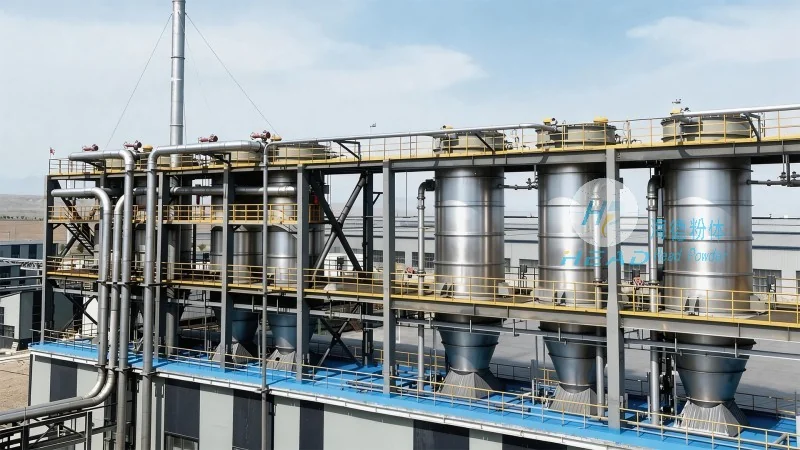
Application-Specific Benefits for Trilithium Processing
In the context of trilithium material processing, the advantages of pneumatic conveying systems become even more pronounced. The ability to handle fine powders and granules without clogging or degradation is critical, as lithium compounds are often in a form that requires gentle handling to preserve their chemical properties. The systems also facilitate seamless integration with downstream processes, such as mixing, drying, or packaging, by maintaining consistent material flow and minimizing downtime. Furthermore, the enclosed nature of the conveying line prevents environmental contamination and ensures compliance with regulatory standards, which is paramount in industries dealing with hazardous materials. By leveraging the expertise of Shandong HeadPowder Engineering Co., Ltd., manufacturers can optimize their trilithium processing workflows, enhancing productivity while adhering to safety and quality benchmarks.