

Working Principle and Features of Iron Ore Powder Material Pneumatic Conveying Lines
Iron ore powder is a critical raw material in the steel industry, and efficient material handling is essential for maintaining production efficiency and reducing operational costs. Pneumatic conveying systems have emerged as a reliable solution for transporting iron ore powder from storage to processing units. This article explores the working principle and key features of iron ore powder pneumatic conveying lines, highlighting how they enhance material handling processes in industrial settings.
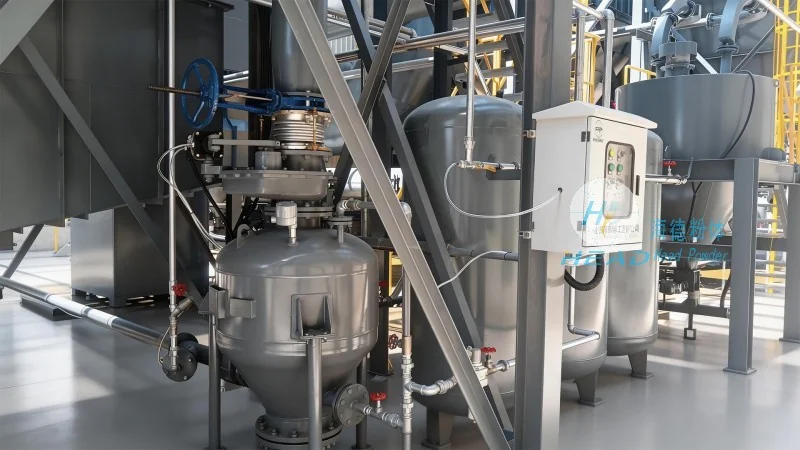
HeadPowder, a leading provider of engineering solutions, specializes in designing and manufacturing advanced pneumatic conveying systems tailored to the unique needs of iron ore processing facilities. With a focus on innovation and quality, the company has established itself as a trusted partner in the industry, delivering systems that optimize material flow and improve overall operational performance.
Located in Shandong, China, Shandong HeadPowder Engineering Co., Ltd. leverages decades of experience and cutting-edge technology to develop customized pneumatic conveying solutions. The company's expertise in material handling ensures that each system is engineered to meet the specific requirements of iron ore powder transportation, whether for short or long distances, and under varying operational conditions.
Working Principle of Iron Ore Powder Pneumatic Conveying Lines
The core of an iron ore powder pneumatic conveying system is its ability to transport dry bulk materials using air pressure. There are two primary types of pneumatic conveying systems: positive pressure and negative pressure. Positive pressure systems, also known as pressure conveying, use a blower or compressor to generate air pressure that pushes the material through the pipeline. This method is suitable for long-distance and high-capacity applications, as it can handle larger volumes of material and maintain consistent flow rates.

Negative pressure systems, or vacuum conveying, use a vacuum pump to create a low-pressure environment that draws the material into the pipeline. This approach is ideal for short-distance and low-volume applications, particularly when the material needs to be transported from a lower elevation to a higher one. Both systems rely on a network of pipes, valves, and control devices to regulate the flow of material and air, ensuring smooth and efficient operation.
Key components of a pneumatic conveying line include the material feed hopper, which stores and feeds the iron ore powder into the system; the air compressor or vacuum pump, which provides the necessary pressure or vacuum; the pipeline network, which transports the material; and the discharge hopper, which collects the material at the destination. The system operates by introducing air into the material, creating a mixture that is then propelled through the pipes. The air is typically filtered and recycled to minimize waste and maintain air quality.
Key Features and Advantages of Iron Ore Powder Pneumatic Conveying Lines
Iron ore powder pneumatic conveying systems offer several advantages over traditional material handling methods, such as belt conveyors or bucket elevators. One of the most significant benefits is their ability to handle fine and dusty materials without causing contamination or clogging. The enclosed pipeline system prevents dust from escaping into the environment, making it a more environmentally friendly option compared to open systems.

Another key feature is the flexibility of pneumatic conveying systems. They can be easily reconfigured to accommodate changes in production volume or layout, allowing for scalability as the facility grows. The systems are also capable of transporting materials at high speeds, reducing the time required for material transfer and improving overall production efficiency.
Additionally, pneumatic conveying lines are highly efficient in terms of energy consumption. By using air as the primary transport medium, the systems minimize the need for mechanical components, such as belts or chains, which can wear out over time and require frequent maintenance. This results in lower operational costs and increased reliability over the system's lifespan.
Furthermore, the enclosed nature of the system reduces the risk of material loss and contamination, which is crucial for maintaining product quality in iron ore processing. The ability to control the flow rate and pressure allows operators to adjust the system according to specific requirements, ensuring optimal performance under various conditions.

About Shandong HeadPowder Engineering Co., Ltd.
Shandong HeadPowder Engineering Co., Ltd., operating under the brand name HeadPowder, is a leading manufacturer of pneumatic conveying systems for the iron ore and other bulk material industries. With a strong commitment to quality and customer satisfaction, the company has built a reputation for delivering reliable and efficient solutions that meet the highest industry standards.
Headquartered in Shandong, China, the company leverages its local expertise and access to advanced manufacturing facilities to develop customized systems that address the unique challenges of iron ore powder transportation. The company's team of engineers and technicians work closely with clients to understand their specific needs and design systems that optimize material flow, reduce downtime, and enhance overall operational performance.
By combining innovative technology with rigorous quality control, HeadPowder ensures that each pneumatic conveying line is built to last and performs reliably under demanding conditions. The company's focus on sustainability and environmental responsibility is reflected in its design of energy-efficient systems that minimize waste and reduce the carbon footprint of material handling operations.