

Working Principle and Features of Fertilizer Material Pneumatic Conveying Systems
For industrial applications involving the transport of bulk materials like fertilizers, pneumatic conveying systems offer efficient and reliable solutions. These systems utilize air or gas to move solid particles through a pipeline network, eliminating the need for mechanical components such as belts or buckets that are common in traditional conveying methods. The technology has evolved significantly over the years, with various designs tailored to specific material characteristics and operational requirements.

Understanding the Working Principle of Pneumatic Conveying Systems
The core of a pneumatic conveying system lies in its ability to create a flow of material using air pressure. There are two primary types of systems based on the direction of air flow and material movement: suction (or vacuum) systems and pressure systems. In suction systems, a vacuum is created at the inlet to draw material from a hopper or storage silo into the pipeline. This method is ideal for applications where the material needs to be transported from a lower elevation or over short distances. Conversely, pressure systems use compressed air to push material through the pipeline, making them suitable for longer distances and higher elevations. The choice between these systems depends on factors such as the material's density, flowability, and the required conveying distance.
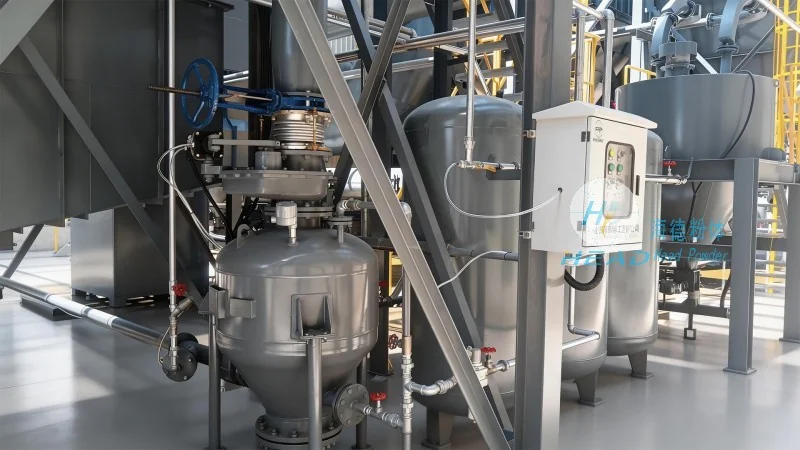
Key Features of Fertilizer Material Pneumatic Conveying Systems
When it comes to transporting fertilizer materials, pneumatic conveying systems exhibit several distinct advantages that make them preferable over other methods. One of the most significant features is their ability to handle a wide range of particle sizes and shapes, from fine powders to coarse granules. This versatility is crucial in the fertilizer industry, where materials can vary significantly in their physical properties. Additionally, these systems are highly efficient in terms of energy consumption, as they minimize the need for mechanical components that often require maintenance and replacement. The absence of moving parts also reduces the risk of material contamination, which is critical for products like fertilizers that must meet strict quality standards. Another notable feature is the system's adaptability to different operational conditions. They can be designed to operate under both positive and negative pressure, allowing for flexibility in the layout of the conveying network. This adaptability enables manufacturers to optimize the system's performance based on the specific requirements of their facility.
Applications and Benefits in the Fertilizer Industry
In the fertilizer manufacturing and distribution sector, pneumatic conveying systems play a vital role in ensuring smooth material handling processes. These systems are commonly used to transport raw materials such as urea, ammonium nitrate, and phosphate rock from storage silos to processing units. The ability to handle large volumes of material quickly and reliably reduces downtime and increases overall productivity. Furthermore, the systems contribute to better safety in the workplace by eliminating the need for manual handling of bulk materials, which can be hazardous. The consistent and controlled flow of material also helps in maintaining uniform product quality, as it prevents segregation and mixing of different batches. Another benefit is the reduced maintenance costs associated with pneumatic systems compared to traditional methods. With fewer mechanical parts, the likelihood of breakdowns is lower, and when maintenance is required, it is often less complex and less expensive.

Customization and Integration with Existing Infrastructure
Shandong HeadPowder Engineering Co., Ltd., a leading provider of industrial conveying solutions, specializes in designing and manufacturing customized pneumatic conveying systems tailored to the unique needs of fertilizer manufacturers. The company, operating under the brand name headpowder, leverages years of experience in the industry to develop systems that meet the highest standards of efficiency and reliability. Their expertise lies in understanding the specific challenges faced by fertilizer producers, such as material variability and the need for consistent flow rates. By working closely with clients, the company can design systems that integrate seamlessly with existing infrastructure, minimizing disruptions during installation and operation. The systems are built using high-quality materials that are resistant to corrosion and wear, ensuring long-term durability even in harsh operating conditions. Additionally, the company offers comprehensive support services, including installation, commissioning, and maintenance, to ensure that the systems operate at peak performance throughout their lifecycle.