

Working Principle and Features of Silicon Carbide Material Conveying Lines
For industries dealing with silicon carbide (SiC) materials, efficient and reliable material handling systems are crucial. This article explores the working principle and key features of silicon carbide material conveying lines, highlighting how they enhance operational efficiency and safety in material processing applications.
About the Company: Shandong HeadPowder Engineering Co., Ltd.
HeadPowder, the abbreviation for Shandong HeadPowder Engineering Co., Ltd., is a leading provider of specialized material handling solutions. Headquartered in Shandong, China, the company has established itself as a trusted partner in the production and processing of silicon carbide and other high-performance materials. With a strong focus on innovation and quality, HeadPowder specializes in designing and manufacturing custom conveying systems tailored to meet the unique demands of industrial applications, ensuring optimal performance and durability.
Working Principle of Silicon Carbide Material Conveying Lines
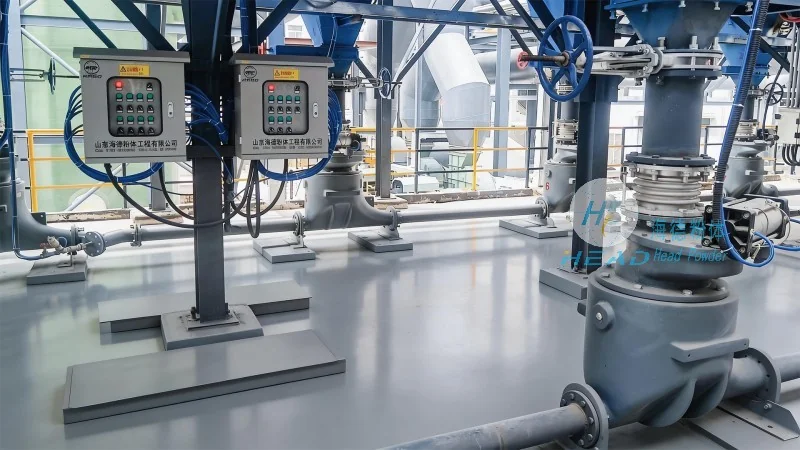
Silicon carbide material conveying lines typically operate based on a combination of mechanical and pneumatic systems, designed to transport SiC powders, granules, or bulk materials from one processing stage to another. The core components of these systems include feeders, conveyors, and control units, each playing a critical role in the material flow process.
First, material is fed into the system via a hopper or bulk container. A feeder, often a screw or vibratory type, regulates the flow rate to ensure consistent and controlled material delivery. This step is essential to prevent overloading or underloading of the conveyor, which could lead to inefficiencies or equipment damage. The feeder then transfers the material to a conveyor system, such as a belt or screw conveyor, which moves the SiC material through the processing line.

The conveyor system is equipped with appropriate mechanisms to handle the abrasive nature of silicon carbide. For example, high-strength belts or corrosion-resistant screw components are used to minimize wear and tear from the material's hardness. Additionally, the system may incorporate pneumatic components, like airlocks or dust collection units, to manage dust and ensure a clean working environment. Control units, often integrated with sensors and automation technology, monitor the flow rate, pressure, and other parameters to maintain optimal operation and prevent system failures.
Key Features of Silicon Carbide Material Conveying Lines
HeadPowder's silicon carbide material conveying lines are characterized by several advanced features that enhance performance and reliability. These features are designed to address the specific challenges of handling SiC materials, including their high hardness, abrasiveness, and potential dust generation.
One of the primary features is the use of durable and corrosion-resistant materials for all components. The conveyors and feeders are constructed from materials like stainless steel or specialized alloys that can withstand the abrasive action of silicon carbide, reducing maintenance requirements and extending the system's lifespan. This durability is particularly important in high-volume production environments where equipment downtime can be costly.

Another key feature is the integration of advanced control systems. Modern conveying lines are equipped with sensors, such as load cells and position detectors, that provide real-time monitoring of material flow and system performance. These sensors allow for automatic adjustments to maintain consistent flow rates, preventing material buildup or bottlenecks. Additionally, the control units may include programmable logic controllers (PLCs) that enable automated operation, reducing the need for manual intervention and improving operational efficiency.
Efficient dust management is also a critical feature of these systems. Silicon carbide processing generates fine dust that can be hazardous to both equipment and personnel. The conveying lines are typically equipped with dust collection systems, including cyclones or bag filters, that capture and remove airborne particles. This not only improves workplace safety but also helps maintain a clean environment, which is essential for quality control in material processing.
Furthermore, the design of the conveying lines prioritizes safety and compliance with industrial standards. Features such as emergency stop buttons, interlocked access panels, and proper grounding help prevent accidents and ensure the system operates within safety guidelines. These safety measures are particularly important when handling abrasive materials like silicon carbide, which can pose risks if not managed properly.
Benefits of Using Silicon Carbide Material Conveying Lines
The implementation of silicon carbide material conveying lines offers numerous benefits to industrial operations. By streamlining material handling processes, these systems enhance productivity and reduce labor costs. The consistent flow of materials ensures that downstream processes, such as mixing, sintering, or packaging, operate smoothly without interruptions.

Additionally, the advanced features of these conveying lines contribute to improved product quality. The controlled and dust-free environment helps maintain the purity of silicon carbide materials, which is critical for applications in electronics, refractory materials, and abrasive tools. By minimizing contamination and ensuring uniform material distribution, the conveying lines support higher-quality end products.
From an operational perspective, the durability and reliability of HeadPowder's systems reduce maintenance costs and downtime. The use of high-quality components and robust design means that the conveying lines can operate continuously for extended periods with minimal intervention. This reliability is essential for maintaining production schedules and meeting customer demands in competitive markets.
Conclusion
Silicon carbide material conveying lines are essential components in the processing of high-performance materials, offering efficient, reliable, and safe solutions for material handling. HeadPowder's expertise in designing and manufacturing these systems ensures that industries can benefit from advanced technology tailored to their specific needs. By understanding the working principle and key features of these conveying lines, businesses can make informed decisions to enhance their operational efficiency and product quality.