

Working Principle and Characteristics of Material Handling for Lithium-Ion Battery Anode Materials
Material handling systems play a crucial role in the production process of lithium-ion battery anode materials, ensuring efficient and reliable transportation of raw materials and intermediate products. The proper design and operation of these systems directly impact the overall productivity and quality of the final battery components. This article explores the working principles and key characteristics of material handling for lithium-ion battery anode materials, highlighting the technical aspects and practical applications in industrial settings.

Working Principle of Material Handling for Lithium-Ion Battery Anode Materials
The working principle of material handling systems for lithium-ion battery anode materials typically involves the use of specialized equipment designed to move powders and granules with precision and control. Common types of equipment include screw conveyors, vibrating feeders, and pneumatic conveying systems. Each system operates based on different physical principles to achieve the desired material movement. For instance, screw conveyors utilize rotating screws to push materials forward, while vibrating feeders use mechanical vibrations to transport materials along a trough. Pneumatic conveying systems, on the other hand, rely on air pressure to transport materials through a pipeline. The choice of equipment depends on factors such as material properties, required throughput, and the layout of the production facility. In lithium-ion battery anode material processing, these systems are essential for transferring raw materials like graphite, silicon, and other additives from storage to processing units, and then to packaging or further processing stages.

Key Characteristics of Material Handling Systems for Lithium-Ion Battery Anode Materials
Several key characteristics define the effectiveness of material handling systems in the lithium-ion battery anode material industry. First, efficiency and throughput are critical, as these systems must handle high volumes of materials to meet production demands. The design of the conveyor system, including the speed of rotation, vibration frequency, or air pressure, directly affects the material flow rate. Second, precision and control are essential to maintain the quality of the anode materials. Over-processing or uneven distribution can lead to inconsistencies in the final battery performance. Advanced control systems, such as variable frequency drives (VFDs) and feedback sensors, are often integrated to regulate the material flow and prevent issues like clogging or segregation. Third, durability and reliability are important due to the abrasive nature of the materials. Materials like graphite and silicon can be harsh on equipment, so the construction of the conveyor components, including the material of the screws, troughs, and pipelines, must be robust and resistant to wear. Fourth, environmental considerations are increasingly important in modern manufacturing. Material handling systems are designed to minimize dust emissions and ensure proper ventilation to maintain a safe working environment. Some systems incorporate dust collection and filtration systems to comply with environmental regulations. Finally, flexibility and adaptability are valued features, as production lines may need to handle different types of anode materials or adjust to changing production schedules. Modular designs and adjustable components allow for easy modifications to accommodate new materials or production requirements.
Application of Material Handling Systems in Lithium-Ion Battery Anode Material Production
In the production of lithium-ion battery anode materials, material handling systems are integrated into various stages of the process. At the raw material storage stage, bulk materials are received and stored in silos or hoppers. Material handling equipment then transfers these materials to the processing units, where they undergo grinding, mixing, and coating operations. The processed anode materials are then transported to the battery cell assembly lines or packaging areas. The efficiency of the material handling system directly impacts the overall production cycle time. For example, a well-designed screw conveyor can ensure a steady supply of raw materials to the grinding mill, preventing bottlenecks that could slow down the entire production line. Similarly, a vibrating feeder can provide a consistent flow of materials to the coating machine, ensuring uniform coating thickness and quality. The characteristics of the material handling system, such as its ability to handle fine powders without segregation or clogging, are crucial for maintaining the quality of the anode materials. In industrial settings, these systems are often operated under automated control, with sensors monitoring the material level, flow rate, and any potential blockages. This automation enhances the reliability and consistency of the material handling process, reducing the need for manual intervention and minimizing errors.
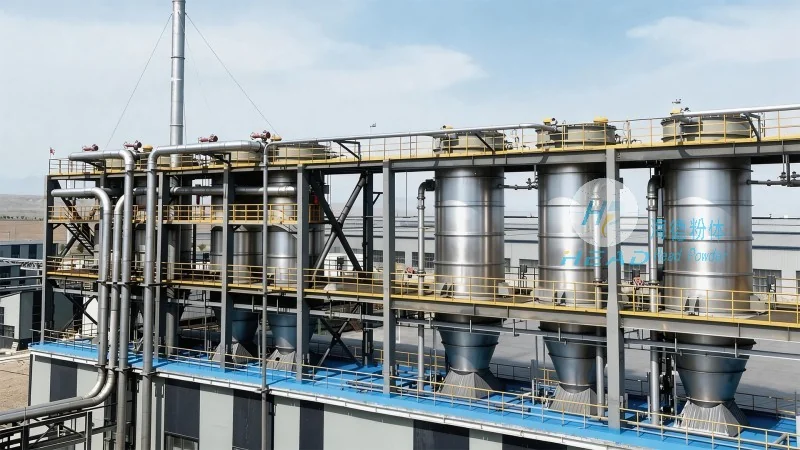
Conclusion and Company Overview
Material handling systems are fundamental to the efficient and high-quality production of lithium-ion battery anode materials. The working principles and characteristics of these systems, including their efficiency, precision, durability, environmental considerations, and flexibility, are critical factors in meeting the demands of the battery industry. As a leading provider in the field, Shandong HeadPowder Engineering Co., Ltd. specializes in designing and manufacturing customized material handling solutions tailored to the specific needs of lithium-ion battery anode material manufacturers. With a focus on advanced technology and robust engineering, HeadPowder offers systems that optimize material flow, enhance production efficiency, and ensure the quality of anode materials. HeadPowder's solutions are designed to adapt to the evolving requirements of the battery industry, supporting the continuous improvement of battery performance and sustainability. Based in Shandong, China, HeadPowder leverages its expertise and local resources to deliver reliable and effective material handling systems for clients worldwide.