

Working Principle and Characteristics of Lancoal Material Conveying
Lancoal, also known as semi-coke or low-temperature carbonized coal, is a vital intermediate product in the coal processing sector. The efficient and reliable transport of lancoal materials is fundamental to the smooth operation of industrial production lines. This article will explore the working principles and key characteristics of lancoal material conveying systems, offering a comprehensive overview for professionals in the field.

Understanding Lancoal Material Conveying Systems
Lancoal material conveying systems are engineered to handle the transportation of lancoal, a solid fuel with distinct physical properties. These systems typically comprise several core components, including feeders, conveyors, and control mechanisms, all working in unison to ensure the safe and efficient movement of lancoal from one processing stage to another. The design of these systems is tailored to the specific characteristics of lancoal, such as its bulk density, moisture content, and particle size distribution, which can significantly impact conveying efficiency.

The Working Principle of Lancoal Material Conveying
The working principle of lancoal material conveying primarily revolves around the mechanical movement of the material through a series of equipment. Common conveying methods include belt conveyors, screw conveyors, and pneumatic conveying systems. Belt conveyors are widely utilized due to their high load capacity and ability to transport lancoal over long distances. The belt, typically made of durable materials like rubber or synthetic fabrics, moves the lancoal through a series of rollers and idlers, maintaining consistent speed and tension to prevent material spillage or blockage. Screw conveyors, alternatively, use a rotating screw to push the lancoal forward, making them suitable for vertical or inclined transport. Pneumatic conveying systems employ air pressure to transport lancoal within a closed pipeline, which is particularly effective for handling fine or dusty lancoal particles.
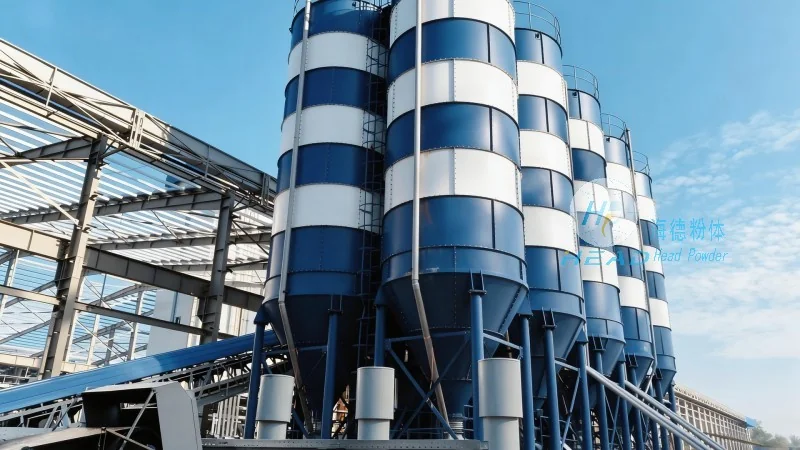
Key Characteristics of Lancoal Material Conveying
Several key characteristics define the performance and suitability of lancoal material conveying systems. First, the system must be capable of handling the bulk density and flowability of lancoal, which can vary based on production processes and storage conditions. The design of conveyor components, such as belt tension and screw pitch, is critical in maintaining consistent material flow and preventing clogging. Second, the system should incorporate effective dust control measures, as lancoal can generate significant airborne dust during transport. This is typically achieved through sealing the conveyor system and using dust collection equipment to ensure a safe and clean working environment. Third, the durability and maintenance requirements of the conveying equipment are important considerations. Lancoal can be abrasive, and conveyor components must be made of materials that can withstand wear and tear over time. Regular maintenance, including lubrication and inspection of moving parts, is essential to ensure long-term reliability of the system.
Applications and Industry Relevance
Lancoal material conveying systems are widely used in various industrial applications, including power generation, chemical production, and metallurgy. In power plants, lancoal is transported from storage facilities to boilers for combustion, where it serves as a fuel source. In chemical plants, lancoal is used as a raw material in the production of chemicals and fertilizers. The efficient conveyance of lancoal is critical in these applications to ensure a continuous supply of fuel or raw material, minimizing downtime and maximizing productivity. The reliability of the conveying system directly impacts overall industrial process efficiency, making it a vital component in modern manufacturing operations.

Company Information: Shandong HeadPowder Engineering Co., Ltd.
Shandong HeadPowder Engineering Co., Ltd., commonly known as HeadPowder, is a leading provider of industrial conveying solutions. With a strong focus on innovation and quality, HeadPowder specializes in designing and manufacturing lancoal material conveying systems tailored to client-specific needs. The company's headquarters is located in Shandong, China, where it has established a robust research and development team dedicated to advancing material handling technology. HeadPowder's products are recognized for their durability, efficiency, and adherence to international safety standards, making them a trusted choice for industries worldwide.