

[WTTLE]Working Principle and Features of Waste Powder Conveying System Equipment
Waste powder conveying systems are critical components in modern waste management and industrial processing, designed to efficiently transport bulk materials such as municipal solid waste, industrial byproducts, and other powdery substances. Understanding the working principle and key features of these systems is essential for optimizing operational efficiency and ensuring safe, reliable material handling. This article provides a detailed overview of the mechanisms behind waste powder conveying equipment, highlighting the technological advancements and functional attributes that make them indispensable in various applications.
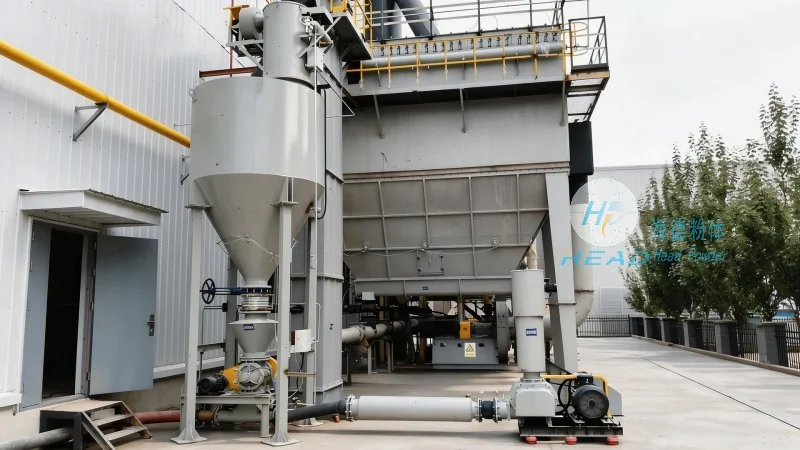
Working Principle of Waste Powder Conveying Systems
At the core of waste powder conveying systems is a combination of mechanical and pneumatic technologies tailored to handle the unique challenges of transporting powdery materials. The primary working principle involves the use of pressure differentials, air flow, and specialized components to move materials from a source to a destination without the need for direct physical contact or excessive mechanical stress. There are several common types of waste powder conveying systems, each employing distinct mechanisms to achieve the desired transport outcomes.
One of the most widely used methods is the positive pressure pneumatic conveying system. In this approach, compressed air is introduced into a sealed pipeline, creating a positive pressure environment that propels the powder particles forward. The system typically includes a hopper for material storage, a rotary airlock valve to control the flow of powder into the pipeline, and a series of bends and straight sections to guide the material. The air velocity is carefully controlled to ensure that the powder particles remain suspended in the air stream, preventing blockages and ensuring consistent flow rates. This method is particularly effective for short to medium-distance transport and is suitable for materials with low to moderate moisture content and particle size.
Another prevalent technology is the negative pressure (or vacuum) conveying system. This approach operates by creating a vacuum in the pipeline, which draws the powder from the source into the system. The vacuum is generated by a fan or blower located at the receiving end, and the material is pulled through the pipeline by the pressure differential. Negative pressure systems are often preferred for longer distances or when the material needs to be transported from multiple sources to a central collection point. They are also well-suited for handling materials that are sensitive to high pressure or that may generate dust during transport. The system includes a suction hopper, a rotary valve, and a filter to capture any fine particles before releasing the air to the atmosphere.
A third type is the gravity or belt conveyor system, which relies on the natural force of gravity to move materials down a sloped path. While less common for waste powders due to the risk of material segregation and blockages, gravity systems are used in specific applications where the material is lightweight and the distance is short. These systems typically consist of a conveyor belt supported by rollers or a chain, with the material placed on the belt and allowed to slide down the incline. The design of gravity conveyors must account for the angle of repose of the material to prevent spillage and ensure smooth operation.
Key Features of Waste Powder Conveying Equipment
The features of waste powder conveying systems are designed to address the specific challenges of handling powdery materials, including dust generation, material segregation, and system reliability. Modern equipment incorporates advanced technologies to enhance performance, safety, and maintenance efficiency. Some of the most notable features include:

Advanced Material Handling Capabilities: Modern waste powder conveying systems are engineered to handle a wide range of materials, from fine powders to coarse granules. The design of the hopper and feeding mechanisms ensures that materials are uniformly fed into the system, reducing the risk of blockages and ensuring consistent flow rates. Specialized components, such as flexible hoses or adjustable valves, allow for the handling of materials with varying particle sizes and moisture content.
Efficient Dust Control and Filtration: Waste powders are often dusty and can pose health and safety risks if not properly contained. Advanced conveying systems incorporate dust collection and filtration systems to capture fine particles and prevent their release into the environment. These systems typically include high-efficiency particulate air (HEPA) filters or cyclone separators, which remove dust from the air stream before it is released. The use of sealed components and positive pressure systems further minimizes dust exposure, ensuring compliance with environmental regulations and workplace safety standards.
Robust and Durable Construction: Waste handling environments are often harsh, with exposure to moisture, chemicals, and abrasive materials. Waste powder conveying equipment is constructed from high-quality materials, such as stainless steel, corrosion-resistant alloys, and wear-resistant coatings, to withstand the rigors of continuous operation. The components are designed to be durable and long-lasting, reducing the need for frequent maintenance and replacement. This durability is particularly important for systems that operate 24/7, as downtime can result in significant operational disruptions.
Integrated Control and Monitoring Systems: Modern waste powder conveying systems are equipped with advanced control and monitoring technologies to optimize performance and ensure safe operation. These systems typically include programmable logic controllers (PLCs), sensors, and data logging capabilities, which allow operators to monitor key parameters such as pressure, flow rate, and temperature in real-time. The integration of these systems enables predictive maintenance, allowing for timely repairs and reducing the risk of system failures. Additionally, the control systems can be programmed to adjust parameters automatically, such as air pressure or conveyor speed, to maintain optimal performance under varying load conditions.

Company Profile: Shandong HeadPowder Engineering Co., Ltd.
Shandong HeadPowder Engineering Co., Ltd., operating under the brand name HeadPowder, is a leading manufacturer and supplier of waste powder conveying systems and related equipment. With a strong focus on innovation and customer satisfaction, the company has established itself as a trusted partner in the waste management and industrial processing sectors. HeadPowder specializes in designing and manufacturing customized conveying solutions tailored to the specific needs of clients, ensuring that each system is optimized for efficiency, reliability, and cost-effectiveness.
The company’s headquarters is located in Shandong, China, where a team of experienced engineers and technicians develops cutting-edge technologies and manufacturing processes. HeadPowder’s commitment to quality is evident in its adherence to international standards, such as ISO 9001, and its use of advanced manufacturing equipment. The company invests heavily in research and development to stay at the forefront of the industry, continuously improving its products to meet the evolving demands of the market.
HeadPowder’s product portfolio includes a wide range of waste powder conveying systems, from small-scale units for municipal waste management to large-scale industrial applications. The company’s solutions are designed to handle various types of powdery materials, including municipal solid waste, industrial byproducts, and agricultural residues. Each system is engineered to provide reliable and efficient material transport, while minimizing environmental impact and ensuring compliance with local regulations.
The company’s customer-centric approach is reflected in its comprehensive after-sales support services. HeadPowder provides technical assistance, maintenance, and training to ensure that clients can operate their systems effectively and efficiently. The company’s team of experts is available to offer guidance on system selection, installation, and optimization, helping clients achieve their operational goals while maximizing the return on investment.
Conclusion
Waste powder conveying systems are essential for the efficient and safe handling of bulk powdery materials in various industries. The working principles and features of these systems are designed to address the unique challenges of material transport, ensuring optimal performance, reliability, and environmental compliance. Companies like Shandong HeadPowder Engineering Co., Ltd. play a crucial role in providing advanced, customized solutions that meet the diverse needs of clients, contributing to the overall improvement of waste management and industrial processing operations. By leveraging innovative technologies and a customer-focused approach, these systems continue to evolve, offering enhanced efficiency and sustainability in material handling.