

Working Principle and Features of Automatic Continuous Powder Conveyors
For industries that rely on the efficient handling of bulk powders, the automatic continuous powder conveyor has emerged as a critical piece of equipment. This machinery is designed to transport dry powders, granules, and other particulate materials with precision and reliability, ensuring smooth operations in various production and processing environments. Understanding its working principle and key features is essential for selecting the right equipment for specific applications.

Introduction to Automatic Continuous Powder Conveyors
Automatic continuous powder conveyors are engineered to provide a seamless and uninterrupted flow of powders from one point to another. Unlike traditional batch or intermittent systems, these conveyors operate continuously, offering consistent performance and reduced downtime. The design incorporates advanced mechanisms that handle the challenges of powder handling, such as bridging, caking, and material variability, making them suitable for a wide range of industries including pharmaceuticals, food processing, chemicals, and more.
Working Principle of Automatic Continuous Powder Conveyors
The core working principle of an automatic continuous powder conveyor revolves around the use of a rotating screw or auger mechanism. As the screw rotates, it moves the powder forward through the conveyor tube or trough. The screw's helical design creates a self-priming action, which helps to draw the material into the system without the need for external feeding devices. This mechanism ensures that the powder is conveyed in a controlled manner, maintaining a steady flow rate and preventing material buildup or blockages.
Key components of the conveyor system include the drive motor, which powers the screw rotation, the hopper or inlet where the powder is loaded, and the discharge outlet where the material is released. The system may also feature variable speed controls, allowing operators to adjust the conveyor speed based on the material characteristics and required throughput. This flexibility is crucial for optimizing performance and adapting to different production demands.

Key Features of Automatic Continuous Powder Conveyors
Automatic continuous powder conveyors are equipped with several features that enhance their functionality and usability. One of the most notable features is the self-cleaning design, which prevents material accumulation on the screw and the conveyor surface. This reduces the risk of caking and ensures consistent performance over time. Additionally, the conveyors often include a dust collection system to maintain a clean and safe working environment, which is particularly important in industries like pharmaceuticals and food processing where contamination control is paramount.
Another critical feature is the ability to handle a wide range of powder types, from fine powders that are prone to bridging to coarse granules that require higher torque. The design allows for customization, such as varying the screw pitch and diameter, to accommodate different material properties. This adaptability makes the conveyors versatile and suitable for diverse applications. Furthermore, the systems are typically constructed from materials like stainless steel, which offers corrosion resistance and easy cleaning, ensuring hygiene standards are met in sensitive industries.
Benefits of Using Automatic Continuous Powder Conveyors
Implementing an automatic continuous powder conveyor brings numerous benefits to industrial operations. The primary advantage is the improvement in productivity, as the continuous operation eliminates the need for manual intervention and reduces downtime. This leads to higher throughput and increased efficiency in production processes. Additionally, the consistent flow of material ensures that downstream processes, such as mixing or packaging, receive a steady supply, preventing bottlenecks and improving overall process reliability.
Cost savings are another significant benefit. By reducing the need for manual handling and minimizing material waste due to caking or blockages, the conveyors lower operational costs. The self-cleaning and low maintenance design also contributes to long-term savings, as the equipment requires less frequent repairs and cleaning. Furthermore, the ability to handle a wide range of materials without the need for multiple systems reduces capital expenditure on specialized equipment.
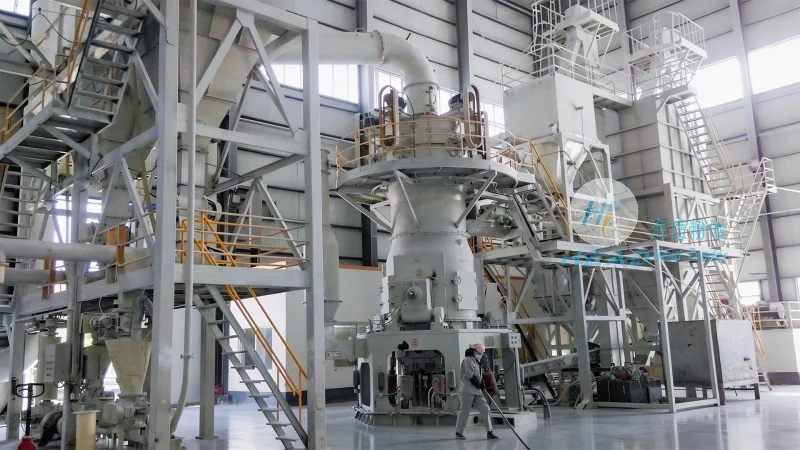
Applications in Different Industries
Automatic continuous powder conveyors find applications across various industries due to their versatility and reliability. In the pharmaceutical industry, they are used to transport active pharmaceutical ingredients (APIs) and excipients with strict purity and contamination control requirements. The stainless steel construction and dust collection systems ensure that the materials remain clean and free from contaminants, meeting regulatory standards. In the food processing industry, these conveyors handle dry ingredients like flour, sugar, and spices, maintaining hygiene and preventing cross-contamination.
In the chemical industry, the conveyors are used to transport bulk chemicals, including powders and granules, with precision. The ability to handle abrasive materials and varying moisture content makes them suitable for chemical processing plants. Similarly, in the agricultural sector, they are used to transport fertilizers and other agricultural powders, ensuring efficient distribution and handling. The consistent performance of the conveyors in these applications highlights their importance in maintaining operational efficiency and product quality.
Conclusion
Automatic continuous powder conveyors represent a sophisticated solution for the efficient handling of bulk powders. Their working principle, based on a rotating screw mechanism, provides a reliable and continuous flow of material. The key features, including self-cleaning, dust collection, and material adaptability, enhance their performance and usability across various industries. The benefits, such as improved productivity, cost savings, and consistent material flow, make them an essential investment for industries that require precise and reliable powder handling. As technology advances, these conveyors continue to evolve, offering even more efficient and sustainable solutions for modern industrial needs.