

Working Principle and Features of Silica Powder Conveying Lines
HeadPowder, a leading manufacturer in the field of material handling solutions, specializes in the design and production of advanced silica powder conveying lines. Based in Shandong, China, the company has established itself as a trusted provider of efficient and reliable systems for transporting fine powders like silica. This article delves into the working principle and key features of these conveying lines, offering insights into how they operate and why they are preferred in industrial applications.

Understanding the Working Principle of Silica Powder Conveying Lines
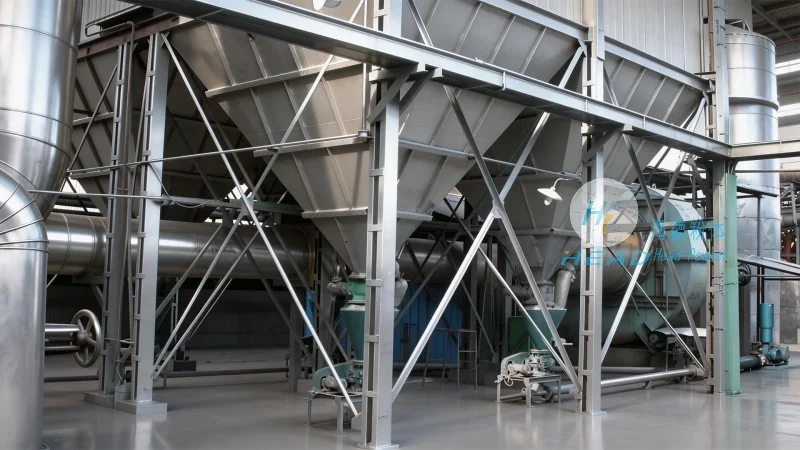
The core of a silica powder conveying line lies in its integrated system that efficiently moves fine powders from one location to another. Typically, these systems employ a combination of mechanical and pneumatic components to ensure smooth and consistent material transport. The process begins with the feeding of silica powder into a hopper or storage silo. From there, the powder is transferred through a network of pipes or conveyor belts, depending on the specific design of the line. Many modern systems utilize air pressure or vacuum to create a flow of the powder, a method known as pneumatic conveying. This approach allows for gentle handling of the delicate silica particles, minimizing the risk of agglomeration or damage. The conveying line may include components such as rotary valves, airlocks, and dust collectors to control the flow and ensure a clean operation. Each component works in tandem to maintain the integrity of the powder and optimize the overall conveying efficiency.

Key Features of Silica Powder Conveying Lines
Several distinct features make silica powder conveying lines particularly suitable for industrial use. Firstly, their high efficiency in material transport is a standout advantage. These systems can handle large volumes of silica powder with minimal downtime, ensuring that production processes remain uninterrupted. The ability to maintain consistent flow rates is crucial for maintaining quality control in downstream operations, such as mixing or packaging. Secondly, the design of these lines emphasizes reliability and durability. Constructed from high-quality materials, they are built to withstand the abrasive nature of silica powder, reducing the need for frequent maintenance and repairs. This reliability is further enhanced by the inclusion of safety features, such as pressure relief valves and automatic shut-off mechanisms, which protect both the equipment and the operators. Thirdly, the flexibility of the conveying lines allows for customization to meet specific operational needs. Whether the application requires horizontal, vertical, or inclined transport, the system can be adjusted accordingly. This adaptability makes them suitable for a wide range of industrial settings, from manufacturing plants to processing facilities. Additionally, the integration of dust control systems is a critical feature, as silica powder can generate significant airborne dust, which poses health and safety risks. Advanced filtration and collection systems are incorporated to ensure a clean and safe working environment.

Applications and Benefits in Industrial Settings
Silica powder conveying lines find extensive applications across various industries, including pharmaceuticals, food processing, and chemical manufacturing. In these sectors, the consistent and safe transport of fine powders is essential for maintaining product quality and adhering to regulatory standards. The benefits of using these systems extend beyond mere efficiency; they also contribute to cost savings and improved operational safety. By reducing manual handling of powders, the risk of workplace accidents is minimized, while the automated process lowers labor costs. Furthermore, the ability to handle large quantities of material in a compact footprint makes these lines ideal for facilities with limited space. The reliability of the system also translates to fewer production interruptions, leading to higher overall productivity. In summary, silica powder conveying lines are a vital component of modern industrial operations, offering a balance of efficiency, safety, and adaptability that meets the demands of contemporary manufacturing environments.