

Working Principle and Features of Epoxy Resin Powder Conveying Equipment
For industrial applications requiring the efficient and reliable transport of epoxy resin powders, specialized equipment is essential. This article explores the working principle and key features of epoxy resin powder conveying equipment, highlighting how such systems enhance operational efficiency and product integrity in manufacturing processes.

Understanding the Working Principle of Epoxy Resin Powder Conveying Equipment
Epoxy resin powder conveying equipment operates on principles designed to handle the unique characteristics of epoxy powders, including their fine particle size, potential for static charge, and sensitivity to moisture. The typical system comprises several interconnected components that work in tandem to ensure smooth material flow from the storage hopper to the processing line. The process begins with the material being fed from a bulk storage container into a hopper or feeder, where it is then transferred to a primary conveying mechanism. Common types of conveying systems include screw conveyors, pneumatic (air-assisted) conveyors, and bucket elevators, each chosen based on the specific requirements of the application, such as the volume of material, distance to be transported, and the need for enclosed or open transport.
A screw conveyor, for instance, uses a rotating helical screw to push the powder forward. This method is ideal for short to medium distances and when the material is relatively dry and free-flowing. The screw's design, including its pitch and diameter, is tailored to minimize friction and prevent material buildup, which is crucial for preventing clogging and maintaining consistent flow rates. Pneumatic conveyors, on the other hand, utilize compressed air to create a flow of material through a pipeline. This approach is particularly effective for longer distances or when the material needs to be transported in an enclosed system, protecting it from contamination and dust. The system typically includes a hopper, a venturi or rotary valve for feeding, and a receiver at the destination, with air flow controlled by a regulator to maintain optimal pressure and prevent material degradation.
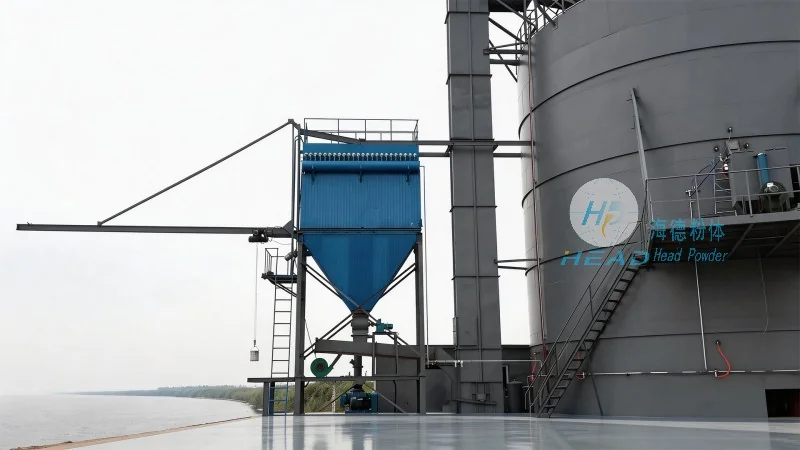
Control systems are integral to the operation, ensuring that the conveying process is automated and responsive to varying production demands. Sensors and feedback mechanisms monitor the level of material in the hopper and the speed of the conveyor, adjusting the feed rate as needed. This automation not only improves efficiency but also reduces the risk of overfilling or underfilling, which can impact downstream processes like mixing or molding. Additionally, many modern systems incorporate features to manage static electricity, such as grounding electrodes or anti-static additives, to prevent dust accumulation and ensure safe operation.
Key Features of Epoxy Resin Powder Conveying Equipment
The design and functionality of epoxy resin powder conveying equipment are defined by several key features that address the challenges of handling fine powders while maintaining operational reliability. One of the most critical features is the ability to minimize material loss and contamination. This is achieved through enclosed systems that prevent dust from escaping into the environment and protect the powder from external contaminants. The equipment often includes filters and dust collection systems to ensure that the material remains clean and free from particles that could affect the quality of the final product.

Efficiency is another prominent feature, with systems engineered to handle high volumes of material with minimal energy consumption. The choice of conveying method—whether mechanical or pneumatic—significantly impacts energy use, with screw conveyors generally being more energy-efficient for short distances, while pneumatic systems may be more suitable for longer runs or when flexibility is required. The design also focuses on reducing downtime through robust construction and easy maintenance. Components such as bearings, seals, and conveyor screws are made from materials resistant to corrosion and wear, ensuring long service life and reducing the frequency of repairs.

Customization is a vital feature for equipment tailored to specific industrial needs. Manufacturers like Shandong HeadPowder Engineering Co., Ltd. offer customized solutions that can be adapted to the unique requirements of a client's production line. This includes adjusting the size of the hopper, the speed of the conveyor, and the type of control system to match the volume of epoxy resin powder being processed. Such flexibility allows for seamless integration into existing manufacturing setups and ensures that the equipment operates at peak performance.
Conclusion and Company Overview
Epoxy resin powder conveying equipment plays a pivotal role in modern manufacturing, enabling the efficient and safe transport of critical materials while maintaining product quality. The working principles and features discussed above highlight the importance of specialized design and engineering in addressing the unique challenges of handling epoxy powders. As a leading manufacturer in this field, Shandong HeadPowder Engineering Co., Ltd. specializes in providing high-quality conveying solutions tailored to the needs of various industries, including construction, electronics, and automotive manufacturing. With a focus on reliability, efficiency, and customization, the company ensures that its equipment meets the stringent demands of contemporary production environments.