

Working Principle and Features of Salt Powder Conveying Equipment
Efficient and reliable salt powder conveying equipment is crucial for industries dealing with bulk salt handling. This article explores the working principles and key features of such equipment, providing insights into how they enhance operational efficiency and safety in salt processing applications.

Working Principle of Salt Powder Conveying Equipment
The core function of salt powder conveying equipment is to transport granular or powdered salt from one location to another within a processing facility. These systems typically operate based on mechanical or pneumatic principles, ensuring consistent and controlled movement of the material. The working principle involves several key components working in tandem to achieve seamless material transfer.
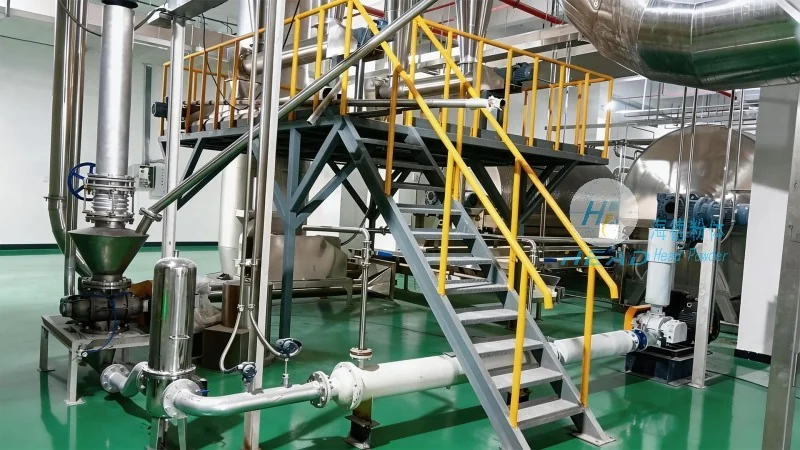
First, the equipment utilizes a hopper or storage bin to hold the salt powder. This container is designed to accommodate large volumes of salt while maintaining proper flow characteristics. From the hopper, the salt is fed into a conveyor mechanism, which may include screw conveyors, belt conveyors, or pneumatic pipelines depending on the system design. The conveyor system then transports the salt to the desired destination, such as a processing unit, storage silo, or packaging area.
For pneumatic conveying systems, compressed air is used to create a flow of air and salt particles. The air is introduced into the pipeline, creating a positive or negative pressure environment that propels the salt powder through the system. This method is particularly effective for handling fine or dusty salt powders, as it minimizes dust generation and provides a clean transfer process. Mechanical conveyors, on the other hand, rely on rotating screws or belts to move the salt, offering a more direct and contact-based transfer method.
Key Features of Salt Powder Conveying Equipment
Modern salt powder conveying equipment is equipped with several features that enhance performance, safety, and maintenance. These features are designed to address the unique challenges of handling salt, including its hygroscopic nature and potential for dust generation. The following are some of the most important features:
1. Material Compatibility: The equipment is constructed from materials that are resistant to corrosion and wear caused by salt. Common materials include stainless steel, which is ideal for its durability and resistance to chemical reactions with salt. This ensures the equipment maintains its integrity over long-term use, reducing the need for frequent replacements.
2. Dust Control Systems: To mitigate the risk of dust exposure and environmental contamination, salt powder conveying equipment often incorporates dust control mechanisms. These may include sealed hoppers, dust collection systems, and air filtration units. By containing dust at the source, the equipment helps maintain a safe working environment and complies with industrial safety regulations.

3. Adjustable Flow Control: Many conveying systems feature adjustable flow control valves or speed regulators. This allows operators to modify the rate of salt transfer based on processing requirements. For example, during high-demand periods, the flow rate can be increased to meet production targets, while during low-demand periods, it can be reduced to conserve energy and prevent overloading downstream equipment.
4. Easy Maintenance and Cleaning: The design of the equipment prioritizes ease of maintenance and cleaning. Components such as hoppers and conveyor sections are often removable or accessible, allowing for quick inspection and cleaning. This is particularly important for salt handling, as salt can accumulate and create blockages if not properly maintained. Regular cleaning also helps prevent the growth of bacteria or other contaminants in the equipment.

5. Energy Efficiency: Advanced conveying systems are engineered to minimize energy consumption while maintaining high transfer rates. This is achieved through optimized conveyor speeds, reduced friction in moving parts, and efficient use of compressed air in pneumatic systems. Energy-efficient equipment not only lowers operational costs but also aligns with sustainability goals in industrial operations.
Conclusion
Salt powder conveying equipment plays a vital role in the efficient processing and handling of salt in various industries. By understanding the working principles and key features of these systems, businesses can select the most suitable equipment for their specific needs, ensuring optimal performance, safety, and cost-effectiveness. The equipment's ability to handle bulk salt while maintaining control over flow and dust management makes it an essential component in modern salt processing facilities.
Shandong HeadPowder Engineering Co., Ltd., a leading manufacturer of salt processing equipment, specializes in providing high-quality conveying solutions tailored to the unique requirements of salt handling applications. With a focus on durability, efficiency, and safety, their equipment is designed to meet the demands of industrial salt processing while adhering to the highest standards of performance and reliability.