

Working Principle and Features of Aggregate Powder Conveying Systems
Aggregate powder conveying systems are critical components in various industrial applications, particularly in sectors such as construction, mining, and material processing. These systems are designed to efficiently transport bulk materials like aggregates and powders from one location to another, ensuring smooth operations and optimal performance. Understanding the working principle and key features of such systems is essential for selecting the right equipment for specific industrial needs.

Working Principle of Aggregate Powder Conveying Systems
The core working principle of aggregate powder conveying systems revolves around the use of mechanical or pneumatic methods to move bulk materials. Mechanical systems typically employ components like conveyor belts, screw conveyors, and bucket elevators, which utilize mechanical force to transport materials. In contrast, pneumatic systems use air pressure to create a flow of material through pipelines. The choice between mechanical and pneumatic systems depends on factors such as material properties, distance, and environmental considerations. For instance, mechanical systems are often preferred for heavy-duty applications with high material loads, while pneumatic systems excel in handling fine powders and requiring minimal maintenance.
Within mechanical conveying systems, screw conveyors are widely used due to their simplicity and versatility. These systems consist of a rotating screw inside a trough, which pushes material forward as the screw rotates. The speed and pitch of the screw can be adjusted to control the conveying rate and material flow. Another common mechanical method is the use of belt conveyors, which utilize a continuous belt to transport materials over rollers. This method is effective for transporting materials over longer distances and at higher speeds. Bucket elevators, on the other hand, are used to lift materials vertically, making them ideal for applications where vertical transport is required.
Key Features of Aggregate Powder Conveying Systems
Aggregate powder conveying systems offer several key features that enhance their performance and adaptability. One of the primary features is their ability to handle a wide range of material types, from coarse aggregates to fine powders. This versatility makes them suitable for diverse industrial applications. Additionally, these systems are designed to minimize material degradation and loss during transport, ensuring that the material reaches its destination in the same condition as when it was loaded. This is particularly important for materials that are sensitive to moisture or temperature changes.
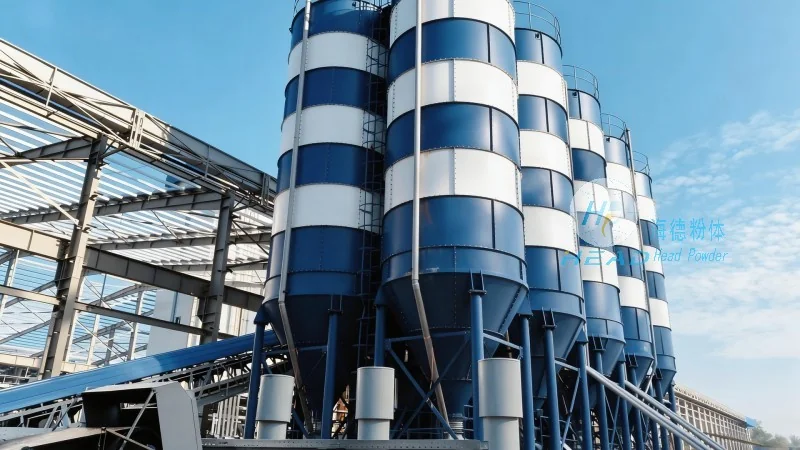
Another significant feature is the ability to adjust the conveying rate and pressure. This flexibility allows operators to optimize the system's performance based on the specific requirements of the application. For example, in a construction site, the conveying rate can be increased to meet high demand during peak production periods. In a mining operation, the pressure can be adjusted to handle abrasive materials without causing excessive wear on the system components.
Energy efficiency is also a notable feature of modern aggregate powder conveying systems. Advanced designs incorporate energy-saving mechanisms, such as variable speed drives and optimized material flow paths, to reduce operational costs. This not only benefits the environment by lowering carbon emissions but also improves the overall economic viability of the system. Furthermore, these systems are equipped with monitoring and control systems that allow for real-time adjustments, ensuring consistent performance and reducing downtime.
Applications and Benefits in Industrial Settings
Aggregate powder conveying systems are widely used in various industrial settings, including construction, mining, and material processing. In construction, these systems are essential for transporting aggregates and cement to building sites, ensuring that materials are delivered efficiently and on time. In mining operations, they are used to transport ore and other minerals from the mine to processing facilities, improving the overall productivity of the operation. In material processing plants, they help in moving raw materials to production lines and finished products to storage areas.

The benefits of using aggregate powder conveying systems extend beyond just efficient material transport. They also contribute to improved safety in industrial environments. By eliminating the need for manual handling of bulk materials, these systems reduce the risk of accidents and injuries. Additionally, they help in maintaining a clean and organized work environment, as materials are transported through enclosed systems, preventing dust and debris from spreading.
Furthermore, the use of aggregate powder conveying systems can lead to cost savings in the long run. By reducing labor costs associated with manual material handling and minimizing material loss, these systems improve the overall profitability of industrial operations. The durability and reliability of modern systems also contribute to lower maintenance costs, as they are designed to withstand harsh operating conditions and require minimal upkeep.
Conclusion
In conclusion, aggregate powder conveying systems are sophisticated pieces of equipment that play a vital role in the efficient and safe transport of bulk materials. Understanding their working principles and key features is crucial for selecting the right system for specific industrial applications. The versatility, efficiency, and safety features of these systems make them indispensable in various industries. As technology continues to advance, we can expect further improvements in the design and functionality of aggregate powder conveying systems, leading to even greater efficiency and cost savings for industrial operations.